

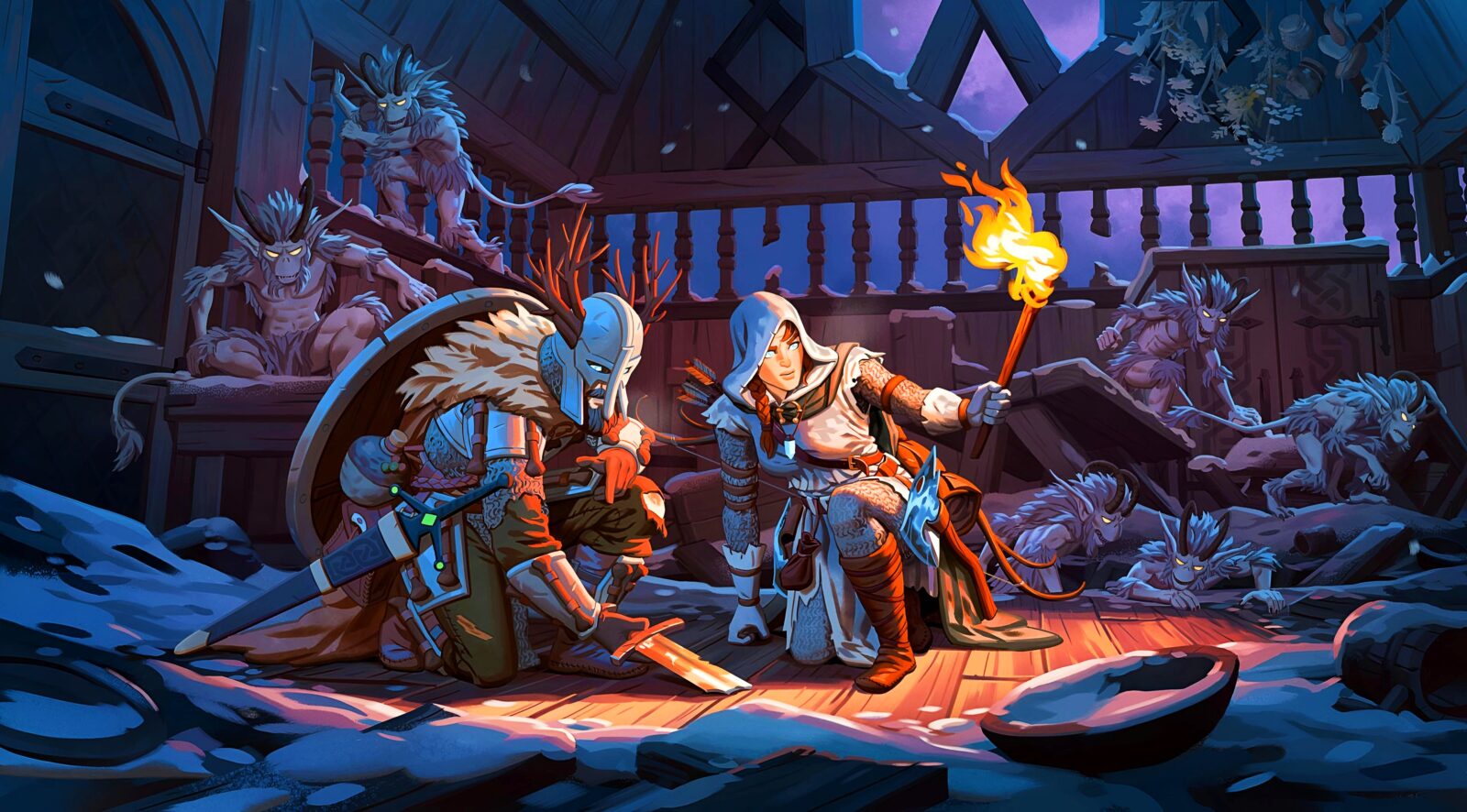
TL;DR: Valheim 1.0 completes an already excellent Viking survival sandbox with the Deep North, new progression, dungeons and more building options. Come for adventure, stay because you’ve somehow spent three hours fixing your roof.
There are games that respect your free time, and then there is Valheim, casually whispering, “You could probably make that roof look better,” at 1:47 in the morning.
After more than five years in Early Access, Iron Gate’s Viking survival game finally reaches version 1.0 on September 9, 2026. That’s a fairly ridiculous development journey for a game many people have already treated like a second home since 2021, but the milestone matters. The previously unfinished Deep North is now a proper biome, the progression has a genuine endgame destination, and there are new enemies, weapons, crafting options, building pieces and dungeons waiting in the snow.
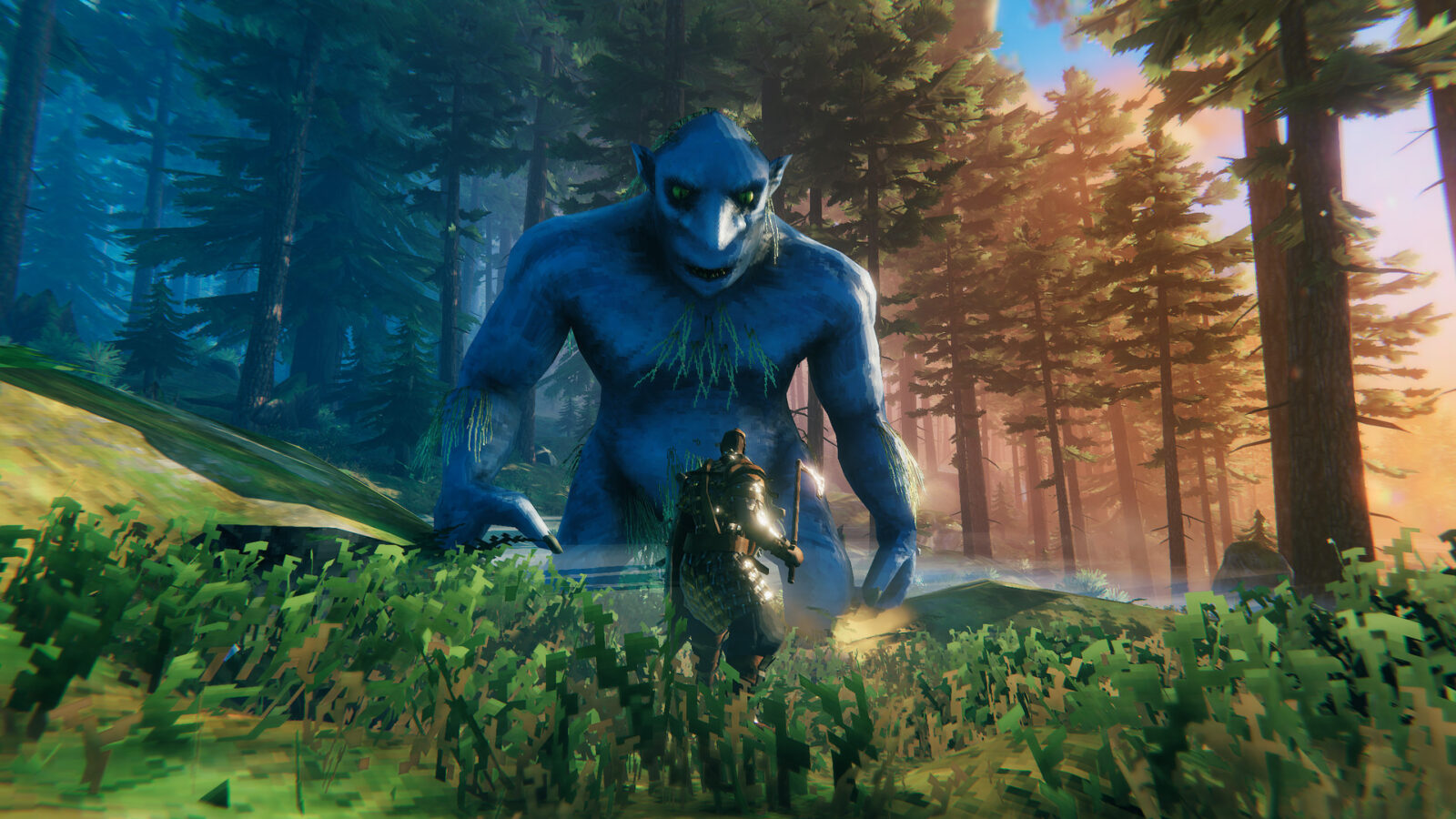
The good news is that Iron Gate hasn’t celebrated 1.0 by grabbing a hammer and smashing apart everything players already liked. Valheim remains Valheim: dangerous expeditions, deliberate preparation, satisfying progression and an alarmingly powerful ability to turn “I’ll just gather some wood” into your entire evening.
Only now there’s more of it.
And yes, somebody finally gave the Vikings a shovel.
The Deep North is where confidence goes to freeze
The Deep North has existed for years as one of Valheim’s great unfinished promises, an appropriately icy question mark sitting at the edge of the adventure. Version 1.0 finally turns it into a fully developed biome, complete with its own enemies, materials, equipment and progression.
That’s important because Valheim has always understood that entering a new biome should feel slightly irresponsible.
You prepare. You craft. You stockpile supplies like a paranoid Viking doomsday prepper. Eventually, you convince yourself you’re ready, step into somewhere horrible and discover that the local wildlife apparently wasn’t consulted about your confidence.
The Deep North continues that progression rather than inventing an entirely different endgame. Bloodgold can be used to craft the new Nord weapon roster through the Frost Foundry, giving high-level players another meaningful equipment target. New crafting possibilities arrive alongside those weapons, but the important part is how naturally they slot into the existing survival loop.
That’s where Valheim remains so effective. Better equipment isn’t merely a number climbing upward because the RPG gods demand tribute. New resources require exploration, exploration requires preparation, and preparation usually sends you back to your settlement to craft, cook, organise and inevitably spend 45 minutes adjusting a wall that nobody else will ever notice.
It’s basically Viking IKEA with monsters.
Two new dungeons give your fancy equipment somewhere to suffer
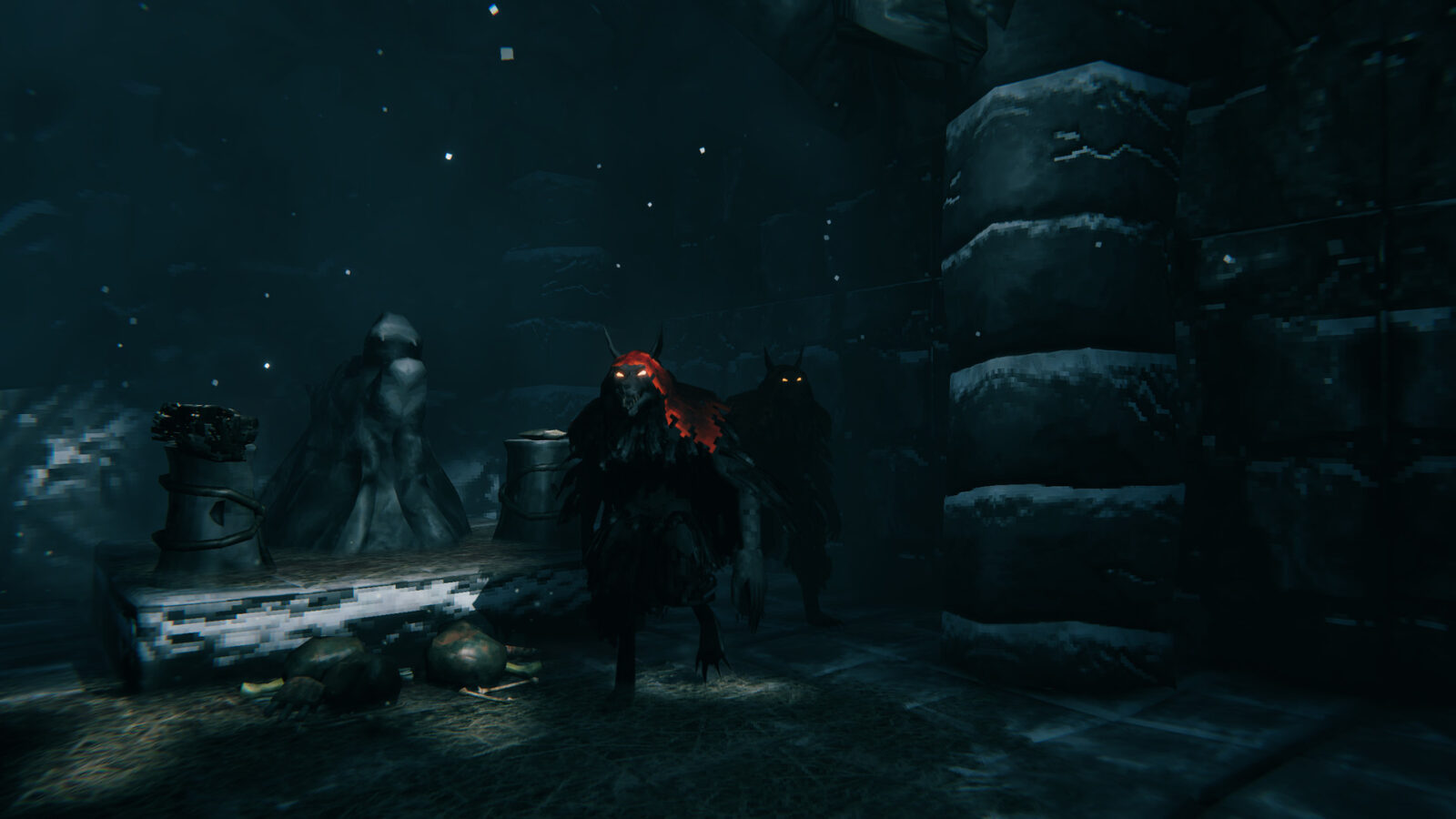
The Deep North also introduces two dungeons: the Winding Tunnels and the Gates of Mörkhalla.
Their inclusion gives the final biome more than another landscape to strip for valuable materials. Valheim’s progression works because improved equipment continually opens the door to more dangerous adventures, so endgame weapons need appropriately unpleasant places in which to swing them.
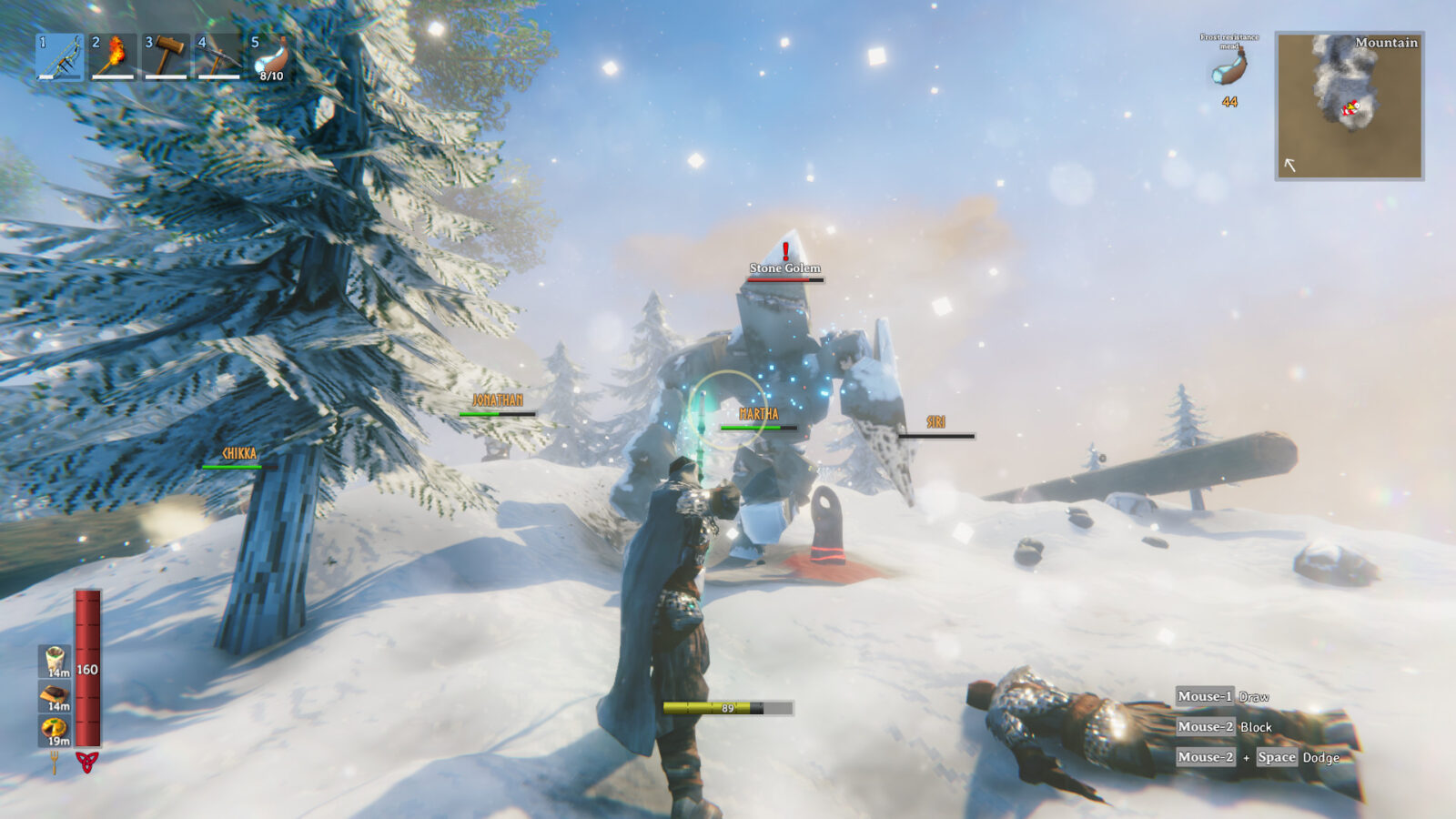
These dungeons provide that extra challenge and reinforce the importance of preparation. That’s one of Valheim’s defining qualities: success often begins long before the fighting starts. The equipment you craft, resources you bring and decisions you make before leaving home can be just as important as what happens once something decides your Viking looks delicious.
It creates a satisfying relationship between domestic tranquillity and absolute chaos. One minute you’re standing beside a crafting station contemplating materials. The next you’re somewhere deeply unfriendly wondering whether you should have prepared more carefully.
The answer, incidentally, is usually yes.
Valheim’s greatest enemy remains my inability to stop building
Combat and exploration may drive progression, but construction is still one of Valheim’s most dangerously absorbing systems.
Version 1.0 gives builders more toys through new Scalewood structures and additional roof angles, particularly useful for creating more traditional Norse-style buildings. There are also new crafting stations, including the Frost Foundry and Ice Maker, further expanding what can be incorporated into increasingly elaborate settlements.
This sounds like a small detail until you remember what Valheim players are like.
Give this community another roof angle and somebody will probably construct Minas Tirith before lunch.
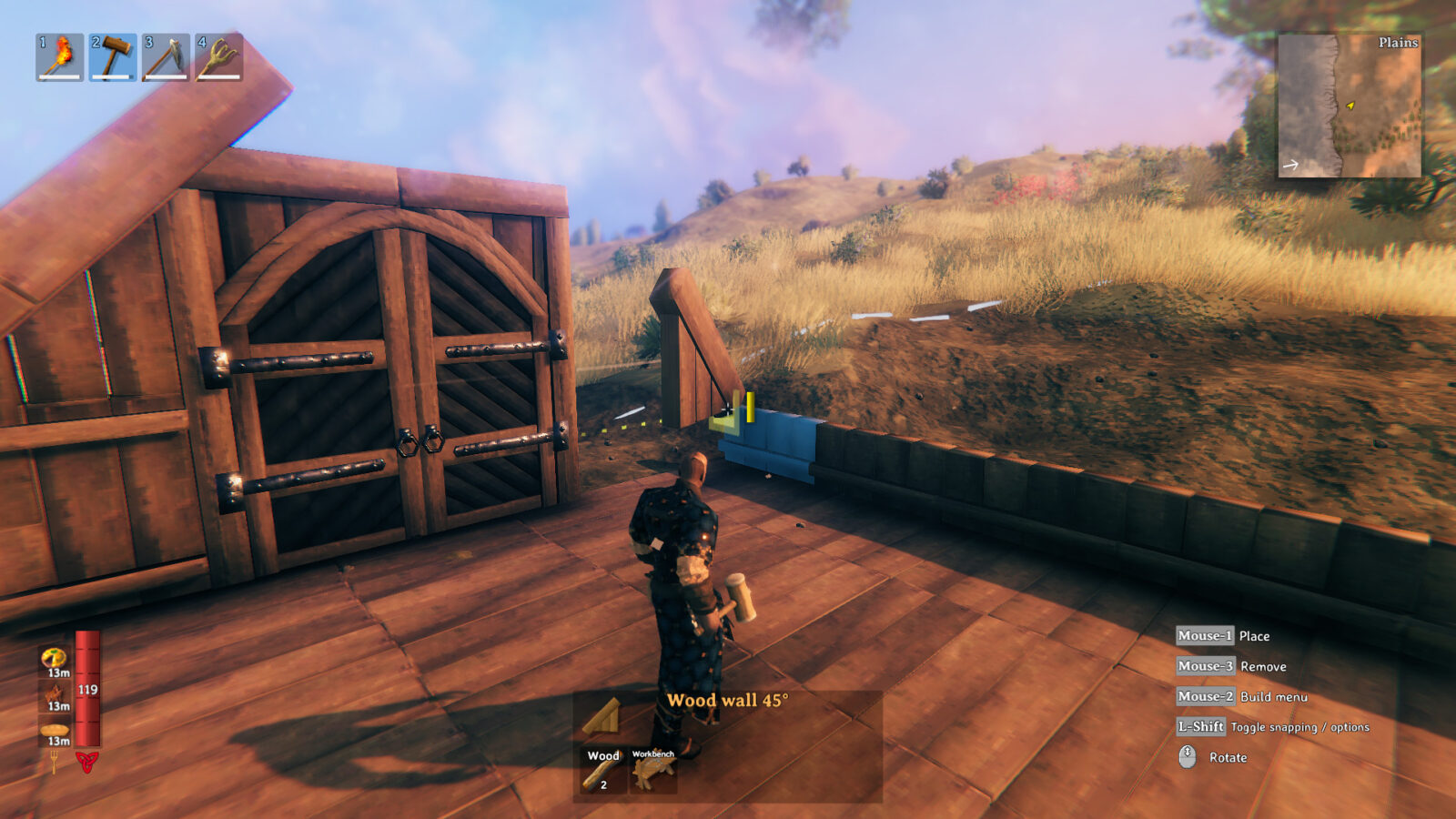
The brilliance of building in Valheim isn’t simply the amount of stuff available. It’s how naturally construction connects to everything else. Exploration produces materials. Materials expand crafting possibilities. Better settlements support further expeditions. Those expeditions provide additional resources, which naturally means the modest hut you promised yourself you’d build now requires an extension, defensive walls and architectural ambitions that would concern a planning committee.
Your settlement becomes a physical history of progression. Early practicality gradually gives way to confidence, experimentation and completely unnecessary extravagance.
That’s why additional construction pieces matter. They aren’t disposable cosmetic rewards. They’re new vocabulary for one of the game’s best forms of player expression.
Congratulations, Viking: you now have to shovel snow
Perhaps the most wonderfully Valheim addition to the Deep North is also one of the least glamorous.
Snow.
More specifically, snow that needs clearing before you can build.
Players can craft a shovel to remove heavy snow and prepare an area for construction. In another game, this could sound like somebody accidentally shipped a Scandinavian municipal-services simulator inside the survival adventure. Here, it makes strange amounts of sense.
Valheim has always been at its best when the environment feels like something you inhabit rather than merely run through. Building a settlement isn’t about clicking a base icon and watching architecture materialise. You interact with the terrain, gather the necessary resources and physically construct your home.
Making Deep North construction require an additional interaction with the frozen environment reinforces that philosophy. The biome isn’t just colder scenery with different monsters sprinkled across it. Even establishing yourself there requires adaptation.
Is snow shovelling the glamorous Viking fantasy we imagined?
Probably not.
But Odin presumably isn’t coming down to clear the driveway.
Valheim understands that survival needs freedom
One of Valheim’s greatest achievements remains how effectively it combines structured progression with player freedom.
There is clearly a journey. New regions introduce escalating dangers, materials and equipment requirements. You can’t simply stroll everywhere wearing optimism and trousers.
Within that structure, however, Valheim gives players plenty of room to decide what matters to them. You can pursue progression aggressively, spend ages constructing settlements or simply explore because the horizon looks interesting. The game provides objectives without constantly grabbing your helmet and pointing you toward the next marker.
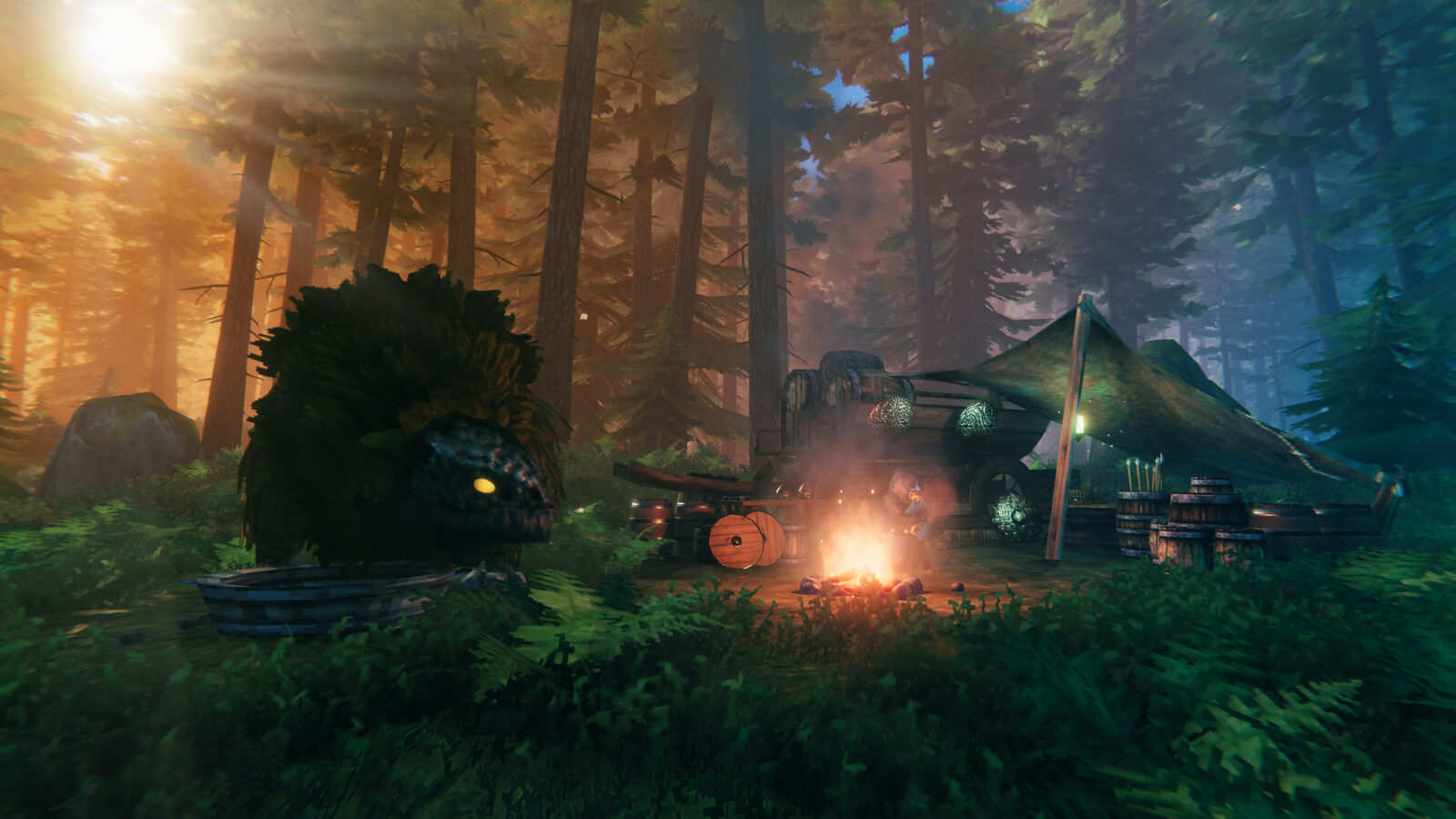
That balance matters enormously in survival games. Too little direction and progression becomes aimless. Too much structure and your sandbox starts feeling suspiciously like a checklist with trees.
Valheim sits comfortably between those extremes.
Version 1.0 wisely avoids disrupting that relationship. The moment-to-moment foundations remain familiar because there wasn’t much reason to tear them apart. Instead, Iron Gate has expanded the possibilities around them.
Sometimes the smartest thing a developer can do with a successful formula is resist the irresistible urge to “modernise” it into something nobody requested.
Returning Vikings haven’t been forgotten
The Deep North may get top billing, but version 1.0 isn’t exclusively concerned with players who have already reached the endgame.
Existing areas also receive additional content, which should make the road toward the final biome more interesting for new characters while giving experienced players reasons to revisit familiar territory.
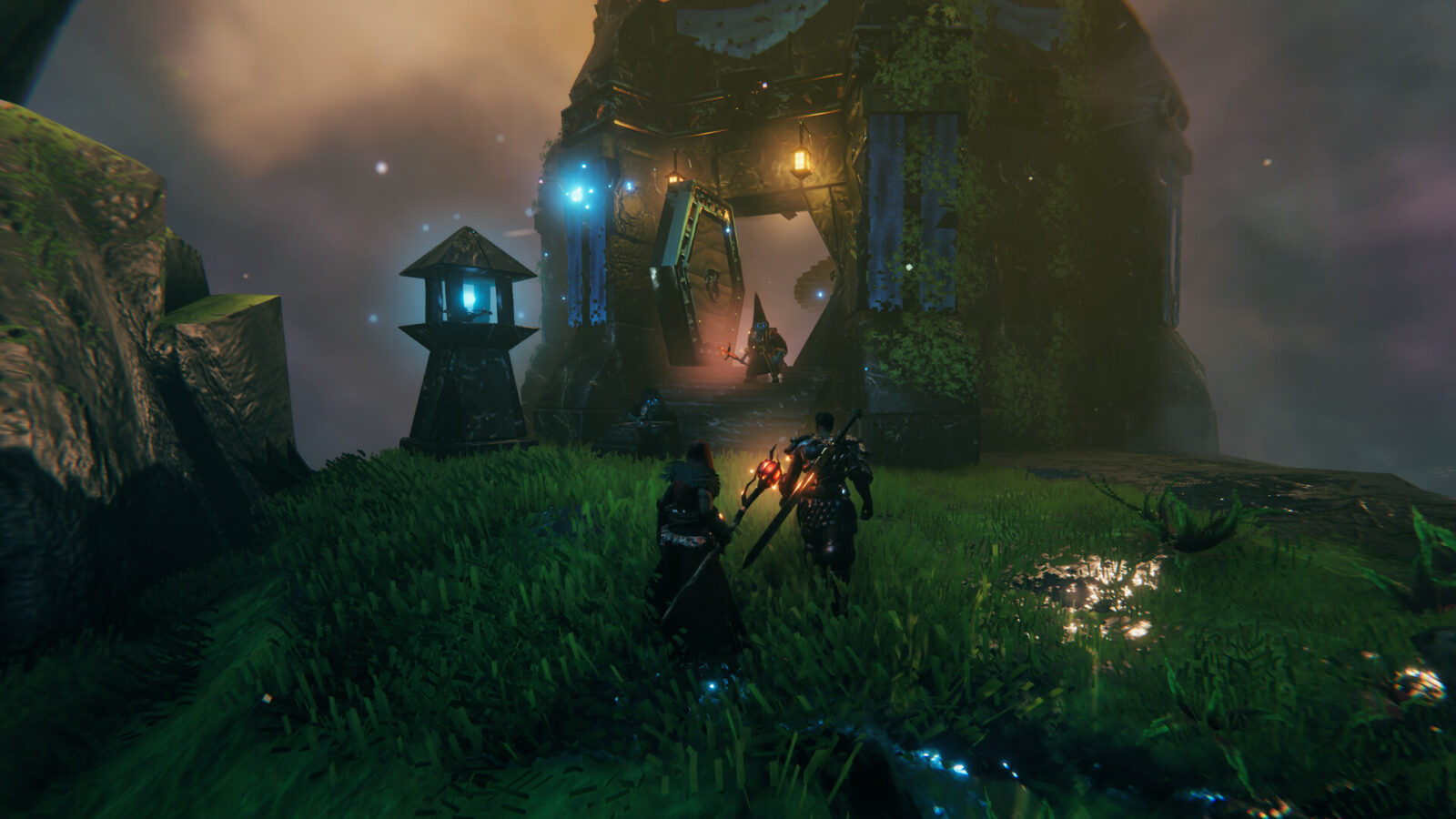
That’s a particularly smart decision after such a lengthy Early Access period. A huge portion of Valheim’s audience already knows its earlier regions extremely well. Simply placing everything new at the far end of progression could have made 1.0 feel like an expansion attached to an otherwise unchanged journey.
Instead, the update gives the broader adventure some attention too.
For newcomers, that’s even better news. They aren’t entering an Early Access relic where five years of updates have been stacked awkwardly on top of one another like a Viking tower built five minutes before the structural-integrity tutorial. They’re getting the accumulated result of years of iteration, with the journey now leading toward an actual completed final region.
That’s a much more compelling reason to start chopping trees in 2026.
Just remember which direction they’re falling.
Valheim still looks like Valheim, and that’s a compliment
Valheim has never needed to melt graphics cards to create beautiful scenery.
Its deliberately stylised presentation combines relatively simple geometry and textures with strong lighting, environmental design and atmosphere. The result has aged remarkably well because the game isn’t competing in the photorealism arms race. It has an identity instead.
Forests can feel inviting from a distance and deeply suspicious once you’re inside them. Settlements glow warmly against hostile landscapes. Weather and lighting transform otherwise familiar environments into places that feel genuinely different depending on the conditions.
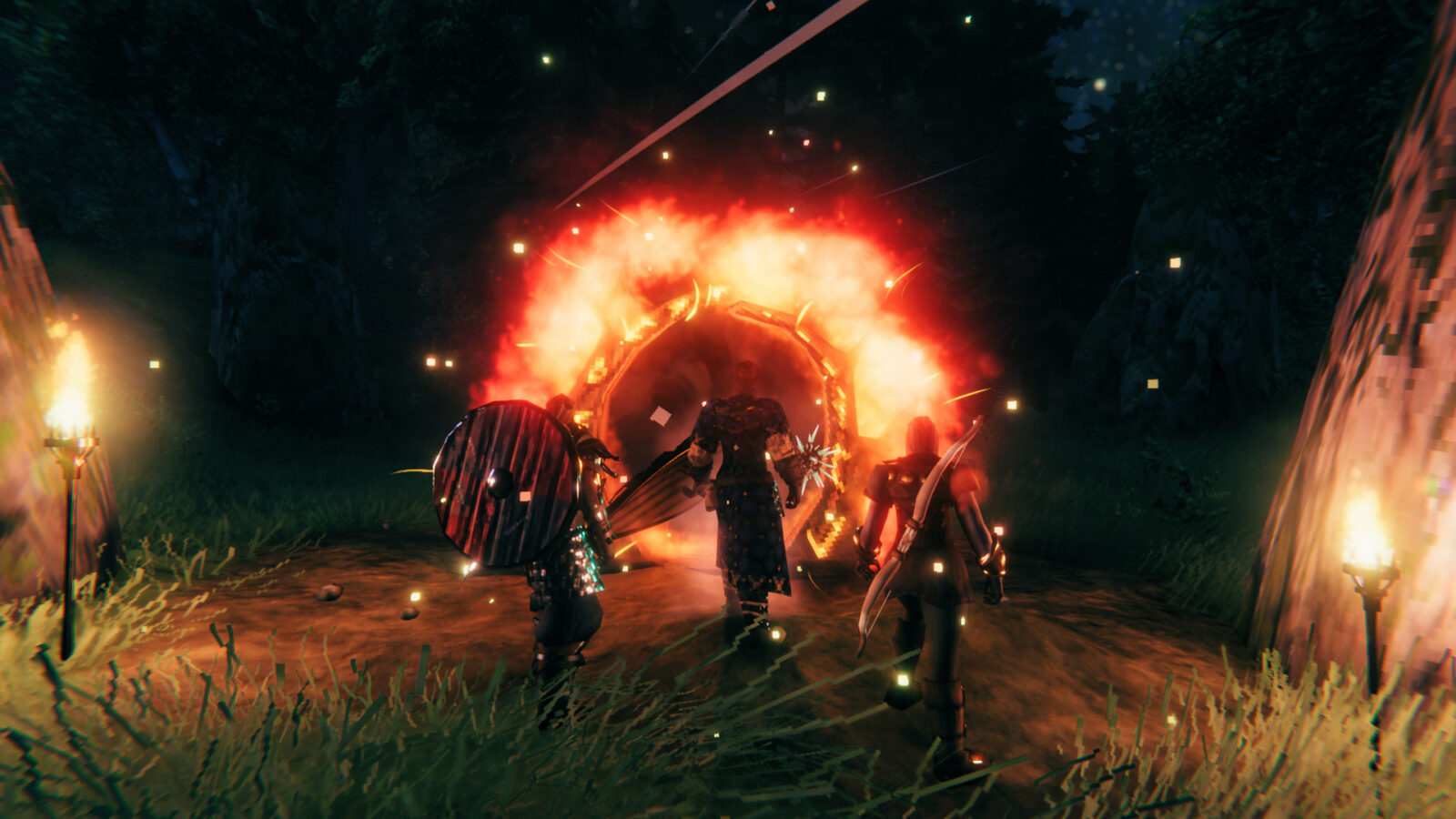
That visual direction complements the mythology-infused survival premise beautifully. The world has an almost storybook roughness to it, as though somebody illustrated a Norse legend and then handed you an axe.
Audio is equally important because it isn’t there purely for cinematic flavour. Environmental and enemy sounds can communicate useful information when visibility becomes difficult or situations turn chaotic. In a survival game, hearing danger before seeing it can be the difference between preparing for trouble and discovering trouble has already introduced itself to your face.
Neither presentation element feels desperate for attention. They simply reinforce the world, and that’s exactly what they should do.
Five years of Early Access somehow didn’t turn Valheim into Frankenstein’s Viking
Long Early Access periods can be dangerous.
A game starts with one identity, spends years accumulating systems requested by different groups of players and eventually emerges looking like three sequels wearing the original game’s coat.
Valheim has largely avoided that problem.
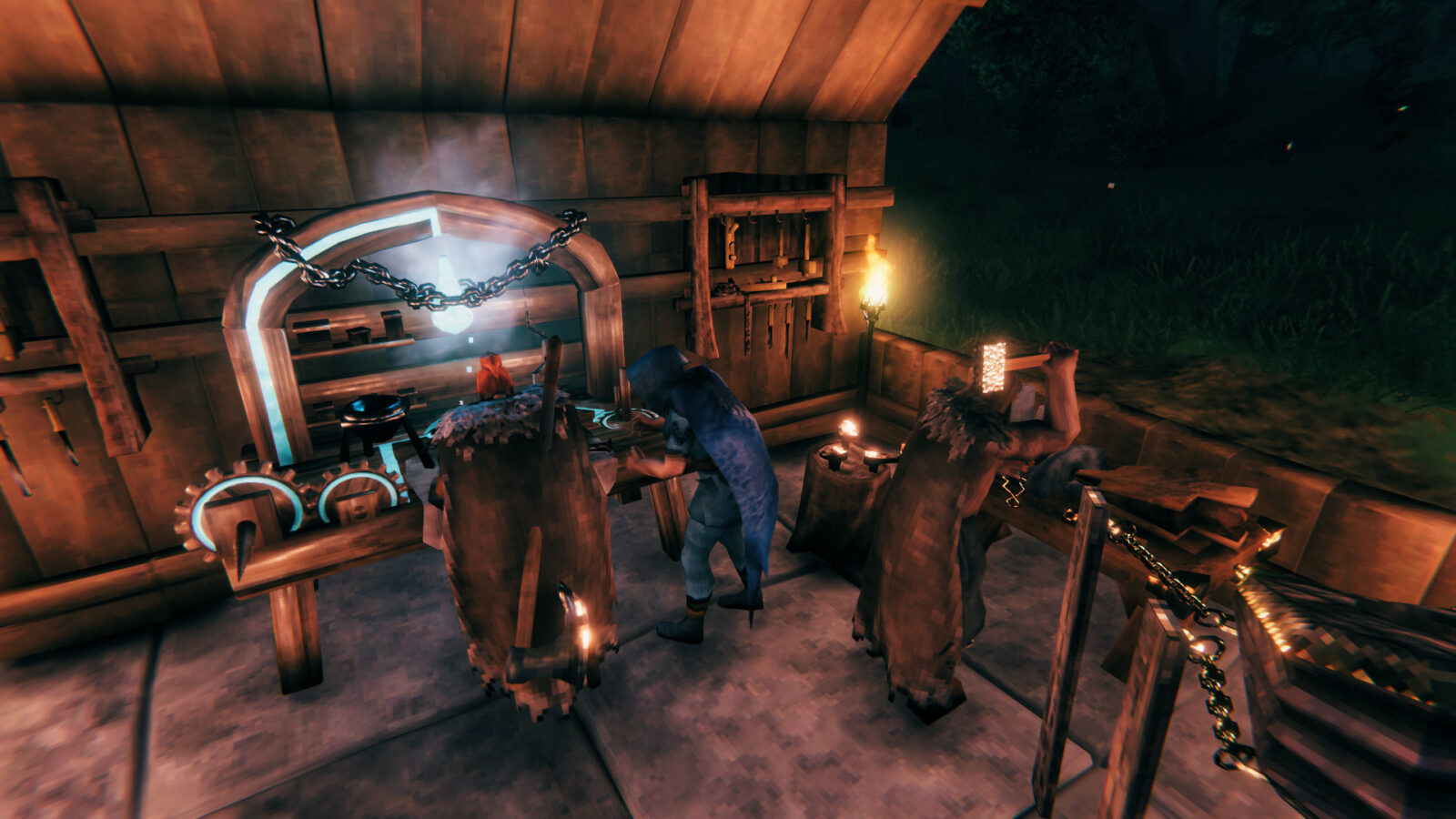
Major additions such as Hearth & Home expanded construction and domestic systems, while Mistlands demonstrated how much a new biome could change the rhythm of exploration and progression. Deep North follows that evolutionary approach. It expands the game without making the previous five years feel obsolete.
That consistency might be version 1.0’s biggest accomplishment.
Iron Gate could have treated the milestone as an opportunity for a giant mechanical shake-up. Instead, it appears to understand that reaching 1.0 is about completing Valheim, not replacing it.
The distinction matters.
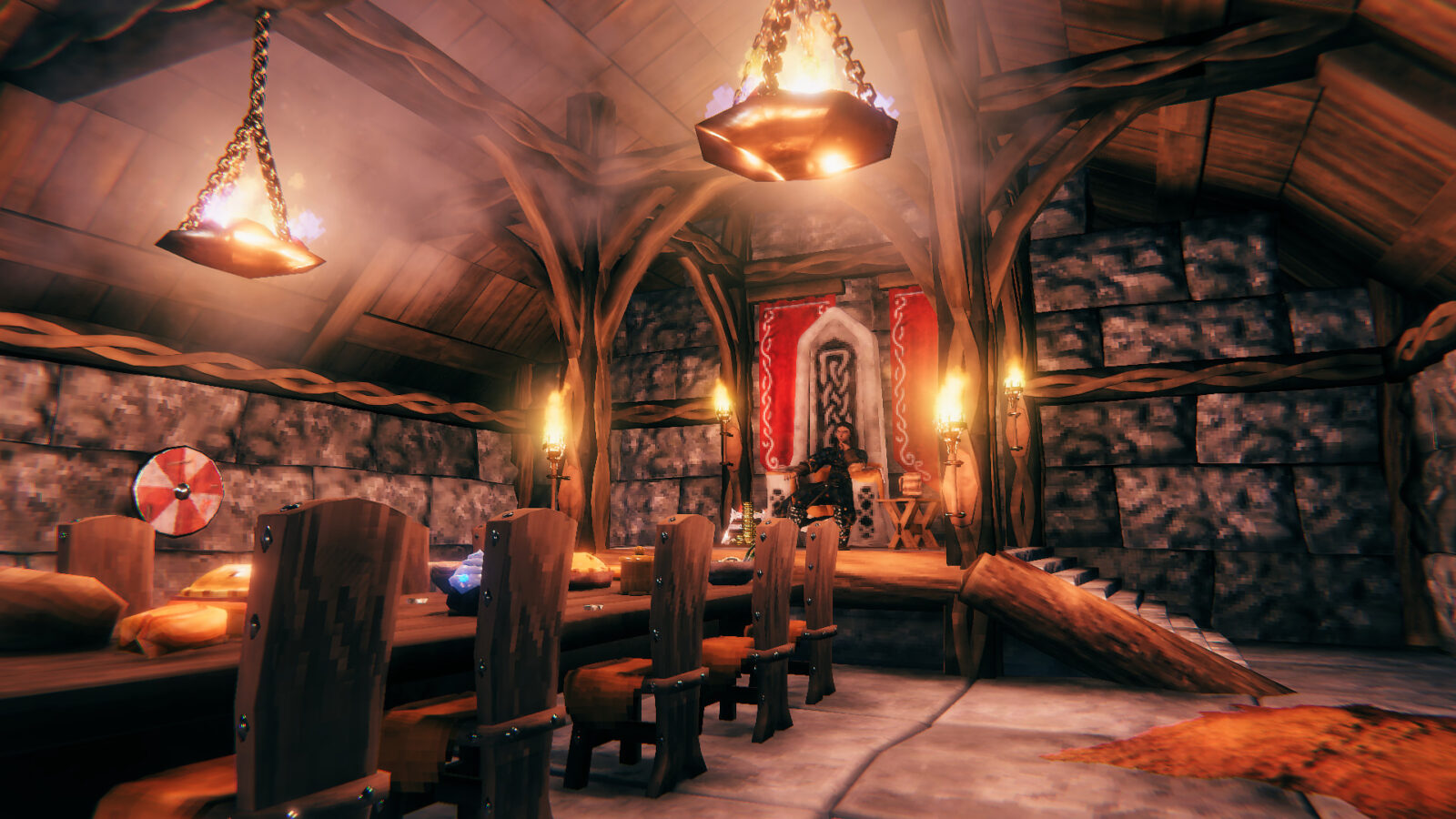
Existing players aren’t being asked to relearn the game they’ve spent years understanding. New players aren’t walking into something whose oldest and newest systems feel like they belong to completely different projects. The experience has expanded enormously since 2021, but the fundamental appeal remains recognisable.
Explore somewhere dangerous. Find useful things. Survive.
Return home.
Build an unnecessarily complicated roof.
Perfect.
Verdict
Valheim 1.0 feels less like a dramatic relaunch and more like the final piece clicking into an enormous Viking LEGO set that’s been sitting on the table since 2021.
The Deep North finally gives the adventure its missing endgame region, backed by new enemies, Bloodgold, Nord weapons, crafting stations, construction options and the Winding Tunnels and Gates of Mörkhalla dungeons. Existing areas haven’t simply been abandoned on the road north either, giving returning players additional reasons to explore and making the complete journey more appealing to newcomers.
Most importantly, Iron Gate hasn’t messed with the secret sauce.
Valheim still works because its systems constantly feed one another. Exploration makes crafting meaningful. Crafting makes preparation satisfying. Preparation enables dangerous adventures. Dangerous adventures produce new materials. New materials return you to building, where you’ll spend far longer than intended trying to make a wooden building look slightly more Viking.
Then somebody asks where all the wood went.
Don’t answer.
The deliberate pace and resource gathering still won’t appeal to everyone, particularly players who want their survival games moving at maximum velocity. But for anyone who enjoys exploration, meaningful progression, creative construction and the peculiar satisfaction of transforming a hostile wilderness into somewhere resembling home, Valheim1.0 represents an impressively complete package.
After more than five years, the Early Access voyage is finally over.
Now excuse me. Apparently there’s snow to shovel.