

Xiaomi is preparing to launch the Xiaomi 18 Fold in China on September 7, and the timing gives the company an unusually convenient head start. Apple is expected to hold its next major event two days later, where reports suggest its long-rumoured first foldable iPhone could finally make an appearance.
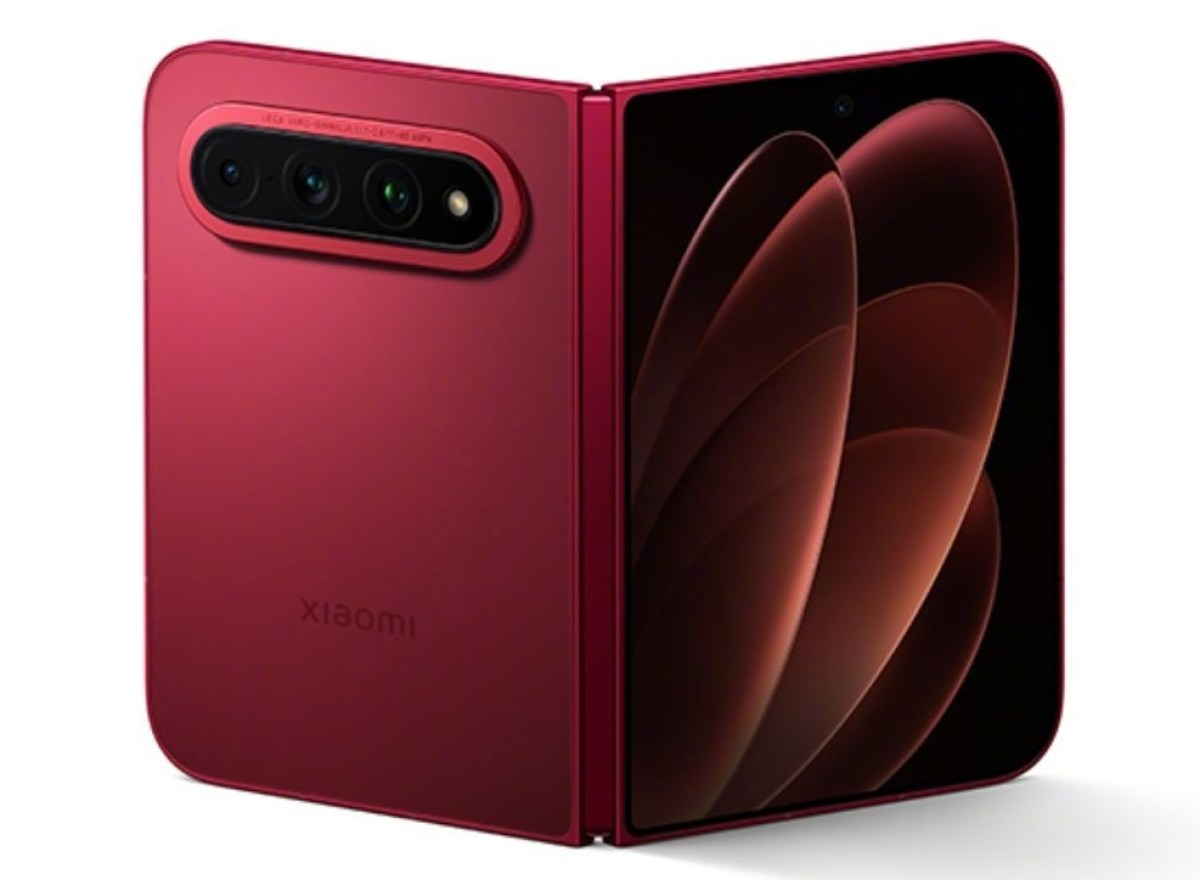
The Xiaomi 18 Fold represents a noticeable change from the proportions associated with earlier Mix Fold devices. Xiaomi is adopting what it calls a “mid-fold” format, combining a 5.38-inch external display with a 7.58-inch folding screen. The result is a shorter and wider device rather than the tall, narrow shape traditionally associated with book-style foldables.
That change could be more important than another round of specification upgrades. Wider cover screens make foldables behave more like conventional smartphones when closed, addressing one of the long-standing usability compromises of early folding phones. The larger internal canvas remains available when multitasking or consuming video becomes the priority.
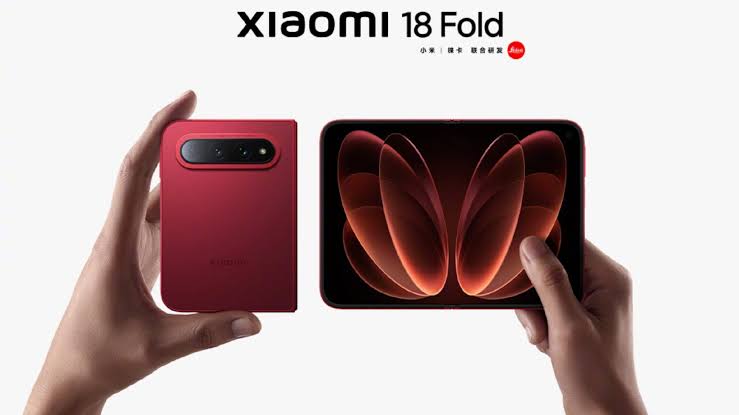
Xiaomi has also confirmed a Leica-branded triple-camera system, although the complete specifications have not yet been officially detailed. Leaker Digital Chat Station claims the setup consists of an f/1.7 main camera, a telephoto camera offering 3.5x optical zoom and a 17mm ultrawide. Those specifications should remain firmly in rumour territory until Xiaomi confirms them.
Perhaps more significant is what sits inside. Xiaomi says the 18 Fold will use its own XRing O3 chipset rather than relying on a Qualcomm or MediaTek processor. The device is also reportedly among the first smartphones using CXMT LPDDR6 memory, while HyperOS 4 and Xiaomi’s MiMo on-device AI model are expected to handle the software side.
An in-house processor makes the 18 Fold particularly interesting because it potentially gives Xiaomi greater control over the relationship between hardware and software. That is a strategy Apple has demonstrated for years, while other Android manufacturers have increasingly explored custom silicon to differentiate their devices. The important questions will be performance, efficiency and sustained thermal behaviour rather than simply having Xiaomi’s name printed on the chip.
Durability remains another question. Xiaomi is promoting a new “dragon bone” hinge and says it has undergone simulation-based testing, but foldable reliability is difficult to judge from laboratory claims alone. Long-term use will tell us considerably more.
Then there is availability. Xiaomi has so far confirmed the 18 Fold only for China, with no official global pricing or international release plans announced. That substantially limits the importance of beating Apple to an announcement if most consumers cannot easily buy one.
Still, the timing illustrates how quickly the foldable market is evolving. Xiaomi is not new to folding phones, but this wider design suggests manufacturers may be converging on a more practical format. If Apple follows with something similar, the next battle in foldables may be less about proving screens can bend and more about deciding what shape these devices should actually take.