
HyperX built much of its gaming headset reputation around a straightforward formula: comfortable designs, solid gaming audio and relatively sensible pricing. The original Cloud Alpha Wireless added something far less conventional to that formula by delivering an extraordinary 300 hours of quoted battery life.
The HyperX Cloud Alpha 2 Wireless takes the range considerably further upmarket. Battery life remains one of its defining features, but HyperX has added simultaneous wireless connectivity, redesigned drivers, broader platform support and an RGB-equipped desktop base station that effectively becomes the control centre for the headset.
At $299 however, the Cloud Alpha 2 Wireless is playing in premium territory. That makes the question less about whether it is a good gaming headset and more about whether its additional hardware and features justify the considerable price.
A Refreshed Design
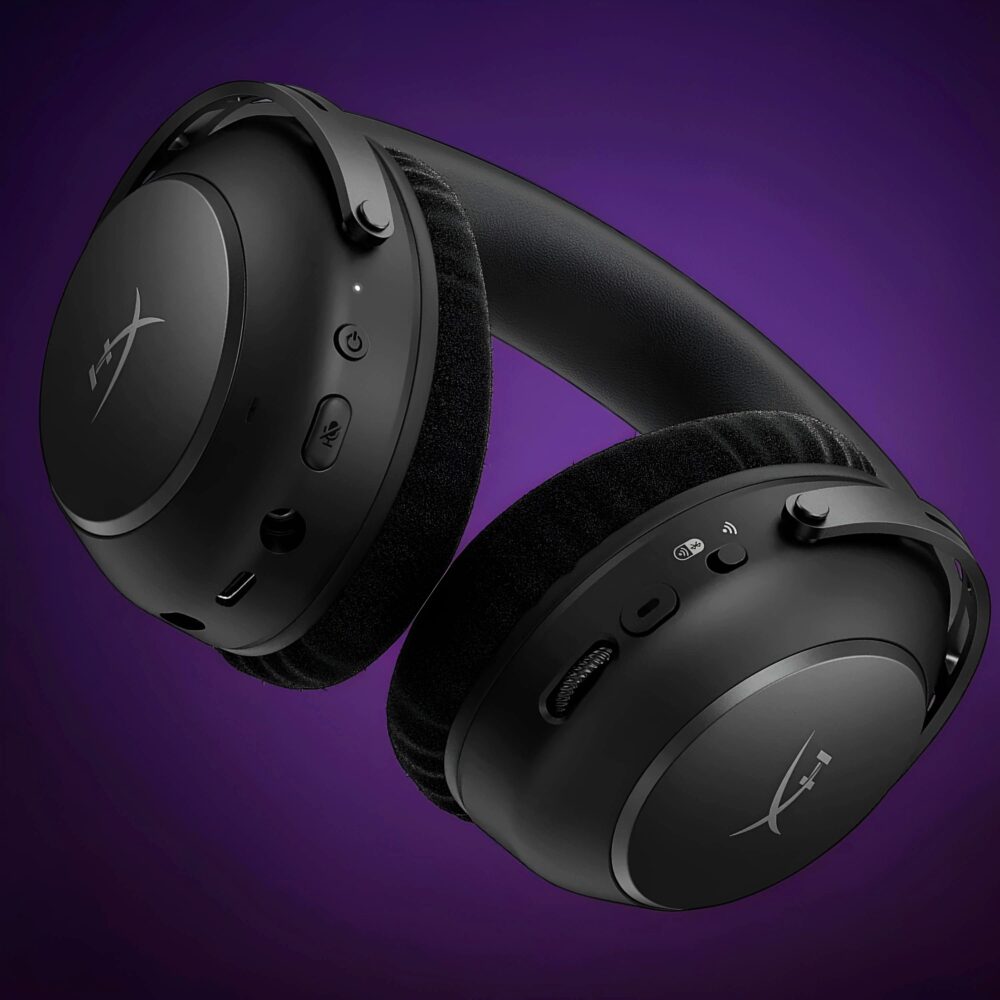
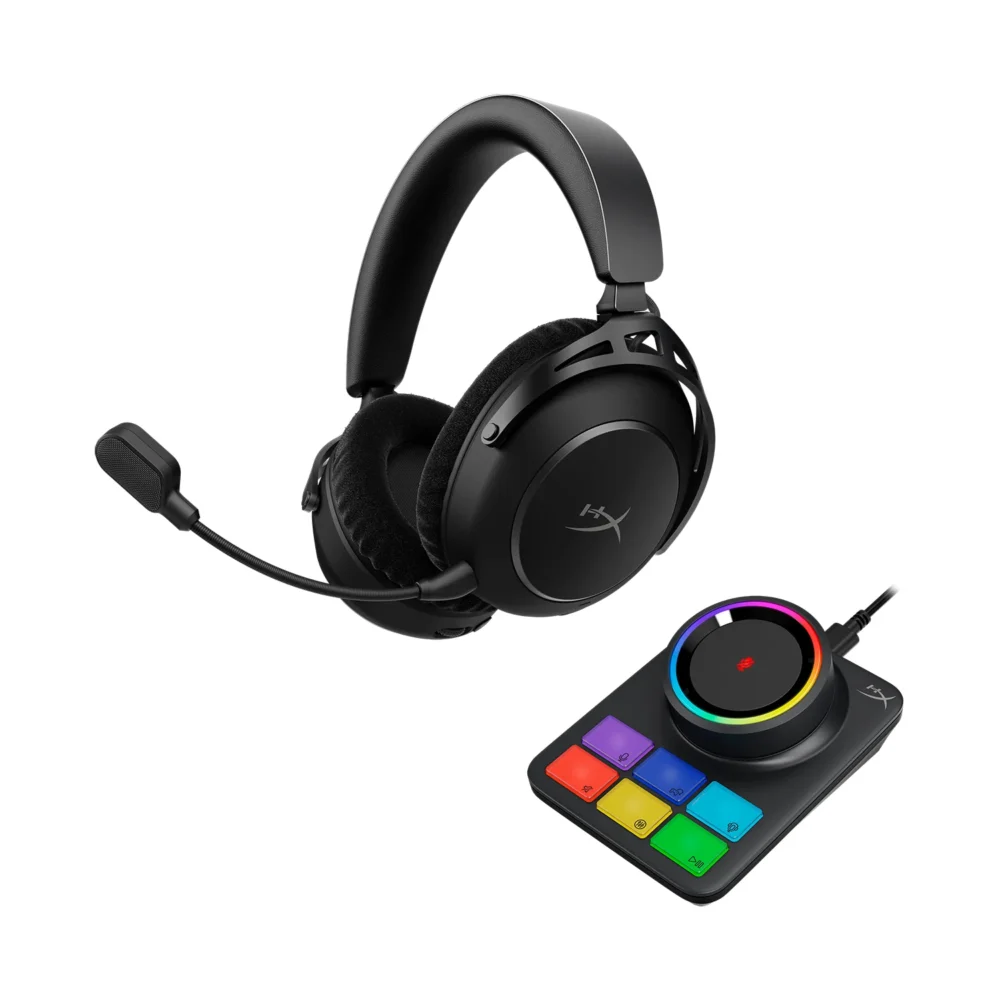
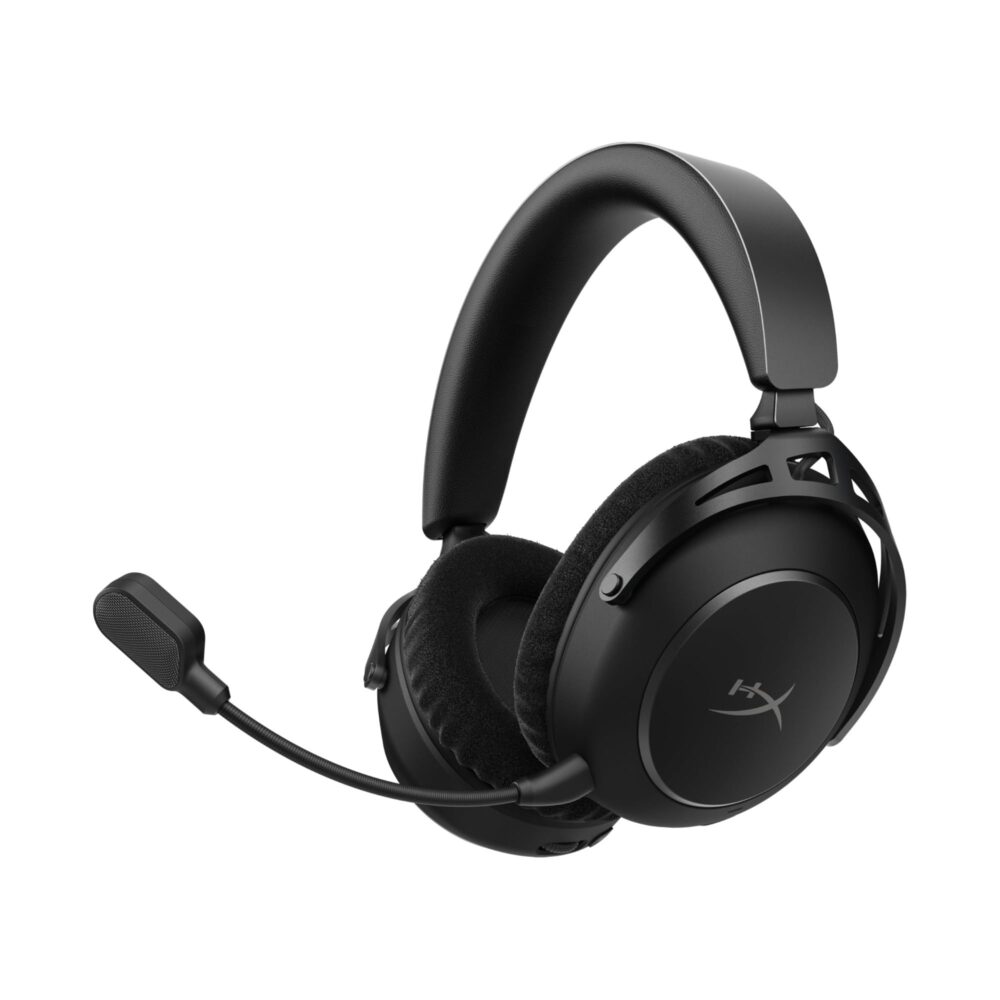
Visually, HyperX has resisted the temptation to completely reinvent the Cloud aesthetic. The Alpha 2 still resembles the company’s familiar gaming headsets, albeit with a more premium finish. The frame combines a stainless-steel headband with aluminium forks, while the earcups use a closed-back, over-ear design. The headset itself weighs approximately 345g, with the detachable boom microphone adding another 12g.
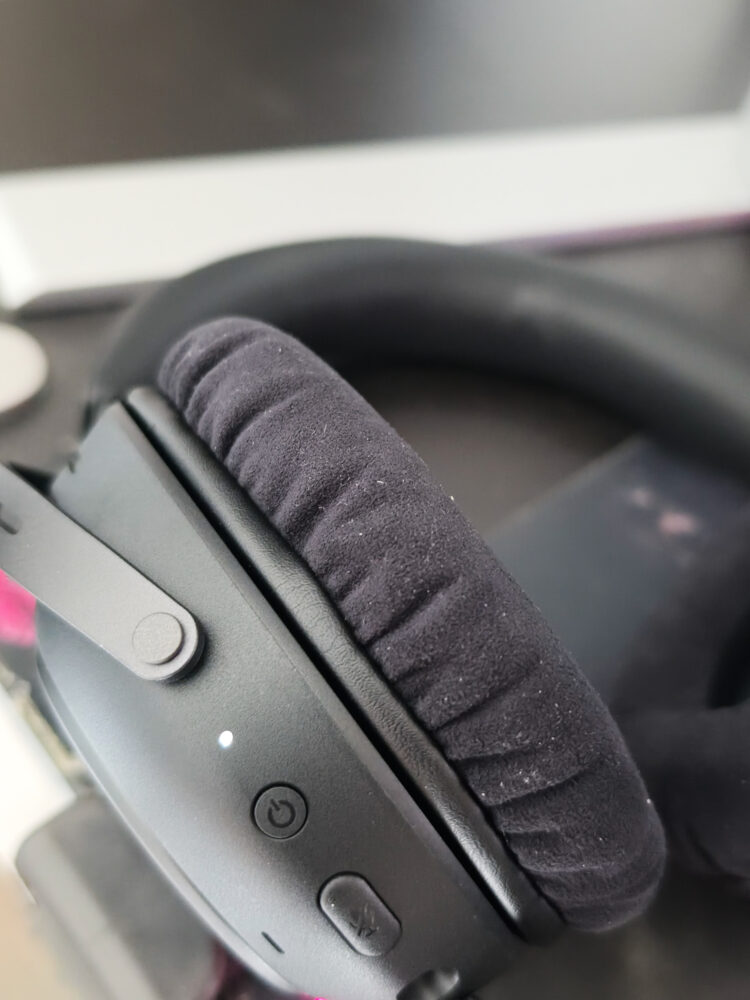
That makes it heavier than some increasingly lightweight gaming headsets, but HyperX has traditionally compensated for weight through good padding and sensible clamping pressure. The Alpha 2 uses microfiber-covered ear cushions rather than relying entirely on leatherette, although extended sessions in warmer environments may still become noticeable.
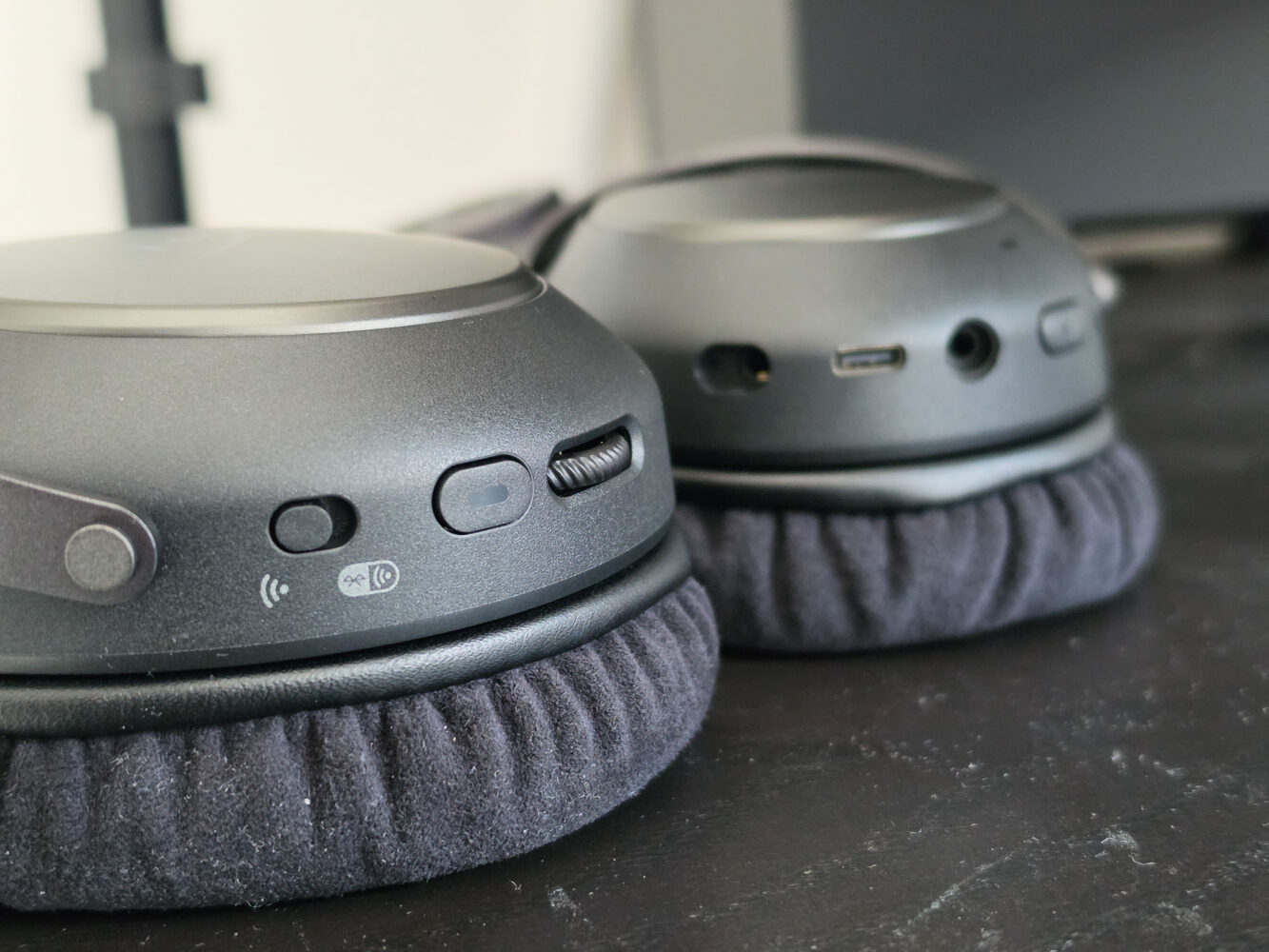
There is also a healthy selection of physical controls. Users can adjust volume, mute the microphone, switch wireless modes and access multifunction controls directly from the headset rather than constantly returning to software.
53mm Dual-Chamber Audio
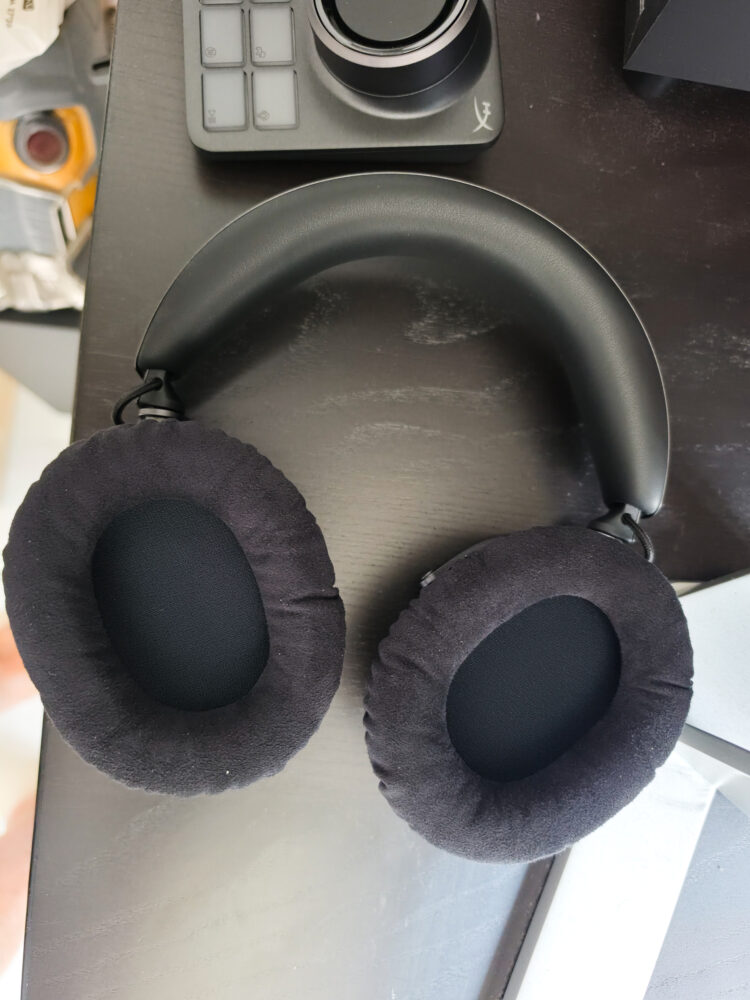
The biggest technical component remains HyperX’s driver system. The Cloud Alpha 2 Wireless uses 53mm angled dynamic drivers featuring a multi-layer, dual-chamber design. The headphones operate across a quoted 20Hz to 20kHz frequency response, with 64-ohm impedance and sensitivity rated at 96dB SPL/mW at 1kHz.
Dual-chamber construction has been part of the Cloud Alpha identity for years. The basic idea is to manage different parts of the frequency range more effectively, reducing some of the muddiness that can occur when bass frequencies start overwhelming the mids. For gaming, that translates into the kind of presentation most players actually need. Explosions and low-frequency effects can retain their impact without completely masking positional information such as footsteps, gunfire and environmental audio. So suffice to say, I found the Alpha 2’s sound clean and controlled, with particularly strong clarity for gaming.
HyperX NGENUITY also provides EQ controls and spatial-audio functionality, giving PC users substantially more room to tune the presentation. The headset supports both 16-bit and 24-bit audio, with sampling rates of up to 96kHz, depending on the operating mode.
The Base Station Changes the Experience
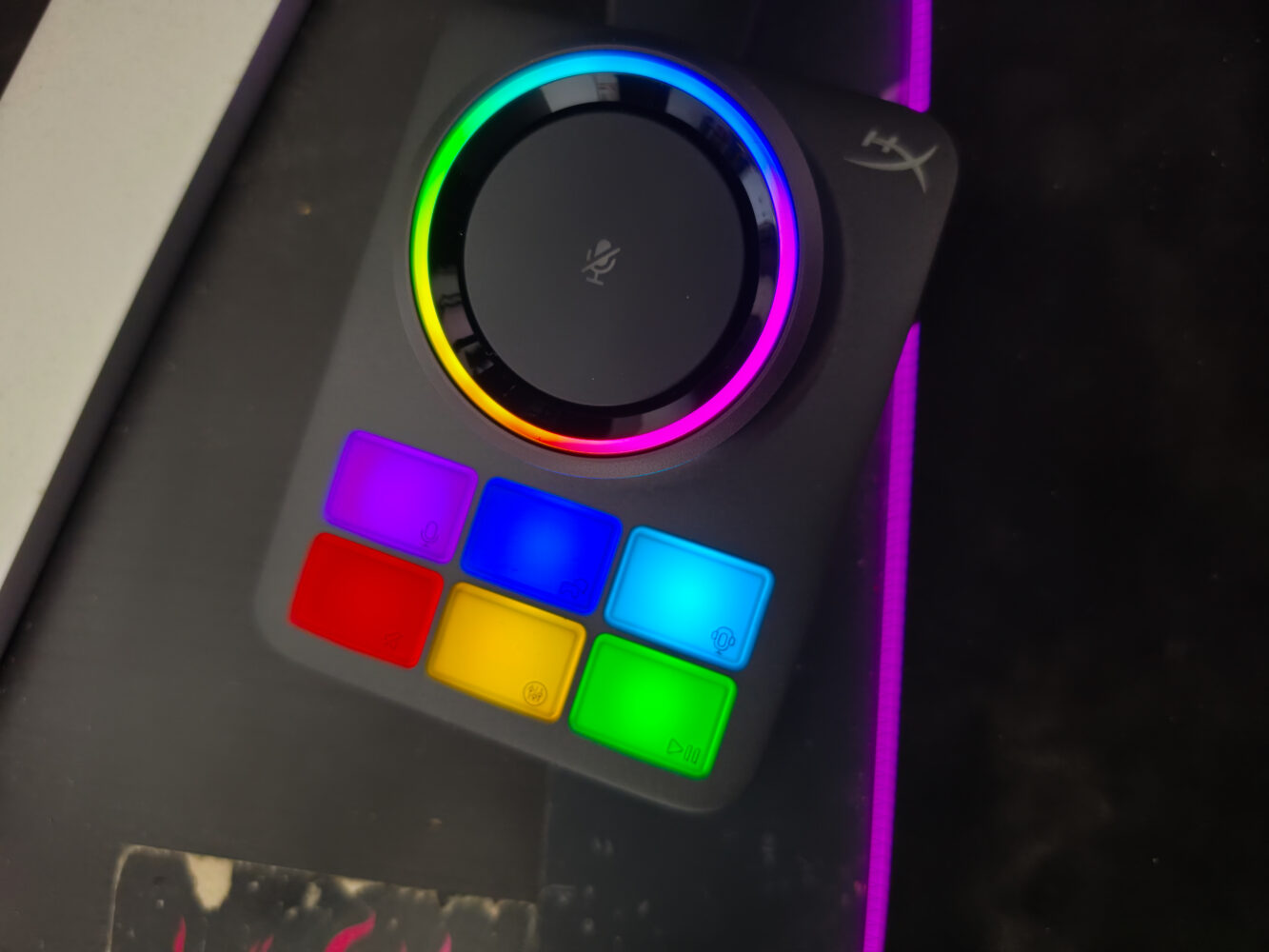
Where the Alpha 2 separates itself from more conventional wireless gaming headsets is its desktop base station.
Rather than relying exclusively on a tiny USB wireless dongle, HyperX provides a 178g RGB base station that serves as the receiver and physical control interface. A large central control dial provides quick access to volume, while six programmable RGB buttons can be configured through HyperX NGENUITY. HyperX describes it as the first reprogrammable RGB base station included with a wireless gaming headset.
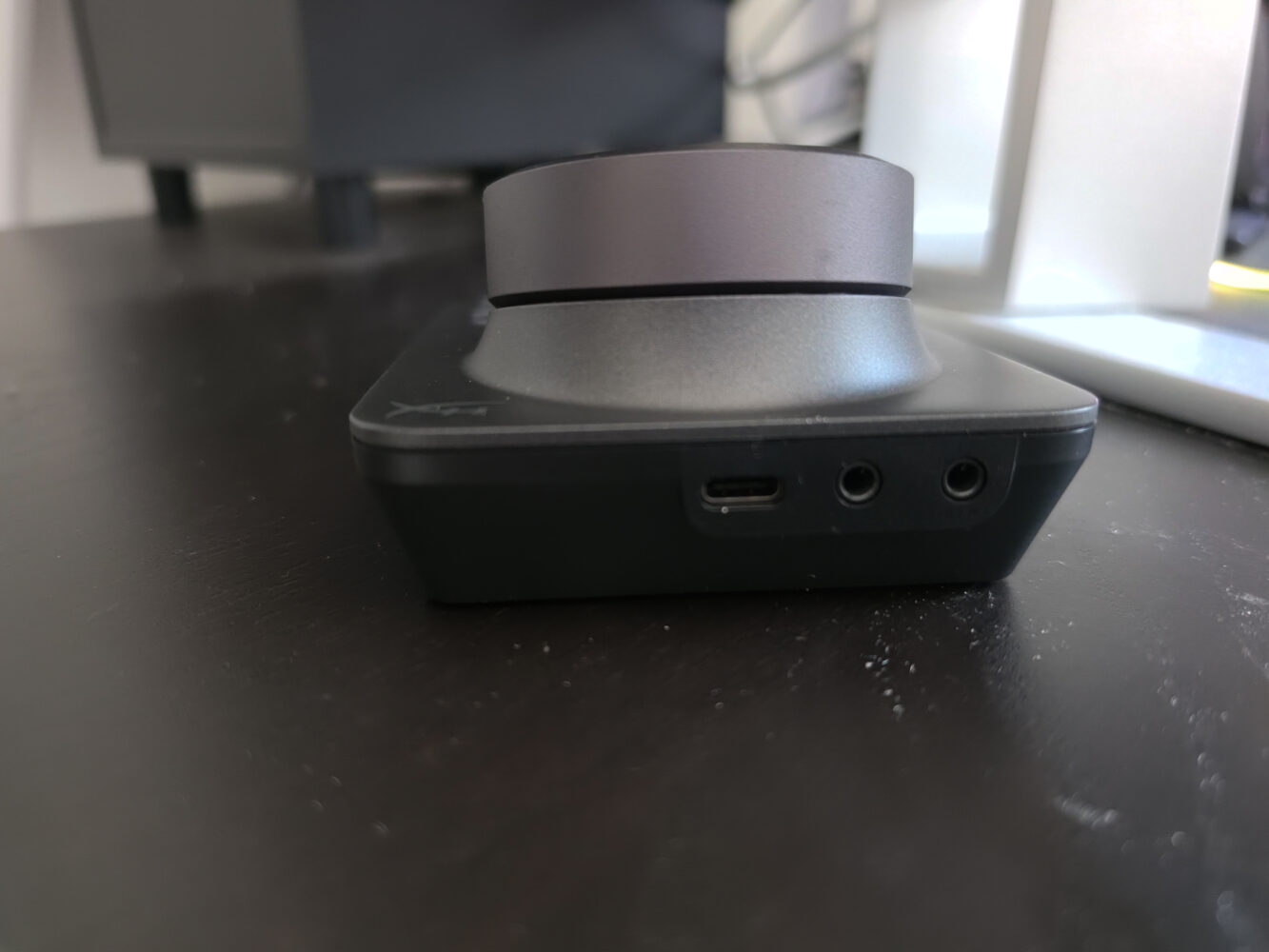
For a desktop gaming setup, this can be genuinely useful. Frequently accessed audio functions can live on dedicated physical buttons rather than being buried inside Windows menus or companion software.
The limitation is equally obvious: players using a laptop, console or minimalist setup may not derive nearly as much value from another device occupying desk space. A significant portion of the Alpha 2’s premium price is tied to hardware that some users may barely use.
Excellent Connectivity
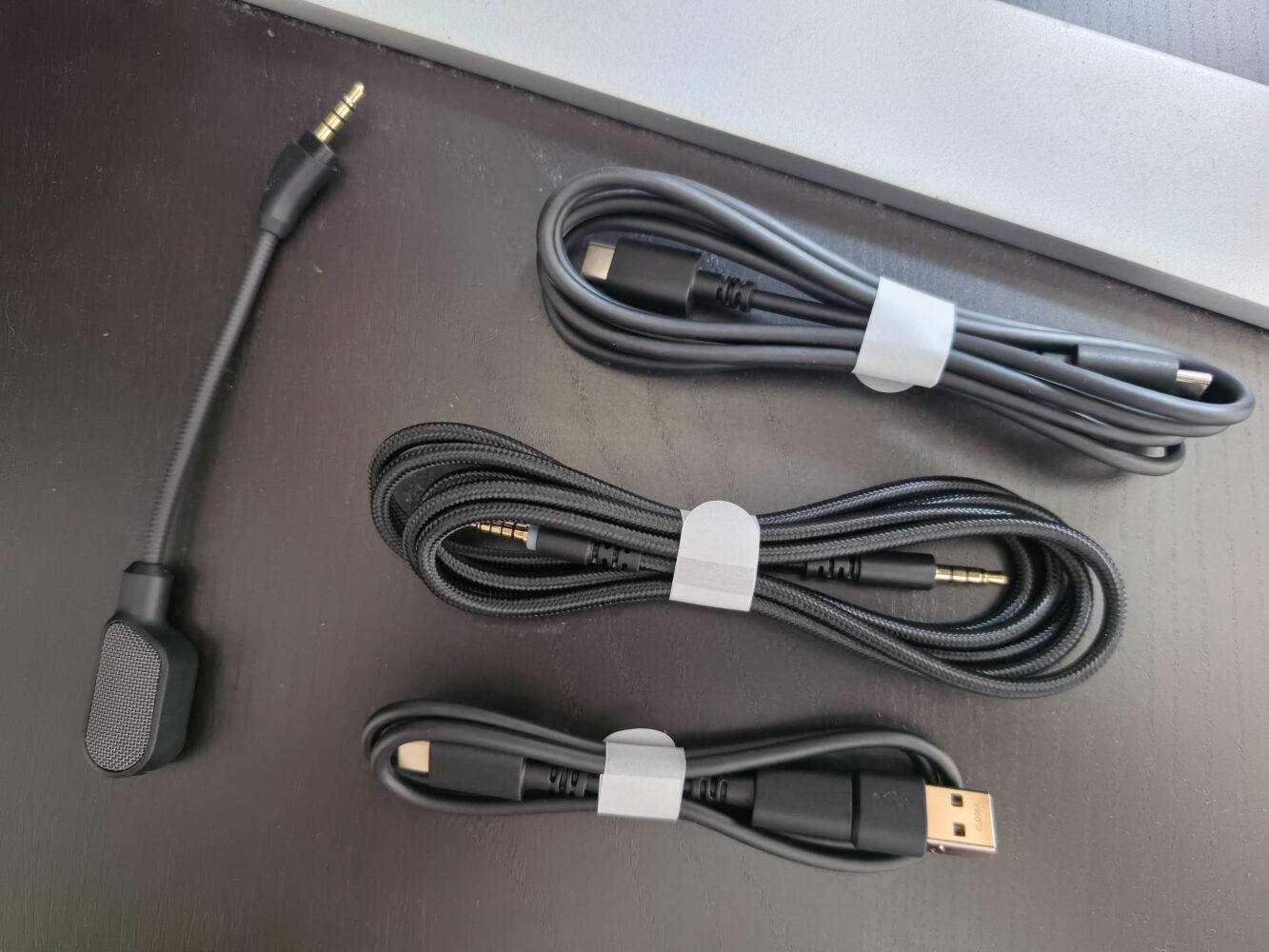
Connectivity is another major upgrade. The Cloud Alpha 2 supports 2.4GHz wireless, Bluetooth and a 3.5mm wired connection, with wireless range quoted at up to 20 metres. More importantly, 2.4GHz and Bluetooth can operate simultaneously.
That means a player can maintain a low-latency wireless connection to a gaming PC or console while remaining connected to a smartphone over Bluetooth for calls, music or other audio. It is one of those features that sounds minor until it becomes part of a daily setup.
Compatibility is broad as well. HyperX lists support for PC, PS5, PS4, Nintendo Switch, Mac and mobile devices, while Xbox can be used through the headset’s 3.5mm connection rather than its USB wireless system.
Battery Life Remains Ridiculous
The original Cloud Alpha Wireless became famous for its 300-hour battery rating. Interestingly, the Alpha 2 technically goes backwards to a quoted 250 hours when operating over its standard 2.4GHz wireless connection. Calling that a downgrade feels slightly absurd considering 250 hours remains exceptional.
Even someone gaming four hours every day could theoretically go around two months between charges under ideal conditions. There is an important caveat. When simultaneously using 2.4GHz wireless and Bluetooth, found battery life drops to approximately 120+ hours. That is a substantial reduction, but 125 hours is still longer than many wireless headsets provide under normal operation.
Charging takes approximately six hours according to HyperX, but given the enormous runtime, charging becomes an occasional maintenance task rather than something users need to think about every few gaming sessions.
Microphone Performance
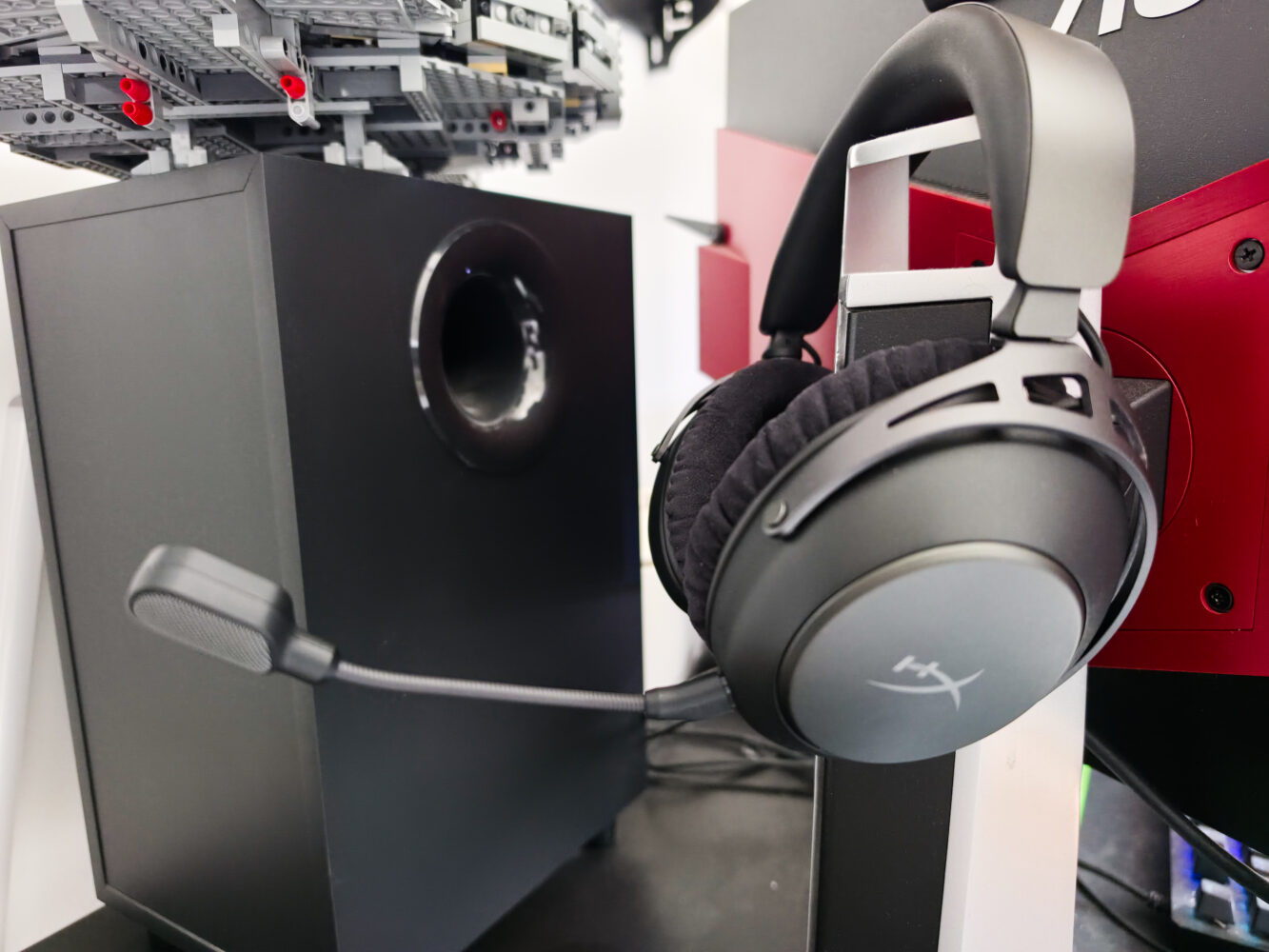
HyperX includes a detachable 10mm boom microphone with an LED mute indicator and integrated mesh filter. The microphone can operate while using either the 2.4GHz or Bluetooth connections, while internal microphones provide the option of using the headset without the boom attached.
Voice quality is perfectly suitable for multiplayer communication, Discord and general calls, although microphone performance is arguably less distinctive than the Alpha 2’s battery and audio capabilities.
Verdict
The HyperX Cloud Alpha 2 Wireless is an ambitious evolution of one of HyperX’s most recognisable headset families.
Its 250-hour battery life remains outstanding, while simultaneous Bluetooth and 2.4GHz connectivity makes the headset significantly more versatile than its predecessor. The redesigned 53mm dual-chamber drivers deliver detailed gaming audio, construction feels suitably premium and the programmable base station offers an unusual degree of physical control over a desktop audio setup.
The Alpha 2 makes the most sense for the enthusiast who specifically wants its combination of extreme battery endurance, simultaneous wireless connectivity and desktop controls. The original Cloud Alpha Wireless made battery anxiety almost irrelevant. The Cloud Alpha 2 takes that foundation and tries to build an entire premium gaming audio ecosystem around it.
It succeeds technically. Whether that ecosystem is worth $300 depends largely on how much use you will get out of the impressive base station sitting beside your monitor.