
The physical keyboard smartphone is making a comeback.
Minimal Company has officially launched the Minimal Phone 2, its second-generation Android smartphone built around a simple idea: give you everything you actually need from a modern phone without designing the entire experience around keeping you glued to the screen.
And compared with the original Minimal Phone, this is a major rethink.
The E-Ink display is gone. In its place is a compact AMOLED screen, substantially faster hardware, 5G connectivity, a redesigned physical QWERTY keyboard, an aluminum body and a new software experience designed around getting things done quickly.
The Minimal Phone 2 is currently being crowdfunded through Kickstarter, where the campaign reached its funding target within minutes of launching.
Here is everything you need to know.
What Is the Minimal Phone 2?
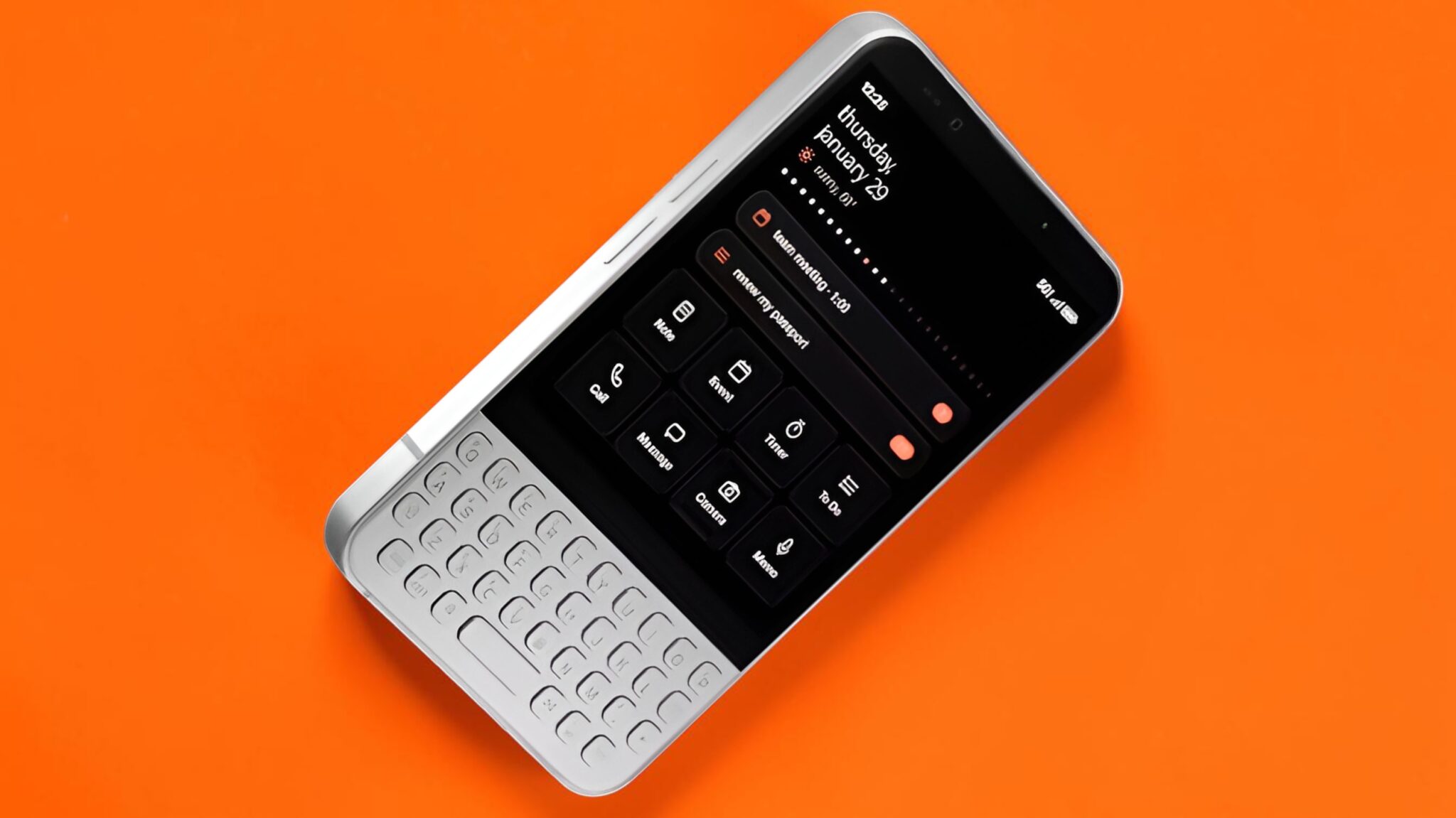
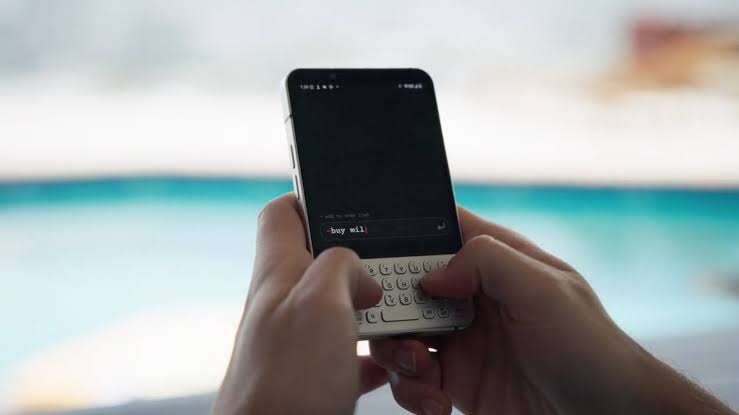
The Minimal Phone 2 is a compact Android smartphone with a physical QWERTY keyboard.
Rather than becoming another stripped-down dumbphone, Minimal is taking a different approach. You still get a proper smartphone capable of running the apps and services you depend on, but the hardware and software are designed to encourage shorter, more intentional interactions.
Minimal describes the philosophy behind the second generation as focus, communication and control. The company says it spent roughly a year developing the device and deliberately waited until it had working hardware before publicly announcing it.
In other words, this isn’t really a dumbphone.
It’s closer to a modern BlackBerry built around digital minimalism.
The Biggest Change: E-Ink Is Gone
The original Minimal Phone’s defining feature was its 4.3-inch monochrome E-Ink display.
That display was fantastic at discouraging scrolling, but it also came with major compromises. Reviews of the first phone criticized ghosting, slow refresh behavior and the general difficulty of using apps designed around conventional smartphone displays.
Minimal has gone in a completely different direction for generation two.
The Minimal Phone 2 uses a:
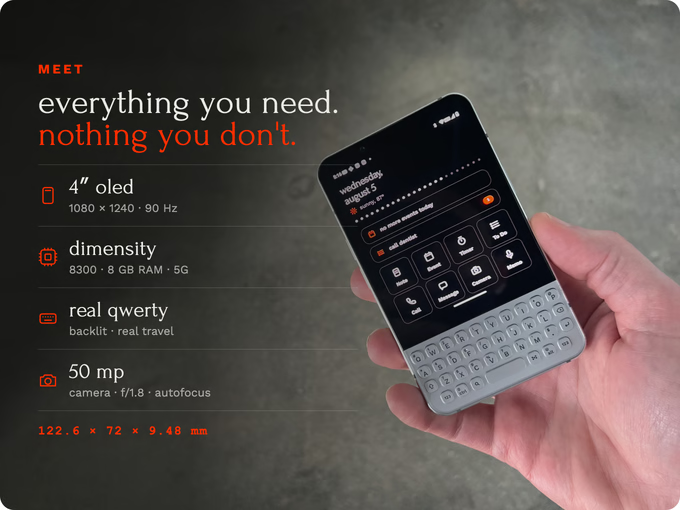
3.92-inch AMOLED display
1080 × 1240 resolution
90Hz refresh rate
That should make the MP2 dramatically more responsive than its predecessor. Apps, maps, photos, animations and everyday Android navigation should behave much more like they do on a conventional smartphone.
The trade-off is obvious.
The original phone’s E-Ink screen created a physical barrier against doomscrolling. AMOLED doesn’t.
Minimal therefore has to accomplish more of its digital-minimalism mission through software design rather than display limitations.
The QWERTY Keyboard Is Still the Star
Thankfully, Minimal hasn’t abandoned the feature that arguably makes the phone most interesting.
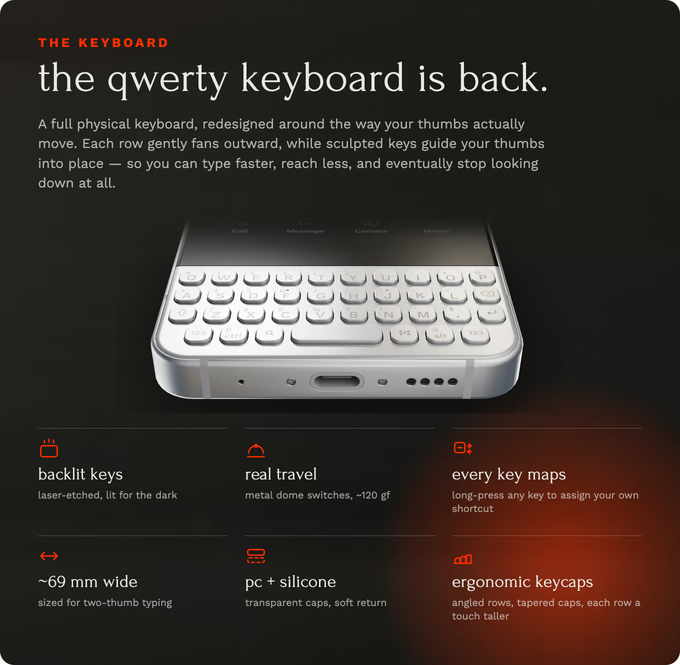
There’s still a full physical QWERTY keyboard beneath the display.
For MP2, however, the keyboard has been substantially redesigned.
It now features backlit keys, customizable shortcuts and remappable controls, while the switches use metal-dome construction to provide tactile feedback.
The idea isn’t simply nostalgia.
Physical keys allow you to open the phone, write a message or email, and put it away without spending the entire interaction tapping around a touchscreen.
That could make the MP2 particularly interesting for people who still miss the productivity-focused experience of classic BlackBerry devices.
Much More Powerful Hardware
Minimal has also given the second-generation phone a substantial performance upgrade.
At its heart is the MediaTek Dimensity 8300, a modern 5G chipset that puts the MP2 in an entirely different performance category from the Helio G99 used by the original Minimal Phone.
Configurations include:
8GB RAM
256GB or 512GB storage
Minimal has also announced a Kickstarter stretch goal under which the 8GB version would be upgraded to 12GB LPDDR5X RAM at no additional cost if the campaign reaches $2 million.
For a minimalist phone, that’s a surprising amount of horsepower.
It also means the MP2 shouldn’t require you to compromise much when you actually need to use demanding Android applications.
Yes, It Has 5G
One of the major limitations of the original Minimal Phone was its reliance on 4G LTE.
That’s been addressed.
The Minimal Phone 2 supports 5G, making it substantially better prepared for use as a long-term primary phone.
International buyers should still pay close attention to the exact cellular bands and regional versions offered through the campaign before backing.
Minimal OS
Hardware is only half of the story.
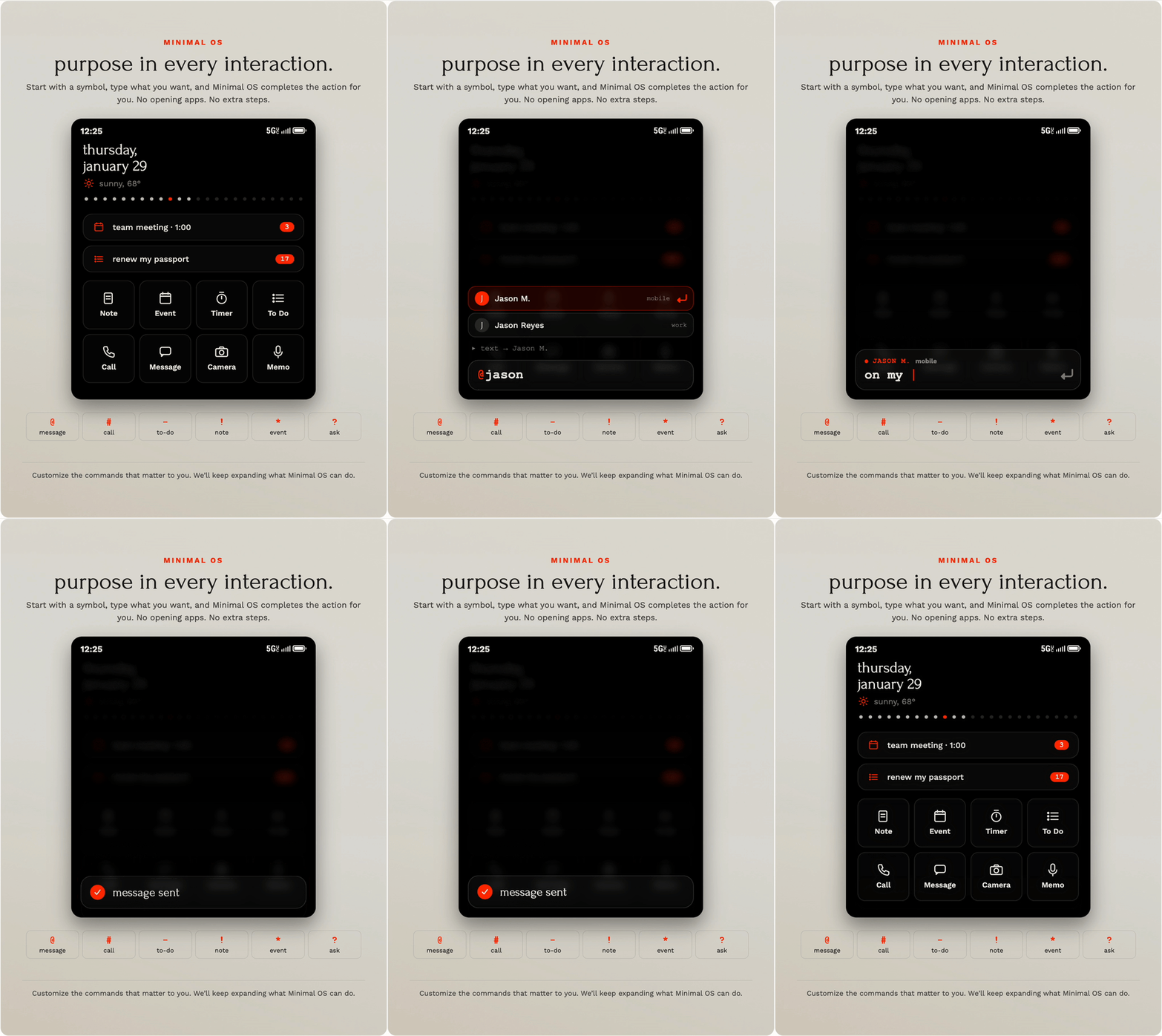
Minimal is developing its own software experience around Android, intended to reduce the amount of time required to accomplish everyday tasks.
Rather than removing smartphone functionality entirely, the goal appears to be making that functionality less attention-hungry.
Minimal has discussed features including its Minimal Hub, customizable keyboard interactions, shortcuts and an intent-based approach to accomplishing tasks. The company says the software has been redesigned to make the second-generation phone faster and more intentional to use.
That’s important because MP2 no longer has E-Ink acting as its built-in anti-distraction mechanism.
The philosophy has effectively changed from:
“Make distracting things unpleasant to use.”
to:
“Make useful things faster to access.”
That may actually make MP2 easier to live with as your only phone.
A Proper Aluminum Body
Another significant improvement is construction.
The original Minimal Phone used a plastic chassis, something users felt undermined its otherwise distinctive concept.
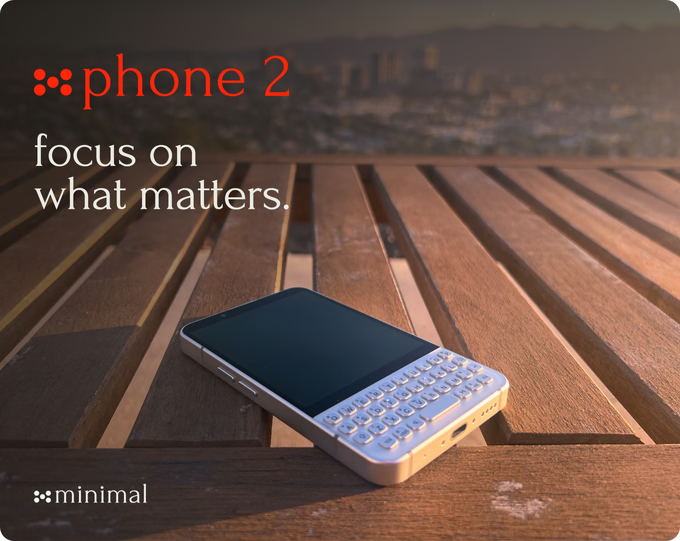
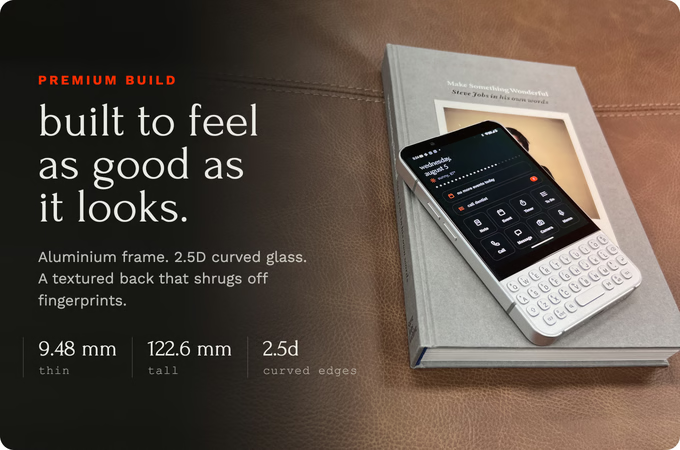
Minimal Phone 2 moves to a machined aluminum body with a more compact, rounded design.
Minimal itself describes MP2 as smaller and more refined than the first generation, with the new body and keyboard forming two of the centerpiece upgrades.
Black and silver finishes have been shown, alongside special campaign variants.
The result looks considerably more like a premium consumer product than an experimental minimalist device.
The Camera Gets an Upgrade
The original Minimal Phone wasn’t exactly a photography powerhouse, carrying a basic 16MP rear camera.
MP2 steps up to a 50MP rear camera.
Don’t expect this to challenge an iPhone Pro, Galaxy Ultra or Pixel flagship purely because of the megapixel count—modern smartphone photography depends heavily on sensors, lenses and computational processing.
But the upgrade is important for another reason.
A minimalist phone only works as a primary phone if users don’t feel compelled to carry another device just to take acceptable photos.
That’s one of the areas where MP2 needs to prove itself once production hardware reaches independent reviewers.
The Battery May Be Its Biggest Question Mark
Despite the more powerful processor and AMOLED screen, the Minimal Phone 2 reportedly uses a 3,000mAh battery.
That’s relatively small by modern Android standards.
The compact chassis obviously limits how large the battery can be, and the Dimensity 8300 is considerably more efficient than older smartphone processors. But battery life remains one of the biggest specifications to watch.
Charging is considerably better:
27W wired charging
15W Qi wireless charging
So even if endurance isn’t exceptional, topping the phone back up shouldn’t take particularly long.
Real-world battery testing will ultimately matter far more than the capacity number.
The Headphone Jack Survives
Here’s something increasingly rare on modern smartphones:
Minimal Phone 2 has a 3.5mm headphone jack.
It also includes USB-C, NFC and wireless charging.
There’s even a physical mute switch, giving you another hardware control instead of burying everything inside software menus.
It’s an unusually practical collection of features for such a compact phone.
No MicroSD This Time
There is one notable regression from the original Minimal Phone.
The first-generation device supported expandable storage.
MP2 apparently does not include a microSD card slot, meaning you’ll need to choose your internal storage capacity accordingly. This has already generated some criticism among early followers of the campaign.
With options reaching 512GB, this won’t matter to everyone, but power users should keep it in mind.
Minimal Phone 2 vs. Original Minimal Phone
The two devices ultimately represent rather different interpretations of digital minimalism.
| Minimal Phone | Minimal Phone 2 | |
|---|---|---|
| Display | 4.3″ E-Ink | 3.92″ AMOLED |
| Refresh | E-Ink refresh modes | 90Hz |
| Processor | Helio G99 | Dimensity 8300 |
| Connectivity | 4G LTE | 5G |
| RAM | 6GB / 8GB | 8GB+ |
| Storage | 128GB / 256GB | 256GB / 512GB |
| Keyboard | Physical QWERTY | Redesigned backlit QWERTY |
| Rear Camera | 16MP | 50MP |
| Battery | 3,000mAh | 3,000mAh |
| Body | Plastic | Aluminum |
| microSD | Yes | No |
| Headphone Jack | Yes | Yes |
| Wireless Charging | Yes | Yes |
The original Minimal Phone intentionally made conventional smartphone activities more difficult.
MP2 appears to be trying something more ambitious:
being a genuinely good smartphone that you simply don’t feel compelled to use constantly.
Kickstarter and Pricing
Minimal Phone 2 launched on Kickstarter in August 2026 and passed its funding target within approximately five minutes, according to Minimal Company.
Early Kickstarter pricing started around $550 for limited Super Early Bird units, although those allocations disappeared extremely quickly. Later campaign tiers are more expensive.
That price has become one of the biggest discussion points around MP2.
Still, buyers should remember an important distinction:
Backing a Kickstarter campaign is not the same thing as buying a finished retail product.
Delivery estimates can change, manufacturing problems can happen and specifications can evolve before mass production.
Who Is Minimal Phone 2 For?
MP2 makes the most sense if you’ve considered switching to a dumbphone but keep running into the same problem:
you still need smartphone apps.
Banking, authentication, messaging, maps, ride-hailing, airline apps, QR codes, payments and work applications have made completely abandoning smartphones increasingly difficult.
Minimal isn’t asking you to abandon those things.
Instead, MP2 attempts to preserve them while changing how you interact with your phone.
It’s particularly compelling for:
BlackBerry fans who still want a real keyboard.
Digital minimalists who can’t realistically abandon Android apps.
Small-phone enthusiasts tired of enormous 6.7-inch smartphones.
Heavy texters and email users who prefer tactile typing.
And people who want their phone to feel more like a tool than an entertainment device.
The Bottom Line
Minimal Phone 2 isn’t really Minimal Phone 1 with better specifications.
It’s a change in philosophy.
The first Minimal Phone tried to solve smartphone addiction by putting a deliberately restrictive E-Ink screen between you and addictive apps.
The Minimal Phone 2 gives you a fast AMOLED display, 5G, substantially more powerful hardware and a premium aluminum chassis—and then attempts to create intentionality through software, physical controls and the keyboard experience instead.
That makes MP2 less extreme.
But it could also make it much more practical.
The big questions now are battery life, camera quality, software polish and whether Minimal can deliver its second-generation hardware smoothly.
If it can, the Minimal Phone 2 could become something surprisingly rare:
a modern smartphone designed to help you spend less time using it.