
TL;DR: The Last House starts with an irresistible sci-fi mystery and a strong cast but struggles with uneven writing, weak character development, and an unsatisfying payoff. Despite impressive production design and flashes of visual atmosphere, it never fulfills the enormous promise of its premise.
The Last House
There’s something immediately compelling about The Last House. A family wakes up to discover they can no longer leave their home. Every exit is sealed by an impossible force, communication with the outside world has vanished, and the rain beyond the windows seems almost alive. It’s the kind of high-concept premise that practically begs for tense psychological horror, thoughtful science fiction, and emotional family drama to collide. On paper, it sounds like the sort of Netflix thriller that dominates weekend conversations.
Unfortunately, the finished film never capitalizes on that promise. Instead of building dread through uncertainty or drawing viewers into its central mystery, The Last House spends much of its runtime stumbling over uneven storytelling and surprisingly shallow character work. By the time the credits roll, the biggest lingering emotion isn’t curiosity about what happened—it’s disappointment over what could have been.
A survival story that never finds its rhythm
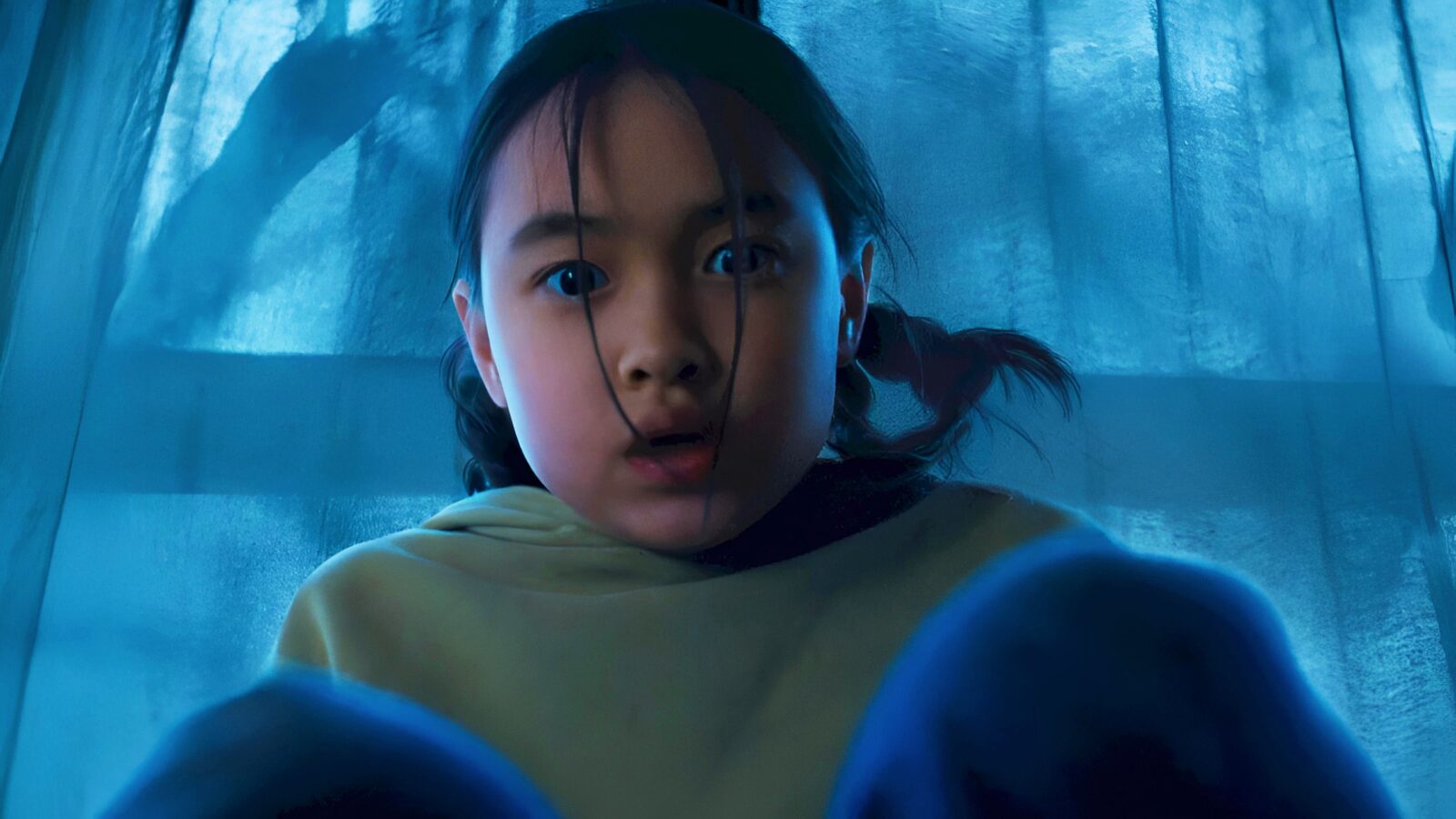
The Delgado family is already carrying emotional baggage before disaster strikes. Jason, played by Wagner Moura, is struggling with unemployment and the pressure of supporting his family, while Ann, portrayed by Greta Lee, tries to keep everyone emotionally grounded despite growing tensions at home. Their children, Graham and Ruth, initially provide the lighter moments, balancing sibling rivalry with genuine affection.
Then everything changes.
Without warning, the family discovers they’re physically unable to leave their house. Doors refuse to open, windows become impenetrable barriers, and an endless rainfall surrounds their property like an invisible prison. Looking across the neighborhood only confirms the nightmare: everyone else appears to be trapped too.
It’s an irresistible setup that naturally raises dozens of fascinating questions. How do people survive? What happens when supplies disappear? What does endless isolation do to relationships? Is the threat outside physical, supernatural, or something far stranger?
The film introduces these ideas confidently but rarely explores them with the depth they deserve. Instead of allowing suspense to slowly build, the narrative rushes through developments that should have carried enormous emotional weight. Major shifts arrive before the audience has fully absorbed the consequences of the previous ones, making the experience feel oddly weightless despite the life-or-death stakes.
Great actors searching for stronger material
One of the film’s biggest surprises is how little chemistry emerges from such a talented cast.
Greta Lee has repeatedly demonstrated an ability to communicate enormous emotional complexity with remarkably subtle performances. Wagner Moura is equally capable of portraying conflicted, layered characters whose internal struggles become just as compelling as the action surrounding them. Here, however, both actors seem trapped by dialogue that rarely sounds like authentic conversation.
Rather than feeling like a believable family under extraordinary pressure, many interactions come across as mechanical or overly explanatory. Characters frequently state emotions instead of naturally revealing them through behavior, robbing important moments of their impact.
That isn’t to say the performances are poor. Lee and Moura remain committed throughout, doing everything possible to ground scenes that often don’t give them enough to work with. Unfortunately, strong performances can only carry a screenplay so far when the emotional foundations beneath them remain underdeveloped.
The younger cast members fare reasonably well, particularly during quieter moments where everyday family dynamics briefly feel genuine before the larger plot once again takes center stage.
Atmosphere succeeds where the screenplay struggles
If there’s one aspect of The Last House that consistently impresses, it’s the physical environment itself.
Because most of the film unfolds inside a single location, the house effectively becomes another member of the cast. As time passes, subtle production design choices transform familiar rooms into increasingly desperate living spaces. Furniture shifts purpose, ordinary household objects become survival tools, and every corner begins reflecting the psychological deterioration of its occupants.
The gradual evolution of the home sells the passage of time better than the screenplay does. You can almost feel months accumulating within those walls as routines replace panic and survival becomes ordinary.
Visually, Louis Leterrier delivers occasional flashes of the stylish filmmaking that has defined much of his career. The rain-soaked exterior creates an unsettling atmosphere whenever characters peer outside, and the mysterious presence lurking beyond the barriers hints at a much larger world viewers desperately want to understand.
Ironically, those glimpses of possibility only emphasize how much stronger the film might have been with a tighter script.
Big ideas, small emotional payoff
Science fiction and horror often thrive on unanswered questions. The unknown can be far more terrifying than any explanation.
The problem isn’t that The Last House maintains mystery—it’s that its eventual answers feel less satisfying than the questions themselves. The narrative gestures toward ambitious concepts involving humanity, perception, and survival, yet rarely develops those themes beyond surface-level observations.
Similarly, the family drama never fully matures alongside the central mystery. Isolation should intensify every existing conflict, forcing difficult conversations and meaningful transformations. Instead, emotional arcs often feel abbreviated, arriving at conclusions that haven’t been sufficiently earned.
The pacing contributes significantly to this problem. Scenes end just as they become interesting, while others linger on moments that don’t deepen either character or suspense. The result is a film that somehow feels both rushed and oddly repetitive.
Even the climactic revelations struggle to generate excitement because the emotional investment simply hasn’t been established beforehand. Instead of delivering the satisfying release that great mystery thrillers provide, the conclusion arrives with more confusion than catharsis.
Final Verdict
The Last House is built around an outstanding premise that horror and science fiction fans will immediately recognize as full of potential. A talented cast, convincing production design, and an effectively claustrophobic setting provide all the ingredients for an unforgettable survival thriller. Sadly, the screenplay never discovers the emotional depth or narrative confidence needed to bring those elements together.
Rather than becoming the next great contained sci-fi mystery, the film settles for offering intriguing ideas without meaningful exploration. Viewers who enjoy speculative fiction may still appreciate its central concept and atmospheric visuals, but anyone hoping for a gripping psychological thriller or emotionally resonant family drama may leave feeling that the most interesting version of The Last House exists only in its premise.