

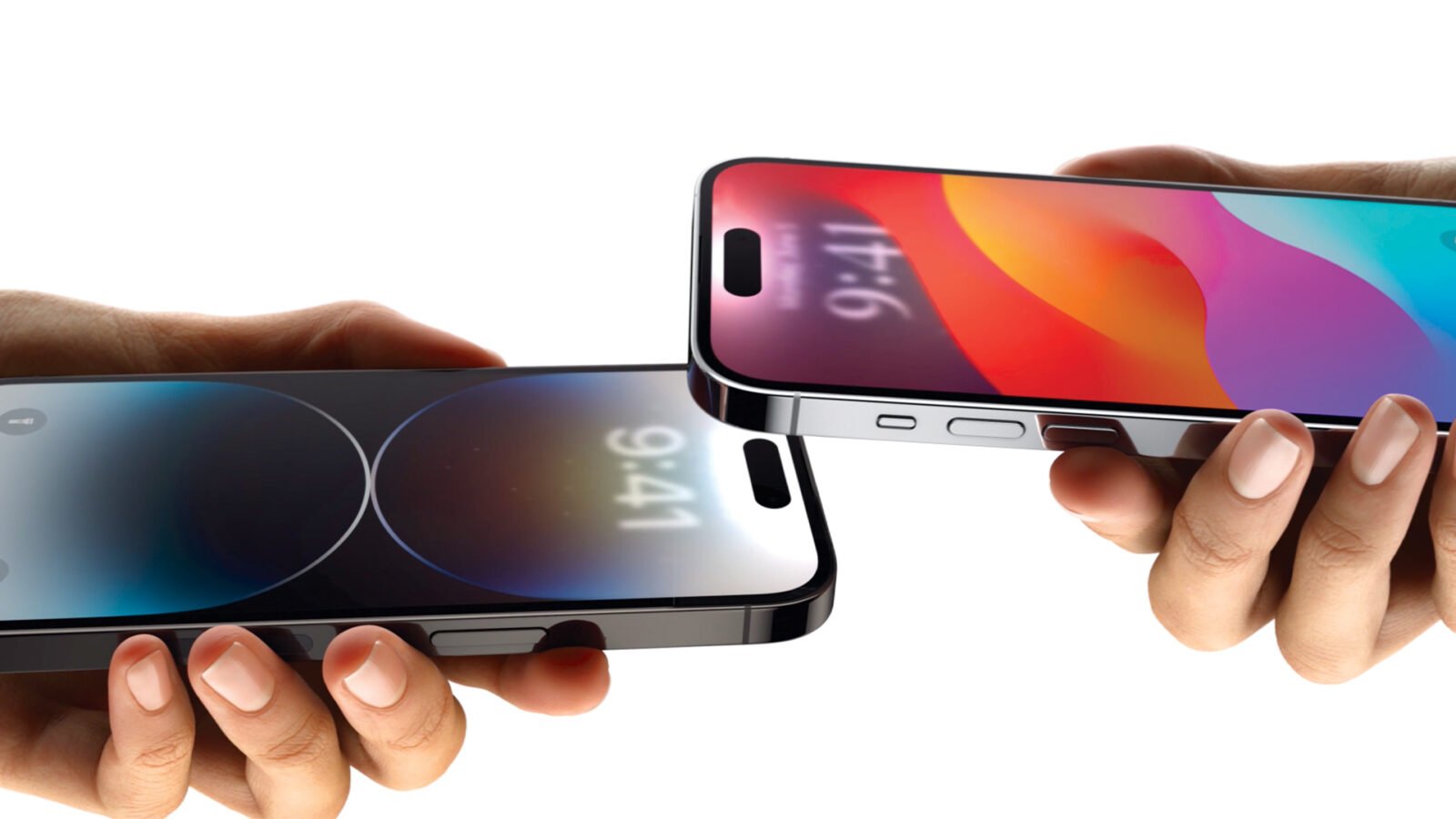
Apple is preparing to bring one of its most convenient ecosystem features to Windows PCs in the European Union, marking another notable consequence of the bloc’s Digital Markets Act (DMA). The company is developing a cross-device clipboard system that would allow users to copy content on an iPhone and paste it directly onto a Windows computer, with support for the reverse workflow as well.
The feature stems from an interoperability request submitted by Microsoft earlier this year under the DMA, legislation that requires designated “gatekeeper” platforms to make key technologies more accessible to competitors. Microsoft argued that Apple’s current restrictions on clipboard access prevent developers from offering seamless copy-and-paste experiences between iPhones and non-Apple devices, limiting interoperability with Windows PCs.
Apple’s response indicates it plans to introduce a solution that enables developers to build compatible clipboard experiences across platforms. According to the company’s implementation roadmap, the feature is expected to reach developers in beta form before a broader rollout targeted for fall 2027. Apple has described the project as a significant engineering undertaking, highlighting the technical complexity involved in securely sharing clipboard data between devices outside its own ecosystem.
Universal Clipboard has long been one of Apple’s strongest ecosystem advantages, allowing users to copy text, images, and other supported content between Macs, iPhones, iPads, and more recently Vision Pro, provided the devices share the same Apple account. Extending similar functionality to Windows represents a notable shift, even if the change is currently limited to European users.
The move reflects the broader impact of the Digital Markets Act, which has increasingly reshaped how major technology companies operate within the European Union. Rather than focusing solely on app stores or search engines, regulators have also targeted connected device experiences, requiring companies such as Apple to make previously exclusive features available to third-party hardware and software developers.
Apple has already begun implementing several interoperability changes in response to these requirements. Recent updates have expanded support for features including notifications, automatic audio switching, and proximity-based pairing across a wider range of third-party smartwatches and wireless earbuds sold in the EU.
While Apple has consistently argued that some DMA requirements could affect user privacy, security, and the pace of feature development, the company has continued publishing compliance roadmaps outlining how it intends to meet regulatory deadlines. The planned Windows clipboard integration appears to be one of the most significant additions still in development.
If delivered as planned, the feature could narrow one of the long-standing convenience gaps between Apple’s tightly integrated ecosystem and Windows PCs. For users who rely on both platforms, it would remove one of the more noticeable friction points when moving text and other clipboard content between devices, illustrating how European regulation continues to influence software features that may eventually shape the broader technology landscape.