
For many households across the UAE, drying clothes has long meant relying on balconies, drying racks, or indoor stands. While the region is known for its intense summer heat, high humidity often slows the drying process, leaving garments damp for longer than expected and increasing the likelihood of musty odors. As smart home technology becomes more common, appliance makers are increasingly positioning AI-powered dryers as a practical alternative rather than a luxury.
Samsung Gulf Electronics is the latest company to highlight this trend, arguing that outdated assumptions about tumble dryers continue to discourage wider adoption. The company says advances in artificial intelligence, sensors, and energy-efficient heat pump technology have significantly changed how modern dryers operate, making them more suitable for everyday use in UAE homes.
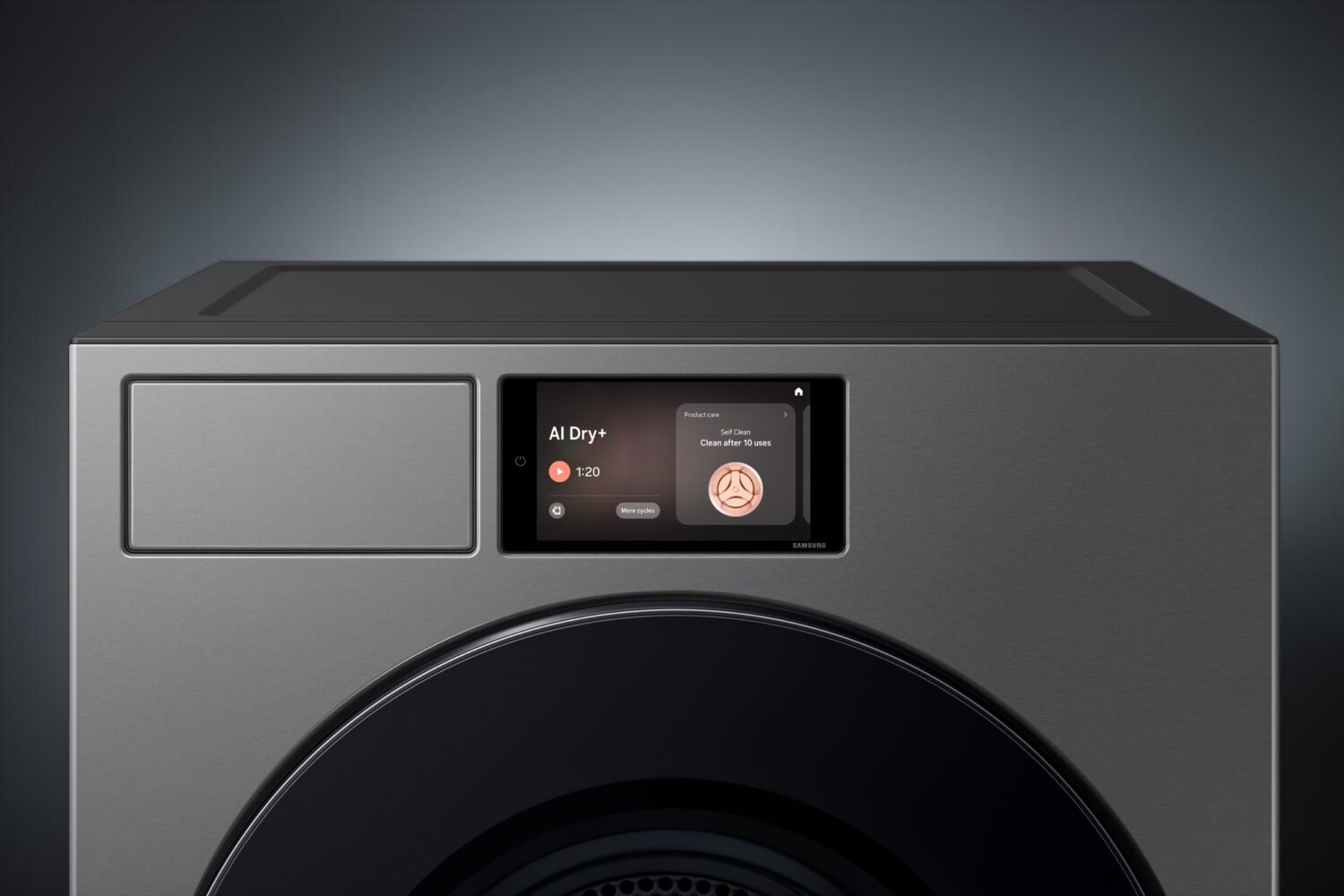
One of the most common concerns remains the belief that dryers routinely damage or shrink clothing. Earlier generations of machines often reinforced this perception, particularly when drying delicate fabrics. Samsung says its latest AI Dry+ system addresses this by using sensors to monitor moisture levels, temperature, and load weight while recognizing several fabric categories, including denim, towels, delicate garments, and standard clothing. Based on those readings, the appliance automatically adjusts the drying cycle to reduce unnecessary heat exposure. Whether these improvements completely eliminate wear over years of use is difficult to measure, but sensor-driven fabric care has become an increasingly common feature across the premium appliance market.
Energy consumption is another area where perceptions have shifted. Traditional vented dryers have long been associated with high electricity usage, but heat pump technology has steadily changed that equation. Samsung claims its AI Energy Mode, combined with hybrid heat pump technology, can reduce energy consumption by up to 20 percent compared with conventional drying methods. While real-world savings will depend on factors such as laundry volume, cycle selection, and household usage patterns, energy efficiency has become a major focus across the home appliance industry as manufacturers respond to both consumer demand and sustainability goals.
Perhaps the strongest argument for dryers in the Gulf region relates to climate rather than convenience. Despite consistently warm temperatures, summer humidity frequently delays air drying, particularly indoors. Damp fabrics can develop unpleasant odors if left for extended periods, and prolonged moisture may encourage bacterial growth. Samsung says features such as Auto Open Door, which automatically opens the door at the end of a cycle to improve airflow, are designed to keep freshly dried clothes from retaining excess moisture after the cycle finishes.
The company is also expanding the role of connected home technology through its SmartThings platform. Integrated with a seven-inch AI Home touchscreen, Samsung’s latest dryers allow users to monitor drying progress, receive smartphone notifications, and manage energy settings remotely. These features reflect a broader industry shift toward connected appliances that fit into larger smart home ecosystems rather than functioning as standalone devices.
As AI becomes more deeply integrated into household appliances, dryers are evolving from simple machines into connected systems designed to automate routine tasks. Whether that makes them an essential purchase will ultimately depend on each household’s lifestyle, budget, and laundry habits. In markets such as the UAE, however, where humidity often complicates traditional air drying, intelligent dryers are increasingly being positioned as a practical response to local environmental conditions rather than a product intended only for colder climates.