TL;DR: A lizard-heavy hour that finally treats the dragon bond as more than prestige, while every major player faces personal and political pressure that threatens to break them before the finale even arrives.
House of the Dragon Season 3
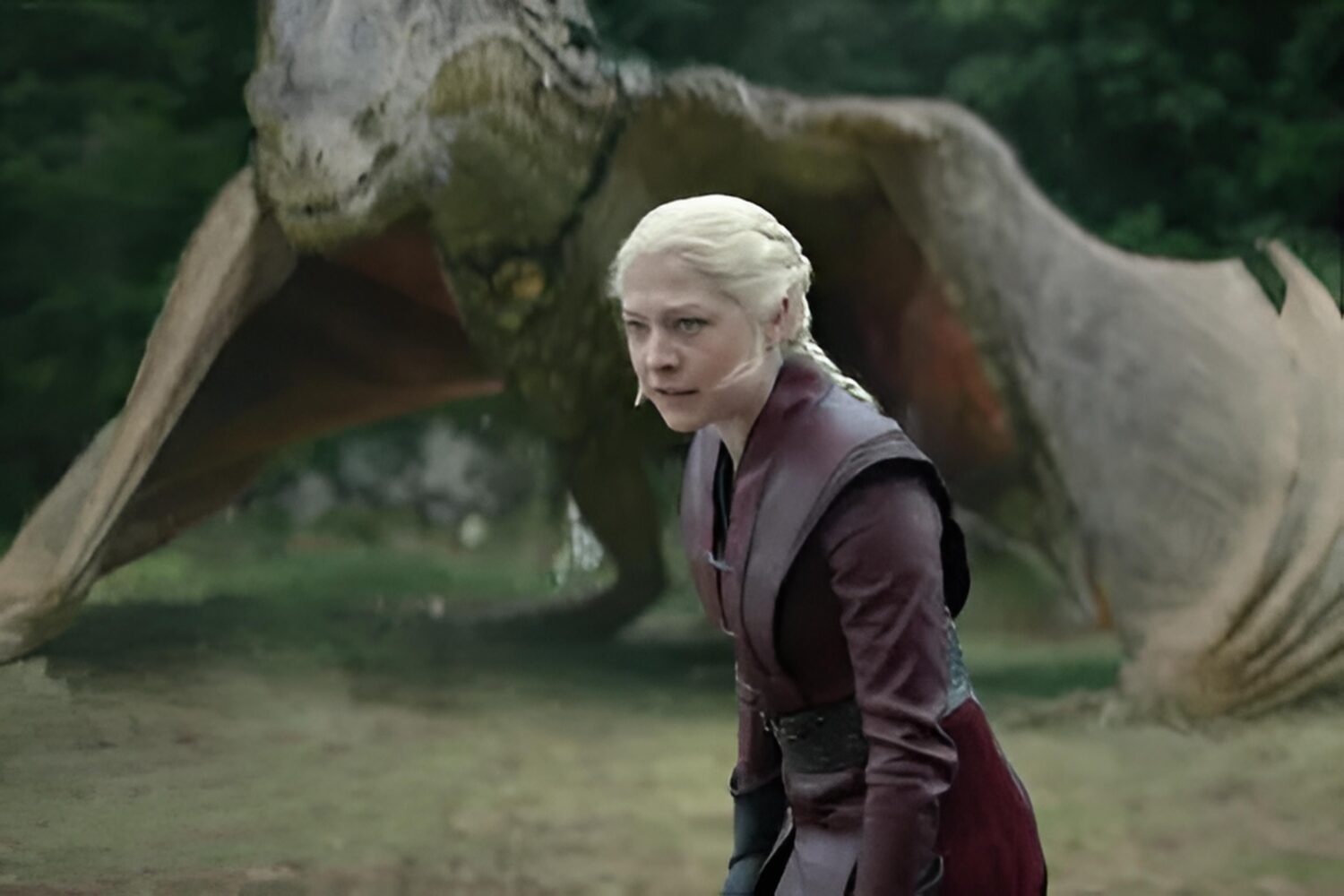
House of the Dragon Season 3 Episode 7 finally stops treating its winged stars like fancy narrative props and starts treating them like living extensions of the broken people riding them. For years the show has danced around the bond, offering sideways glances and prestige points in the Targaryen hierarchy, but this hour leans in hard and lets the lizards roar in emotional sync with their humans. Watching Caraxes and Syrax react in real time to the shouting match between Rhaenyra and Daemon feels less like spectacle and more like couples therapy conducted at a hundred feet with fire breath. The dragons are not simply weapons or status symbols anymore; they are amplifiers, and the amplification is getting loud enough to drown out the politics that used to dominate every frame.
That shift lands hardest because the human drama has never felt more fractured. Rhaenyra is still trying to hold a kingdom together with one hand while the other keeps reaching for prophetic reassurance from a sister who may not have any to give. Helaena’s dreams arrive early and refuse to leave, painting pictures of mobs and eclipses and quiet farm lives that feel both prophetic and painfully ordinary. The pressure Rhaenyra puts on those visions says more about her own cracking certainty than about any cosmic road map. You can almost feel the Black Queen’s grip slipping as the people around her start filling the vacuum she leaves behind, some with genuine ambition and others with pure survival instinct.
Meanwhile the Green side of the family continues its long tradition of turning private nightmares into public policy. Aemond’s dream about his mother arrives like a slap you did not see coming, and the fact that Alicent then walks into Harrenhal in the flesh only tightens the screw. The dinner that follows is the kind of family gathering that makes Thanksgiving look like a light comedy. Poison is offered, suspicions are voiced, and the whole sequence plays out with the awkward intimacy of people who know exactly how much damage they can still do to one another. Alys watches from the edges with the quiet certainty of someone who has already read the last page, and the tension is deliciously uncomfortable.
While the Targaryens tear themselves apart in dramatic fashion, Ormund Hightower is busy building something that looks suspiciously like a winning position. He holds Corlys Velaryon, sends a finger as proof of life, and starts whispering promises to a dragonrider who seems more interested in unrestricted drinking privileges than in noble titles. The man is laughing more than anyone else in the episode, and that laughter is starting to sound less like bravado and more like genuine confidence. Daeron and Gwayne remain in the dark, growing more frustrated by the hour, and the whole setup at Tumbleton feels like a pressure cooker with the heat turned all the way up.
Daemon’s attempts at fatherhood land somewhere between touching and catastrophic. Protecting Rhaena by separating her from her dragon may have felt like the only move left, but the cost is written across Rhaenyra’s face and across the skies above Dragonstone. The man who once seemed capable of bending the world to his will now looks smaller, more reactive, and increasingly unable to see past the personal to the strategic. Council scenes that should be about winning a war instead become stages for private grief and half-spoken resentments. The vacuum at the center of the Black cause is no longer theoretical; it is measurable in the growing number of people who no longer know who is actually in charge.
Mysaria’s attempts to position herself as a bridge between queen and common folk keep hitting walls, yet the private reconnection with Rhaenyra at the end of the hour carries a different kind of electricity. Whether it is political calculation or genuine feeling barely matters anymore. In a story this soaked in betrayal and half-truths, any moment of actual human contact feels like a small rebellion. The same can be said for the quiet devastation that follows every dragon-related decision. Losing a mount is no longer just a military setback; it reads as a form of emotional dismemberment, and the show is finally willing to sit with that idea instead of rushing past it.
By the time the episode ends, the dragon count has shifted again and the map of who can still fly into battle looks messier than ever. Rhaenyra’s side has taken hits. The Greens have gained ground in ways that feel both inevitable and still surprising. Sheepstealer and Vhagar remain wild cards capable of rewriting the entire equation, and the sense that the Dance is about to stop being metaphorical grows stronger with every scene. The penultimate hour refuses to deliver the big set-piece battle many expected, choosing instead to tighten every personal screw until something has to give. That restraint works because the character work has never been sharper or more uncomfortable.
What lingers longest is the growing suspicion that the bond between rider and dragon is not a one-way street of dominance. Feelings travel both ways. Temperaments bleed into scales. Madness and defiance and grief all find echoes in the creatures that once seemed pure power. House of the Dragon has spent three seasons building toward this realization, and Episode 7 finally lets it breathe. The result is an hour that feels both intimate and enormous, a reminder that the most dangerous fires in Westeros have always been the ones burning inside the people who claim to control them.
Verdict
House of the Dragon Season 3 Episode 7 delivers the kind of character-driven tension that makes the approaching finale feel properly dangerous. It digs into the dragon bond with real curiosity, lets family dysfunction reach new heights of awkwardness, and positions Ormund as the quietest and most effective player on the board. The cracks in Rhaenyra’s leadership are no longer hairline fractures, and the emotional cost of every decision is written across both human and reptilian faces. This is strong, confident television that knows exactly how much pressure to apply without tipping its hand too early.