
Apple has signaled that heavy use of the forthcoming Siri AI features will eventually require an iCloud+ subscription. The comment came from Tim Cook during his final earnings call as CEO, a moment when investors pressed him on both the upgrade potential of new artificial intelligence capabilities and the rising capital costs of running them. Cook described the longer-term financial picture for Siri AI as still unclear, yet he made clear that unrestricted free access will not last indefinitely.
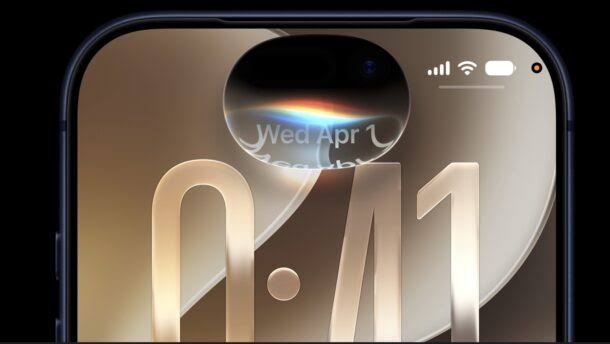
Siri AI is being marketed as a built-in feature of iOS, iPadOS and macOS. In practice it functions as a cloud service. Queries travel to Apple’s own servers and, depending on the request, to third-party infrastructure. That ongoing compute expense is real, and the company has now publicly acknowledged that some form of usage throttling is coming. Once a free quota is exhausted, users who continue to rely on the more advanced capabilities will need to pay for an iCloud+ plan. Exact limits remain unknown; the company has not said how many interactions constitute “heavy” use.
This approach is consistent with steps Apple has already taken. Image-generation tools such as Clean Up and Extend in Photos, along with the updated Image Playground, are expected to carry usage ceilings, with iCloud+ subscribers receiving higher allowances. Those ceilings are not yet enforced in the current betas. Access to new video features in the Home app already demands the 2 TB iCloud tier, and the Cloud Pro model inside Shortcuts is restricted to higher-paying subscribers. The pattern is familiar: core operating-system functions stay free, while sustained or advanced use of resource-intensive services migrates behind a subscription.
The strategy reflects a broader industry reality. Large language model inference is expensive, and few companies can afford to underwrite unlimited personal AI assistance indefinitely. Google, Microsoft and others have already layered paid tiers around their most capable models. Apple’s version of the same calculation arrives later and is filtered through its existing iCloud pricing structure rather than a brand-new AI subscription. Whether the free tier proves generous enough to avoid user friction will matter. If the limits feel tight, the move could generate backlash even as it helps offset the infrastructure bill. Devices capable of Apple Intelligence—iPhone 15 Pro and later—will still be required, and regulatory constraints mean the features will not ship in Europe or China for the foreseeable future. The paid boundary around Siri AI is therefore only one part of a larger, still-unfolding transition.