TL;DR: Season 2 leans harder into noir grit and complex side characters while a chilling new Joker elevates the final stretch, but a distant Batman and uneven villain updates keep it from greatness.
Batman: Caped Crusader Season 2
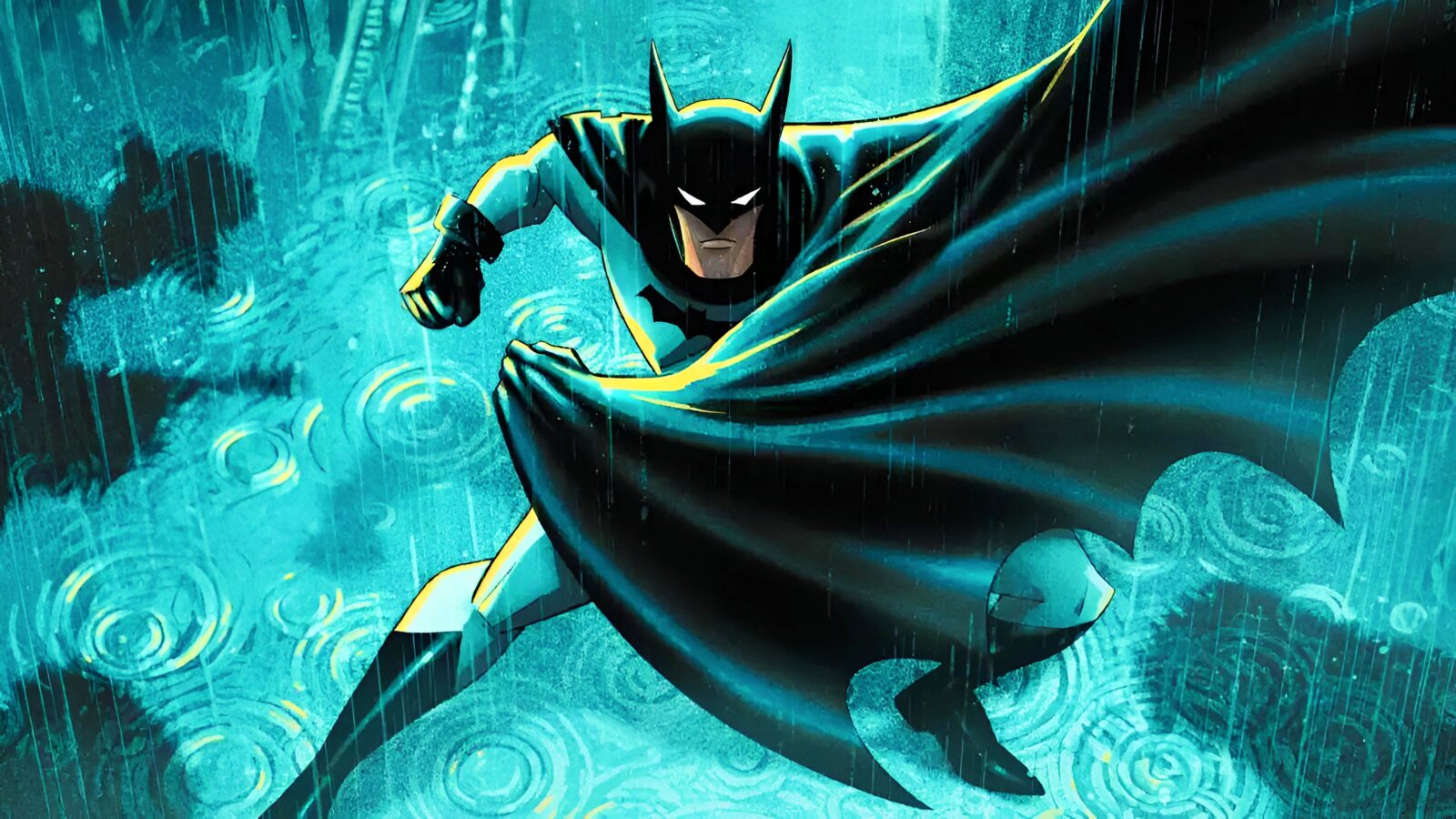
Batman: Caped Crusader Season 2 arrives on Prime Video like a rain-slicked alleyway at 3 a.m., when the neon signs are half-dead and every shadow feels like it has teeth. Bruce Timm and company have doubled down on the hardboiled detective fever dream they started last year, pushing Gotham even further into the kind of smoky, morally bruised territory that makes you want to keep the lights on after the credits roll. This is not the brightly colored, punchline-heavy Batman many of us grew up with. It is something closer to a pulp novel that someone left open under a streetlamp, pages warped by humidity and old blood.
What strikes me hardest this time around is how the series treats its city like a living, breathing antagonist rather than a backdrop. The crime bosses, the crooked cops, the inventors with vengeance on their minds—all of them feel like they crawled out of the same damp basement as the Dark Knight himself. You can almost smell the cheap cologne and cordite when Rupert Thorne’s empire starts to crack and new players slide into the vacuum. Watching Batman try to hold the line while the ground keeps shifting under him is the real engine of Season 2, and it works best when the show trusts that tension instead of rushing toward another set-piece brawl.
The supporting cast continues to steal more oxygen than the man in the cowl, and I am not entirely mad about it. Barbara Gordon is still the sharpest legal mind in the room, the kind of character who makes you lean forward every time she walks into a scene with a file folder and a look that says she already knows how this ends. Detective Flass keeps evolving in ways that feel earned rather than forced, turning what could have been a throwaway dirty-cop trope into someone you actually find yourself rooting for against your better judgment. Even the more eccentric new faces—inventors with rocket packs and women who treat psychology like a contact sport—carry a weight that makes Gotham feel densely populated rather than a revolving door of weekly gimmicks.
Then there is the Joker. When this version finally steps fully into the light, the temperature in the room drops. This is not the purple-suited showman who lives for the punchline. This is something older, colder, drawn from the same ink that produced the earliest Golden Age nightmares and Conrad Veidt’s permanent grin. Matthew Needham plays him like a man who has already decided the joke is on everyone else and is simply waiting for the rest of the city to catch up. The episodes that lean into that presence are the ones where Caped Crusader stops feeling like a stylish experiment and starts feeling dangerous again. You can sense the writers finally hitting the note they have been circling since the pilot.
Not every swing lands clean. The Riddler reinvention leans so hard into pure violence that the intellectual chess match most of us expect from the character never quite materializes, and that absence is felt. Batman himself remains something of a closed circuit—efficient, imposing, but rarely allowed the kind of quiet psychological excavation that would make his loneliness hit harder. Hamish Linklater’s voice work is still excellent at separating the playboy from the vigilante, yet the series seems almost stubborn about keeping the man in the middle at arm’s length. In a franchise already drowning in origin stories and trauma deep-dives, that choice can feel like a missed opportunity rather than a bold statement.
Visually the show continues to wear its noir influences on its sleeve with pride. The animation is cleaner than a lot of the direct-to-video DC output, the environments still carry that lovely grain and shadow play Timm has always favored, and the score does solid atmospheric work even if it never quite reaches the haunting peaks of Shirley Walker’s classic themes. Vehicles occasionally look a little too smooth against the gritty cityscapes, but the overall mood is consistent and immersive. This is a Gotham that feels lived-in and tired in the best possible way.
Season 2 is at its strongest when it stops worrying about whether it is different enough from Batman: The Animated Series and simply trusts the darker lane it has chosen. The best episodes treat the city and its broken inhabitants with the same careful attention a good detective would give a crime scene—patient, methodical, and occasionally brutal. When the series remembers that, it delivers the kind of late-night viewing that leaves you turning the lights on a little longer than usual after the final credits.
Verdict
Caped Crusader Season 2 digs deeper into the shadows and finds real gold among the supporting players and a truly unsettling Joker, even while Batman himself stays frustratingly distant and a few villain reinventions miss the mark. It is still the most adult, noir-soaked animated Batman currently on screens, and for fans who want their Gotham wet, mean, and psychologically messy, it remains well worth the late-night commitment.