


Lenovo has stepped in as a founding global partner for the Esports World Cup 2026, supplying its Legion desktop PCs and monitors across the competition’s core operations. The seven-week event runs in Paris from July 6 to August 23, marking the first time the tournament moves to the French capital after earlier editions centered in the Middle East. Organizers expect more than 2,000 players and 200 clubs from over 100 countries to compete across 24 titles and 25 tournaments for a prize pool exceeding $75 million.
Players will use Legion Tower 7i and Tower 5i systems on the main stages, while the same hardware supports training rooms, broadcast studios, and production setups. Monitors from the Legion line will also appear in competition areas. This arrangement continues a relationship that began at the 2025 edition, where more than 2,000 Legion machines handled tournament logistics, creator zones, and festival activations. Branding then reached an estimated 750 million viewers across multiple languages and regions.
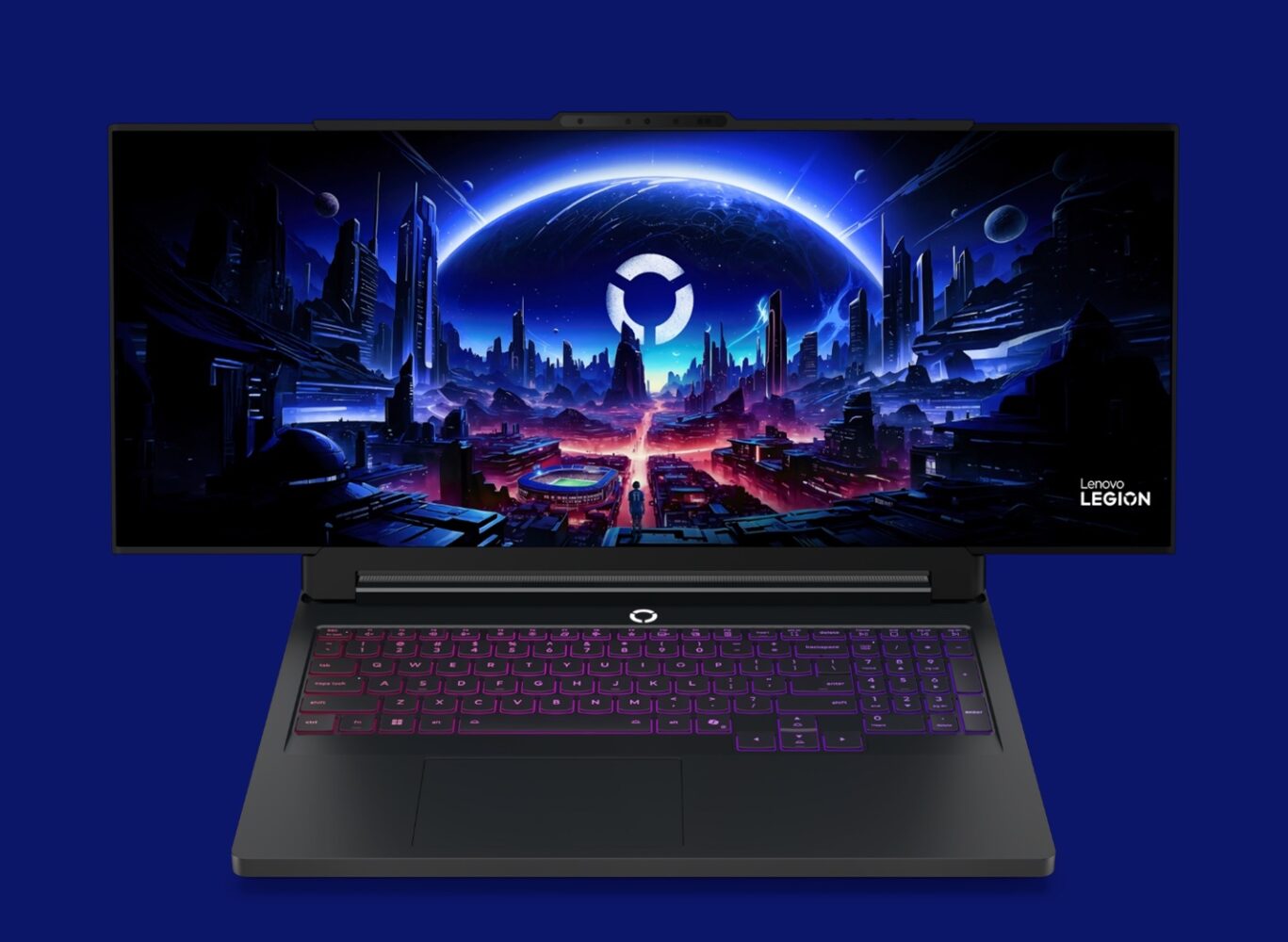
The partnership extends beyond pure competition hardware. Attendees will find Legion laptops, tablets, and peripherals in dedicated festival spaces, including the Legion Gauntlet stage. On-site challenges offer chances to win devices, and the brand’s channels plan additional content focused on player setups. One notable exhibit is the Legion Pro Rollable Concept, a laptop with a 16-inch PureSight OLED display that expands to 21.5 or 24 inches. First shown at CES earlier this year, the prototype targets traveling competitors who want a single portable machine that can scale for different training or viewing needs. Visitors can try it at the Legion booth.
Hardware sponsorships of this scale have become standard in major esports events. Large prize pools and multi-week formats require reliable, high-spec equipment that can withstand constant use under broadcast lights and tight schedules. By embedding its systems throughout the venues, Lenovo gains repeated on-air and on-site exposure while the organizers secure consistent performance across hundreds of matches. Whether the arrangement meaningfully advances the competitive experience or simply locks in another corporate presence remains open to debate; what is clear is that the technical backbone of the event now carries the Legion name from practice rooms to the final broadcasts.
Paris itself adds a new layer. Moving the world’s largest esports gathering to a European capital broadens the audience base and tests the logistics of running a multi-game festival in a city already dense with summer tourism and cultural events. The combination of established hardware support and a fresh host city sets the practical framework for the 2026 competition, even as the sport continues to navigate questions about long-term sustainability and the balance between commercial partners and competitive purity.