TL;DR: Criston Cole dies in a brutal ambush, Rhaenyra and Alicent reopen every old wound, the dragonriders fray at the edges, and Ormund Hightower quietly rearranges the entire war while no one is looking. The season’s best episode yet.
House of the Dragon Season 3
There is a particular kind of satisfaction that only arrives when a long-running fantasy war finally stops pretending to be polite. House of the Dragon has spent two seasons circling the inevitable, and by the sixth hour of its third season the circling ends. The knives are out, the dragons are restless, and the people who once believed they could still talk their way through the Dance of the Dragons are discovering that conversation is just another way to bleed.
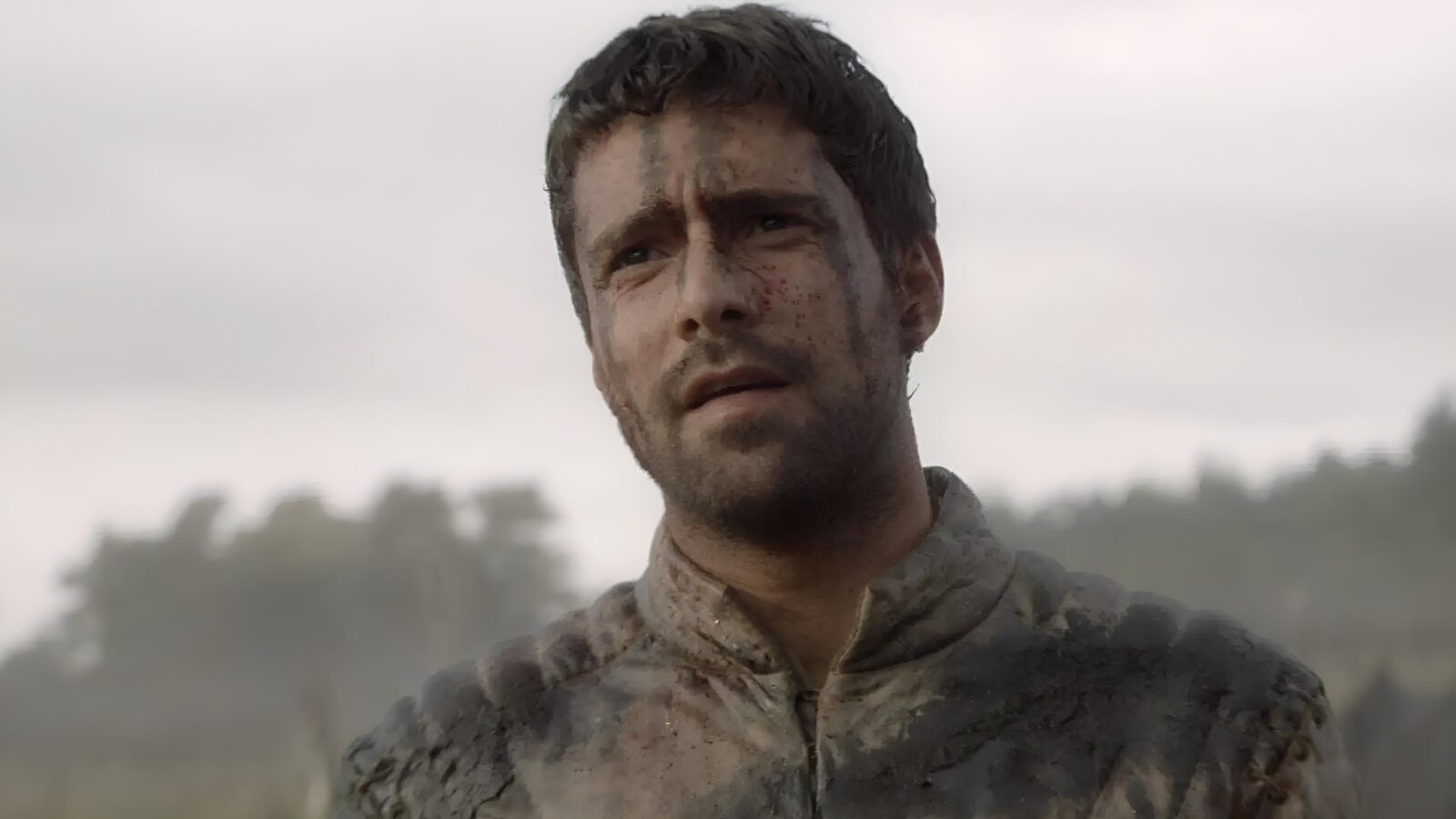
The episode opens with the kind of set-piece that makes you sit forward without realizing it. Criston Cole, that sour-faced embodiment of wounded pride and misplaced loyalty, walks his men straight into a trap that turns out to have a second, hungrier mouth waiting behind the first. The Butcher’s Ball is not elegant. It is messy, loud, and deeply personal. Cole fights like a man who has already accepted the ledger is closed; the only question left is how many names he can drag onto the same page before the final stroke. When the end comes it is almost quiet, a single arrow and a token from Alicent wrapped around a sword that will never rise again. The show gives him one last flicker of something resembling honor, then removes him from the board with the efficiency of a player who has grown tired of a piece that only ever moved sideways.
That death is not the point of the hour so much as the permission slip for everything that follows. With Cole gone, the camera turns to the two women who once shared a bedchamber and a secret and now share only the weight of every choice that turned them into enemies. Rhaenyra’s fury at Alicent’s attempted escape is real, but it is also theatrical. Alicent’s confession about Helaena’s pregnancy lands like a stone in still water; the ripples reach every corner of the Red Keep. Rhaenyra understands the dynastic threat instantly and still manages to sound offended that she was not trusted sooner. The hypocrisy is delicious. By the time she asks Alicent to arrange the death of her own son, the high horse has been led to the slaughter and no one is offering it a final apple.
Helaena, for her part, has decided that starvation is the only language left that her mother might still hear. The refusal to eat is not melodrama; it is the quiet, furious arithmetic of a girl who was promised safety and delivered another lie. Watching Alicent try to negotiate with that silence is one of the episode’s most uncomfortable pleasures. The show refuses to let either woman off the hook, and that refusal is what makes the scene feel lived-in rather than written.
Elsewhere the dragonriders are coming apart in slower, more intimate ways. Baela pushes herself past exhaustion hunting a dragon that does not want to be found, then steals a few minutes of ordinary human contact with Alyn that feels almost rebellious in its gentleness. Rhaena is half-mad in the Vale, surviving on scraps and the unpredictable mercy of a wild beast while Lady Jeyne Arryn’s patience thins to a razor. Aegon watches someone else bury the evidence of last week’s violence and still cannot stop replaying the professional review that told him he is, in every measurable way, a disappointment. Aemond debates strategy with a woman who may or may not be telling him the truth, then chooses the oldest strategy of all and takes her to bed. None of these threads resolve. They simply tighten.
Daemon stalks the streets of King’s Landing like a man who has finally realized the police force he once commanded has become a hydra with too many heads to cut. Ulf is miserable on watch. Hugh returns to a wife who greets him with the kind of cold that freezes the tongue mid-apology. Every rider is carrying a private ledger of regret, and the show is patient enough to let each of them open it in turn.
Then there is Ormund Hightower, the man who has decided that the civil war is not a tragedy but a puzzle he intends to solve. James Norton plays him with the calm certainty of someone who has already seen the board three moves ahead and is mildly disappointed that everyone else is still learning the rules. His lectures to Daeron are pure aristocratic contempt; his casual dismissal of the common folk is the kind of line that would get a lesser character booed off the stage. When a squad of assassins arrives dressed in stolen Baratheon colors, the rescue comes from Gwayne, the one relative Ormund has spent the episode belittling. The apology that follows is almost more insulting than the original slight. The larger damage, of course, is political. House Baratheon had been trying to stay out of the fire. Rhaenyra just handed them a reason to choose a side, and the side they choose will not be hers.
Corlys Velaryon’s capture is the final turn of the knife. The man who had only just decided to stop sulking and return to the capital is removed from the board by Bold Jon Roxton with the casual efficiency of a man collecting a debt. The show has stepped off the map of the source material here, and the freedom is exhilarating. Ormund is no longer a supporting player. He is the architect of a campaign that treats Rhaenyra’s reclamation of the Iron Throne as the beginning of the real war rather than its end.
What the episode understands better than almost any previous hour is that power is not a single decision. It is a thousand small failures of imagination that accumulate until the only remaining choices are the catastrophic ones. Rhaenyra is learning to act, but she is still learning too slowly, and the people around her are already moving at a different speed. The blades of the Iron Throne still cut her arms when she sits. Soon that may be the least of the blood she sheds.
Verdict
This is the hour where the season stops warming up and starts swinging. Every storyline advances with purpose, every character is allowed to be complicated without becoming incoherent, and the sense of gathering dread is earned rather than manufactured. It is the strongest stretch of the show so far, and it leaves the board in a state of beautiful, irreversible chaos.