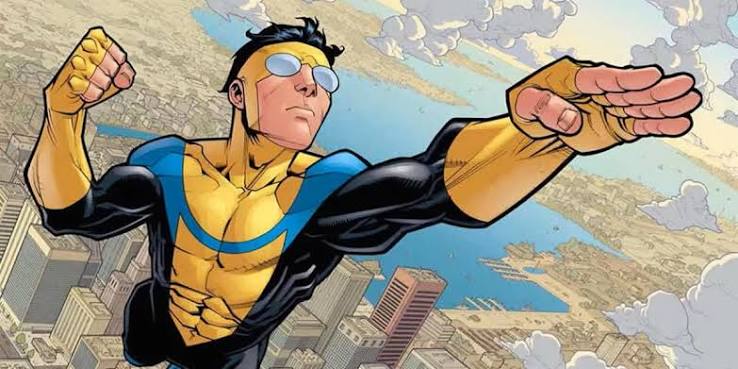
TL;DR: A fast, brutal, and surprisingly heartfelt superhero RPG that captures the Invincible tone without apology. Excellent starter materials, sharp combat, and a solid solo mode make it easy to recommend to fans of the comics or the show who want to get their hands dirty.
Invincible – Superhero Roleplaying
There is something deeply satisfying about sitting down at a table and realizing the superhero game in front of you has zero interest in letting anyone feel safe. Invincible Superhero Roleplaying does not pretend the world is a colorful playground where heroes always walk away with a witty one-liner and a slightly torn cape. It leans hard into the idea that powers come with consequences, that bodies break, and that the people you care about can die screaming while you are still figuring out which button on your costume does what. Free League’s Year Zero Engine has already proven itself in colder, darker settings, but here it gets dressed in spandex and then immediately covered in blood, and the result feels like the kind of tabletop experience that makes you lean forward instead of checking your phone.
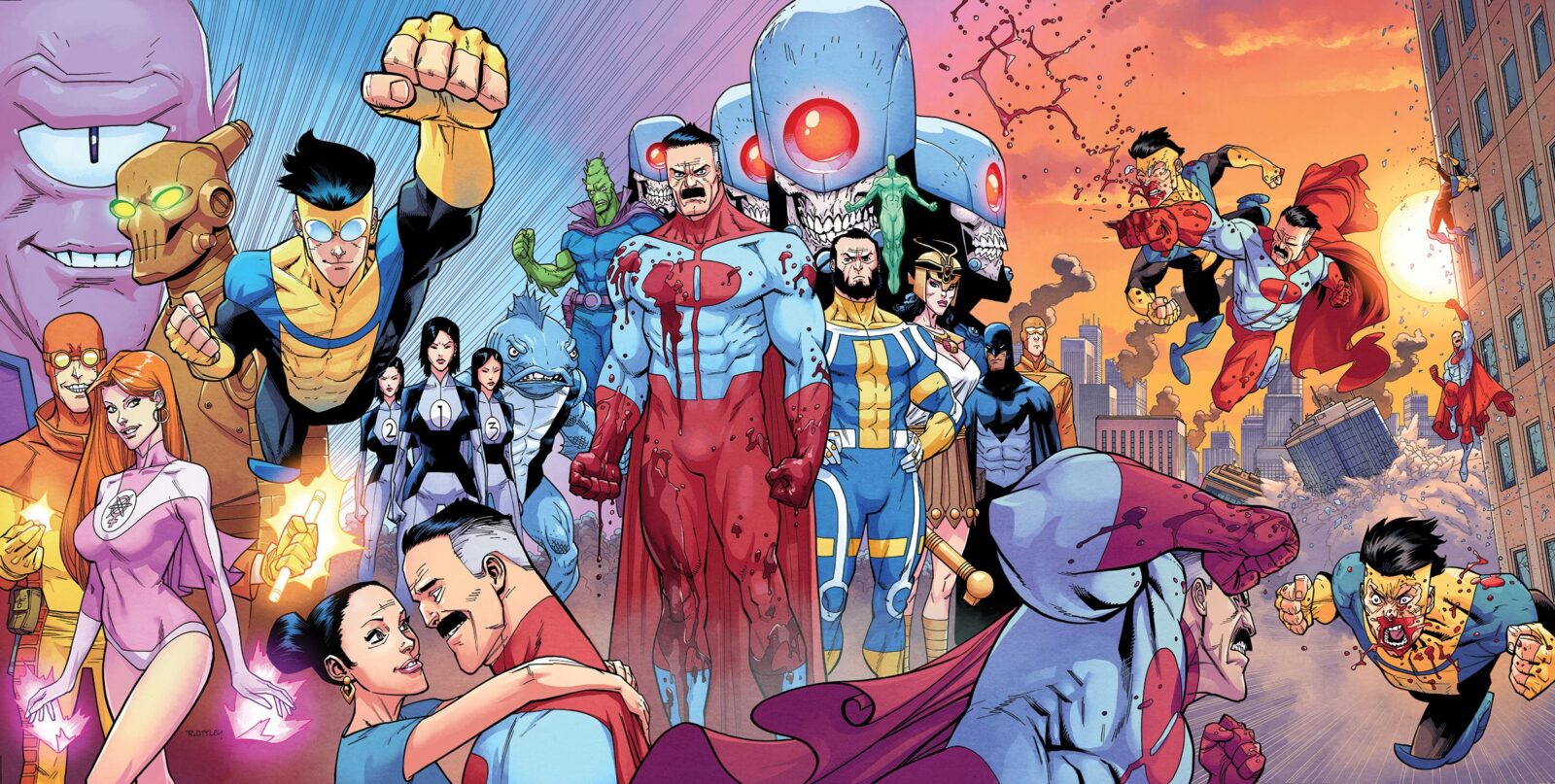
I came into this one already carrying years of comic panels and streaming episodes in my head. The Kirkman-Walker-Ottley universe has always thrived on the gap between the brightly colored surface and the absolute carnage underneath. Translating that gap into dice and character sheets is no small trick. Most superhero games either sand the edges off until everything feels safe and heroic or they go full grimdark and forget the heart that keeps people coming back. This one somehow holds both at once. You can play the earnest kid who still believes in the mission and still watch that same kid get folded in half by something that used to be a friend. The system never flinches, and that refusal is exactly what makes the sessions stick in your memory long after the dice stop rolling.
Year Zero has always been about resource management and meaningful risk. You push your dice pools, you accept the stress, and eventually something gives. In a superhero context that tension becomes delicious. Every time you decide to go all out with a power, you are gambling that the fallout will not land on the civilian you just saved or the teammate who was covering your blind side. The combat moves fast enough that a single fight can feel like a sequence from the comics rather than a multi-hour slog of waiting for your turn. Initiative cards keep the order fluid and a little unpredictable, which mirrors the way battles in this universe rarely stay neat.
I have sat through too many superhero sessions where the table spends twenty minutes debating line of sight and cover while the emotional stakes evaporate. Here the engine refuses to let that happen. When a character takes a serious hit, the mechanical consequences are immediate and personal. You do not just lose hit points. You start making harder choices. The system rewards creativity without requiring a law degree in rules lawyering. That combination of speed and weight is rare, and it is the single biggest reason this game feels like it belongs in the Invincible universe rather than merely borrowing the name.
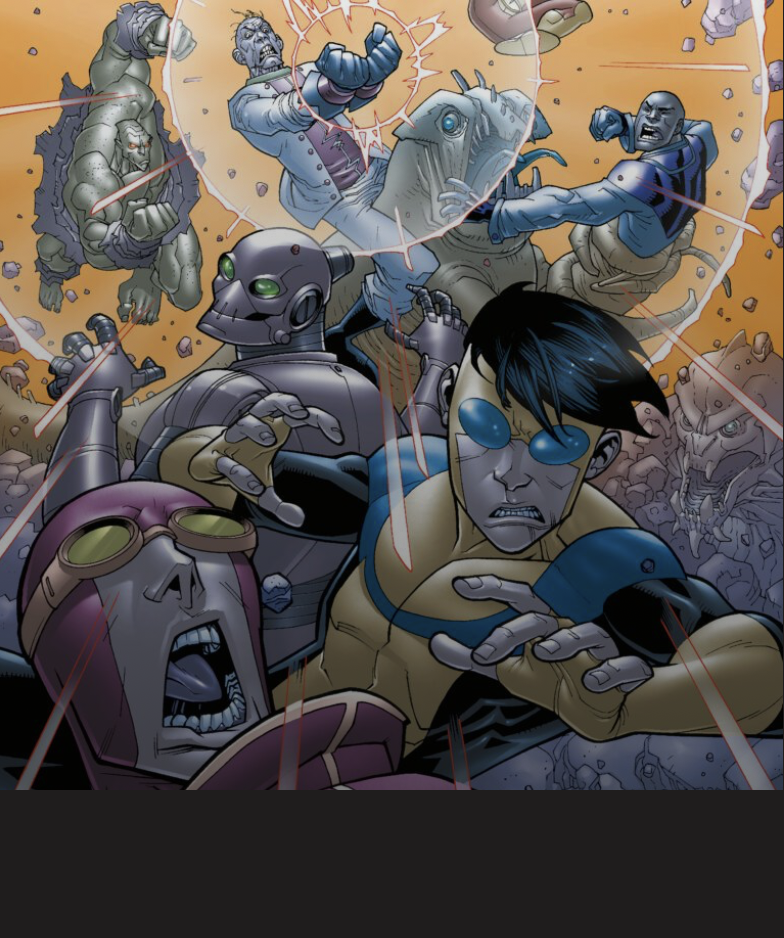
Character creation in the full rulebook gives you enough room to make someone who feels like they crawled out of a Kirkman panel. Archetypes get you moving quickly if you just want to play, while the broader power list lets you chase specific concepts. Nearly seventy powers means you can build the classic energy projector, the regenerating bruiser, the reality-warping wildcard, or the quiet support character who keeps everyone else standing. Boosts, drawbacks, and talents layer on top so that two people with the same base power still play differently. One Atom Eve analogue might be the careful planner who always has a force field ready. Another might be the reckless inventor who keeps pushing the edges of what the power can do and occasionally melts a city block by accident.
The pre-generated characters in the Starter Set are smartly chosen. They give new players immediate permission to jump into the tone without spending an evening on character math. You can be the hot-headed explosion guy, the shape-shifting tank, the energy-construct artist, or the guy who is still figuring out that his father is a monster. Each sheet already carries the emotional baggage the setting demands. That matters more than people sometimes admit. A superhero game lives or dies on whether the players feel the weight of the world they are protecting, and these starter heroes arrive already carrying that weight.
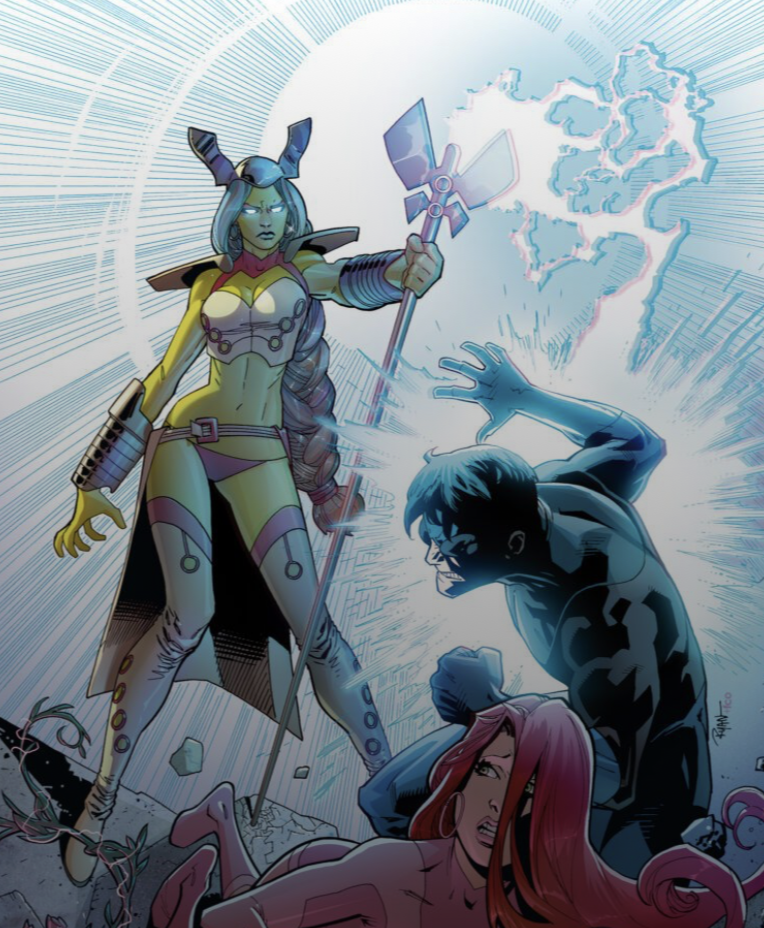
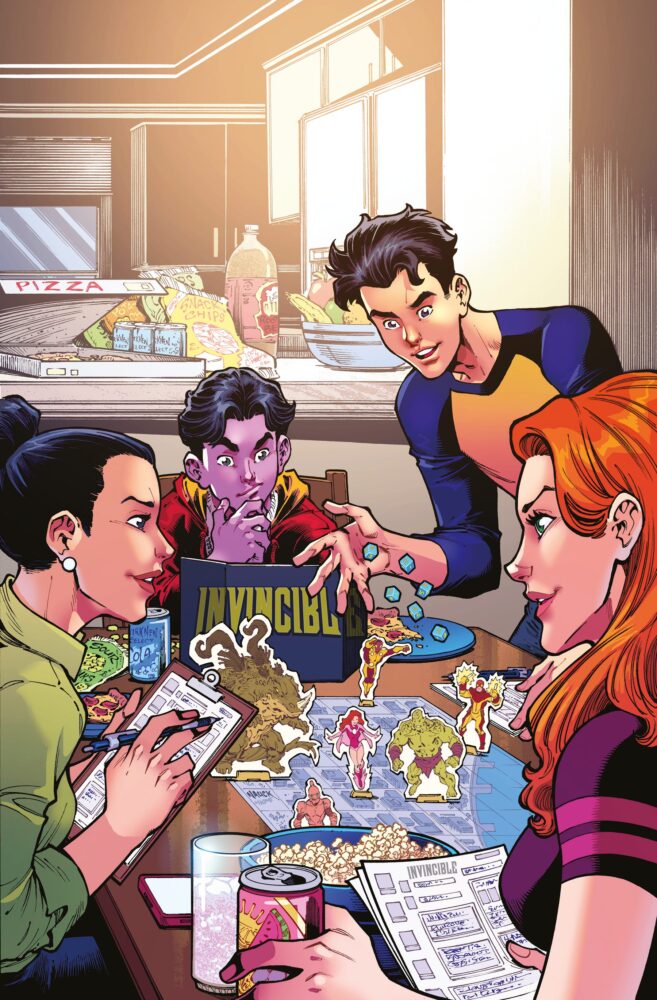
Opening the Starter Set feels like someone handed you a carefully packed survival kit for a very dangerous city. The three-act adventure Metro Mayhem does exactly what a good introductory scenario should do. It teaches the system through play rather than through a lecture. You learn how social scenes work, how combat escalates, and how the world reacts when powered people start throwing cars. The double-sided map gives you both intimate locations and a wider downtown stretch, so the action can breathe. Cardboard standees and tokens keep the table visual without requiring a full miniatures collection. The custom dice feel good in the hand and the initiative deck keeps the pacing sharp.
What surprised me most was how thoroughly the set captures the series’ particular flavor of humor. There are moments of pure absurdity sitting right next to genuine horror, and the adventure never treats either as a mistake. You can crack a joke about the villain’s terrible costume choice and then watch that same villain put a civilian through a wall two turns later. The tonal whiplash is intentional, and the materials support it instead of trying to smooth it out. Premium production values help. Everything in the box feels like it belongs on a shelf next to the collected comics rather than like an afterthought.
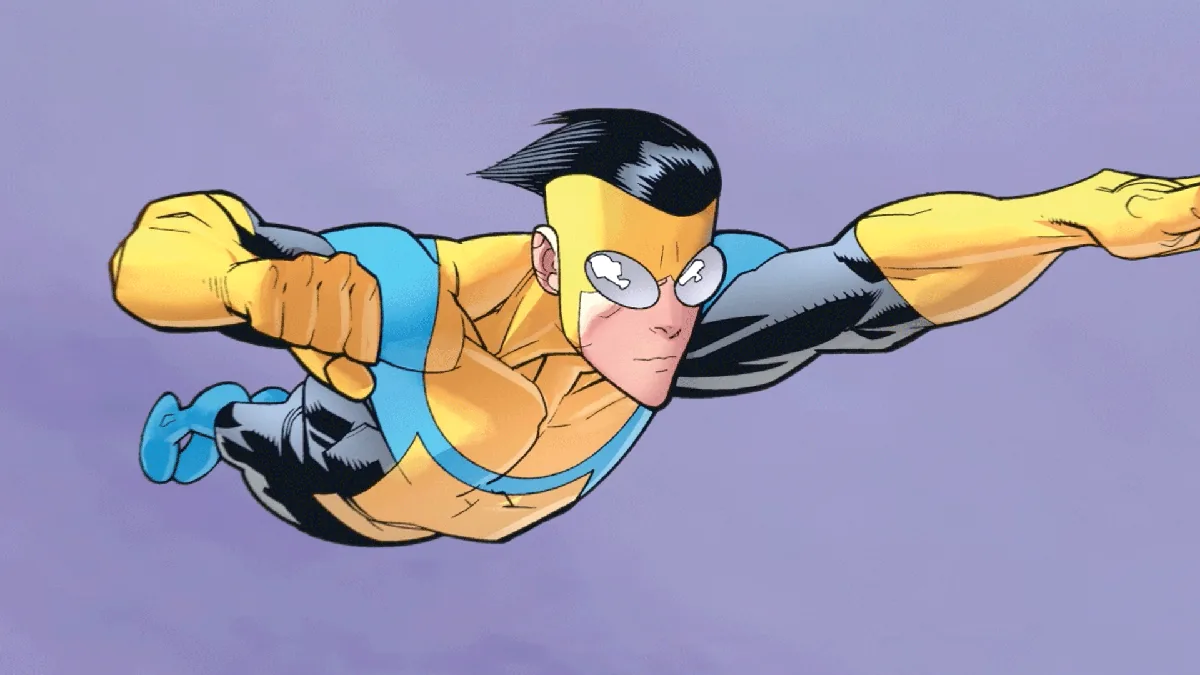
Crisis Mode is the quiet triumph of the whole package. Plenty of games now offer solo tools, but most of them still feel like you are managing a spreadsheet with occasional dice rolls. Here the solo mode leans into the same fast, brutal pacing the group game uses. You still make hard choices. You still watch resources dwindle. You still feel the pressure of a city that does not care whether you are ready. I prefer a full table when I can get one, but the nights I spent running Crisis Mode still delivered the same mix of adrenaline and dread that makes the setting work. It is not a watered-down version. It is the same engine pointed at a single player who now has to carry every consequence alone.
That design choice matters. Superhero stories are often about isolation even when the heroes work in teams. Omni-Man’s shadow, the Viltrumite threat, the constant sense that the next fight might be the one that ends everything—these ideas translate cleanly into solo play. You can explore a quieter character arc or simply test how far one powered individual can push before the world pushes back harder. The fact that Free League included a robust solo path without compromising the core tone shows they understood what this license actually needed.
The single biggest reason I keep thinking about this game days later is the combat. Superhero fights in tabletop form have a long history of becoming logistics problems. This one stays cinematic. Positions matter, powers interact in interesting ways, and the system keeps pressure on every participant. You are rarely safe just because it is not your turn. Environmental hazards, collateral damage, and the simple fact that many opponents will not stop until someone is dead all combine into sequences that feel like they could have been storyboarded for the show.
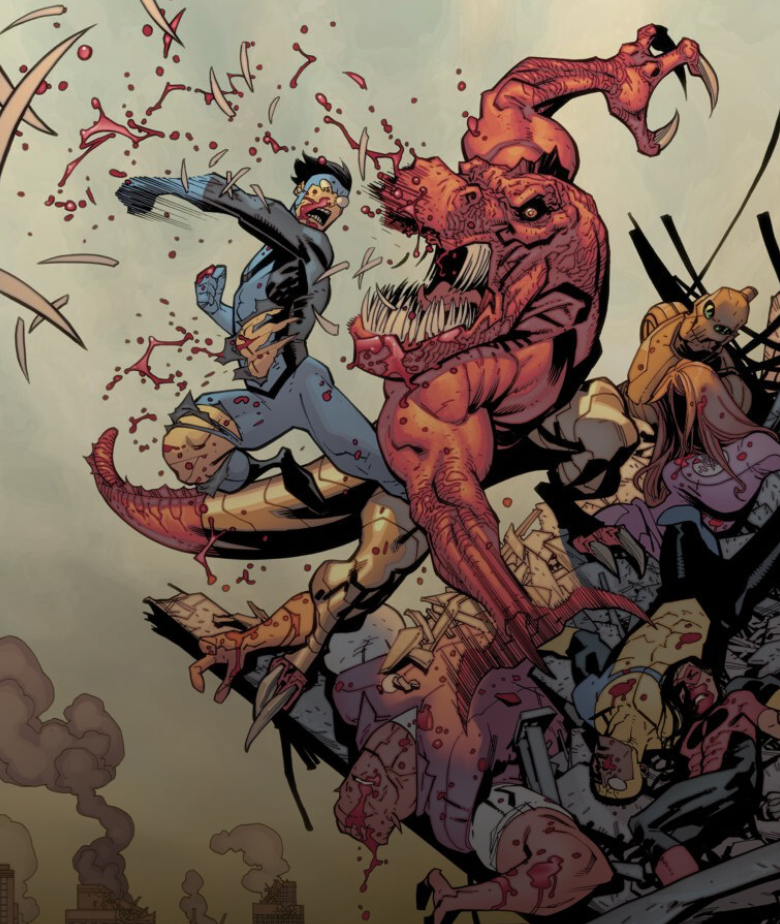
I have watched tables light up when a perfectly timed power use turns a losing fight around, and I have watched the same tables go quiet when a beloved character takes a hit that will not heal quickly. That emotional range is the point. The game does not require you to lean into the gore, but it never apologizes for the fact that the source material does. If your group wants a lighter tone you can dial it back. If you want the full Kirkman experience, the tools are already waiting.
The core book spends serious time on the setting itself. Locations, factions, and the broader cosmology of the Invincible universe get enough detail that a game master can run a campaign that feels native rather than generic. Stats for more than sixty familiar faces mean you can drop known characters into scenes without having to invent everything from scratch. The GM tools help you build original threats that still feel like they belong in the same continuity. Nothing here feels like a generic superhero toolkit with a license slapped on top. The writers clearly spent time absorbing the comics and the show and then asked what a tabletop version of that specific flavor would require.
That care shows in the smaller details. Social scenes have mechanical support that goes beyond simple persuasion checks. Relationships matter. Public perception can shift. The line between hero and liability is always thinner than the characters would like. These systems encourage the kind of roleplay that makes superhero stories work when they work well—the quiet conversations after the fight, the arguments about how far is too far, the moments when someone realizes the person across from them is no longer the ally they thought they were.
Verdict
Invincible Superhero Roleplaying understands exactly what makes the source material special and then builds a system that protects that understanding instead of sanding it away for broader appeal. The Year Zero Engine gives the action the speed and weight it needs. The Starter Set is one of the stronger on-ramps Free League has produced. The core book opens the world up without losing focus. Crisis Mode means you never have to wait for a full table to dig in. This is not a gentle superhero experience, and it is better for that honesty. If you have ever wanted to feel the specific mix of hope, horror, and dark humor that defines this universe from the inside of a character sheet, the tools are here and they work.