



TL;DR: Palworld turns the simple act of collecting cute creatures into an industrial empire-building survival sandbox that is equal parts wholesome and deeply unhinged. The core loop of capture, automate, explore, and conquer remains wildly compelling even when the world feels empty and the building tools still fight you. It is messy, addictive, and impossible to quit once the first base starts humming.
Palworld
There is a particular kind of delayed satisfaction that only arrives after you have spent enough hours in a game that the absurdity stops feeling like a gimmick and starts feeling like a lifestyle. Palworld delivers that sensation with the casual confidence of someone who knows exactly how unhinged their premise sounds and has decided to lean into it anyway. You begin as a near-naked castaway in a world that looks like it was designed by a committee that never quite agreed on tone, and within a few dozen hours you are running a sprawling automated compound staffed by colorful creatures who plant, water, mine, and manufacture while you casually gun down rival tamers from the back of a flying mount. The loop is so sticky that time becomes an abstract concept. One more base expansion turns into another region cleared, which turns into one more legendary captured, and suddenly the sun has come up without your permission.
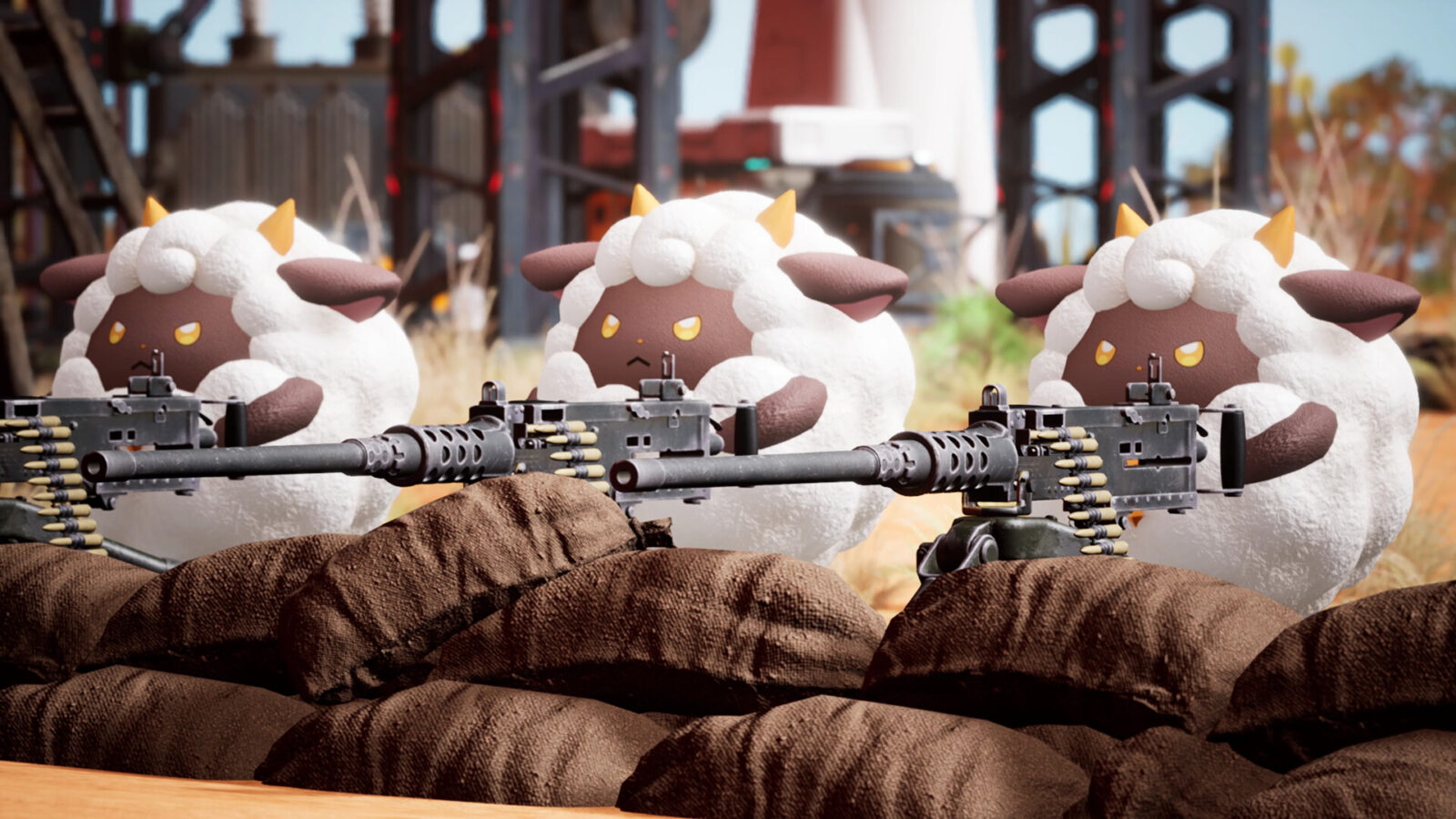
What makes the whole experience land so hard is how cleanly it merges two genres that rarely share the same room. Creature collection usually prioritizes bond, evolution, and strategic team-building. Survival games demand resource management, environmental threat, and the slow climb from stone tools to industrial might. Palworld simply refuses to choose. Your Pals are simultaneously companions, weapons, and unpaid labor. A plant-type creature tills the soil while a water-type keeps the crops hydrated and a clawed worker hauls the harvest into storage chests. The system is never perfectly efficient. Creatures wander off, drop materials at inconvenient moments, or decide they are too hungry to finish a task. Yet that slight clumsiness is part of the charm. Watching a lineup of mismatched Pals slowly turn a muddy clearing into a humming production hub feels less like optimizing a factory and more like managing a chaotic but loyal found family that also happens to be excellent at forced labor.
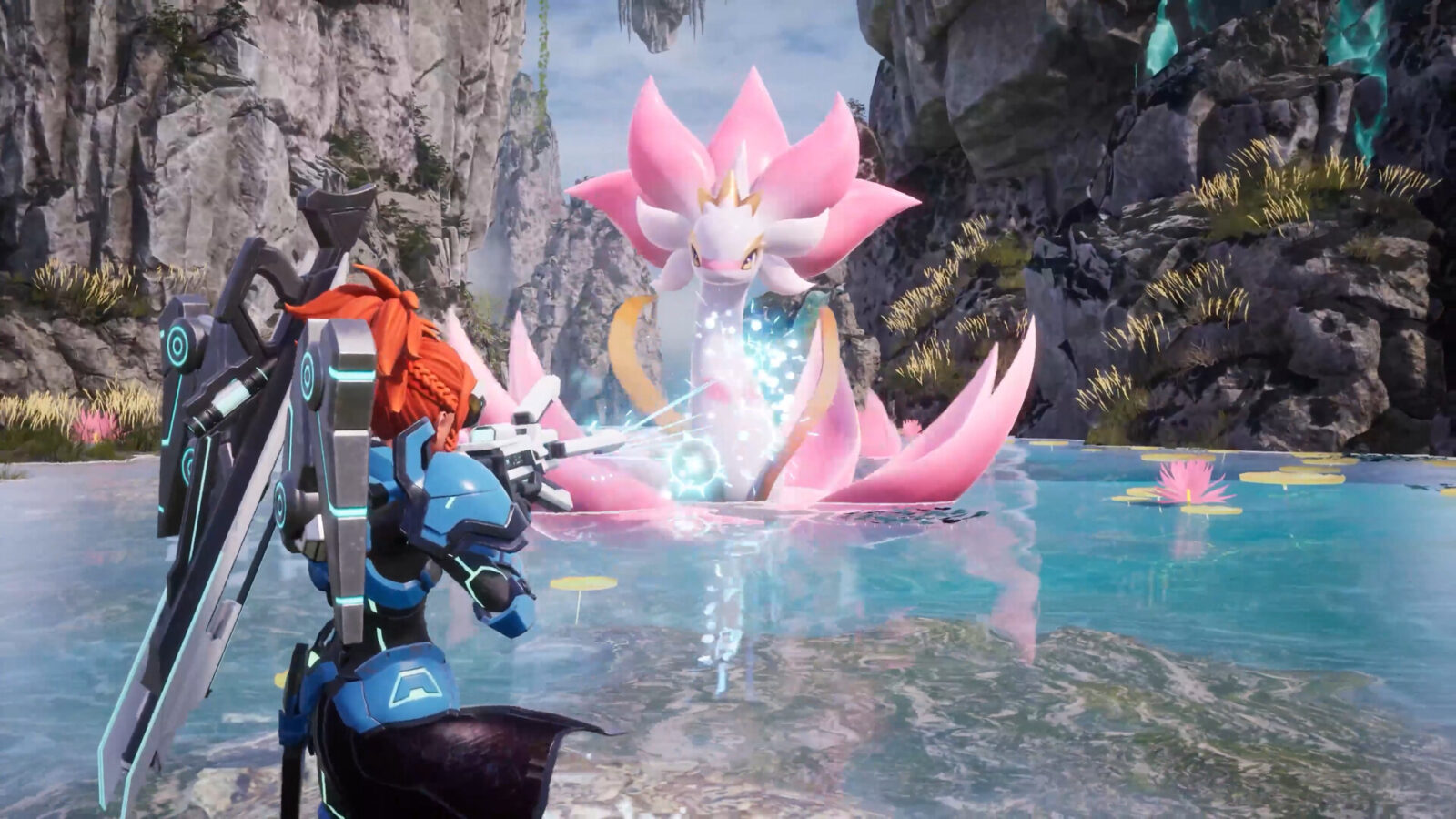
The early hours are pure survival theater. You swing a crude club, craft leather scraps into something resembling clothes, and pray the weather does not freeze or cook you before you can erect a basic shelter. Every new crafting unlock feels disproportionately meaningful because the world is genuinely hostile. Hostile human factions shoot on sight. Wild Pals will happily maul you if your party is under-leveled. Temperature extremes punish the unprepared. That pressure never fully disappears, but it transforms. By the mid-game you are wearing high-tech armor that looks like it escaped from a sci-fi anime, riding dragons across volcanic zones while your equipped Pals function as living flamethrowers, and the same systems that once threatened to kill you now feel like tools you have thoroughly bent to your will. The progression curve is generous enough that you rarely feel stuck, yet demanding enough that every major upgrade still carries weight.
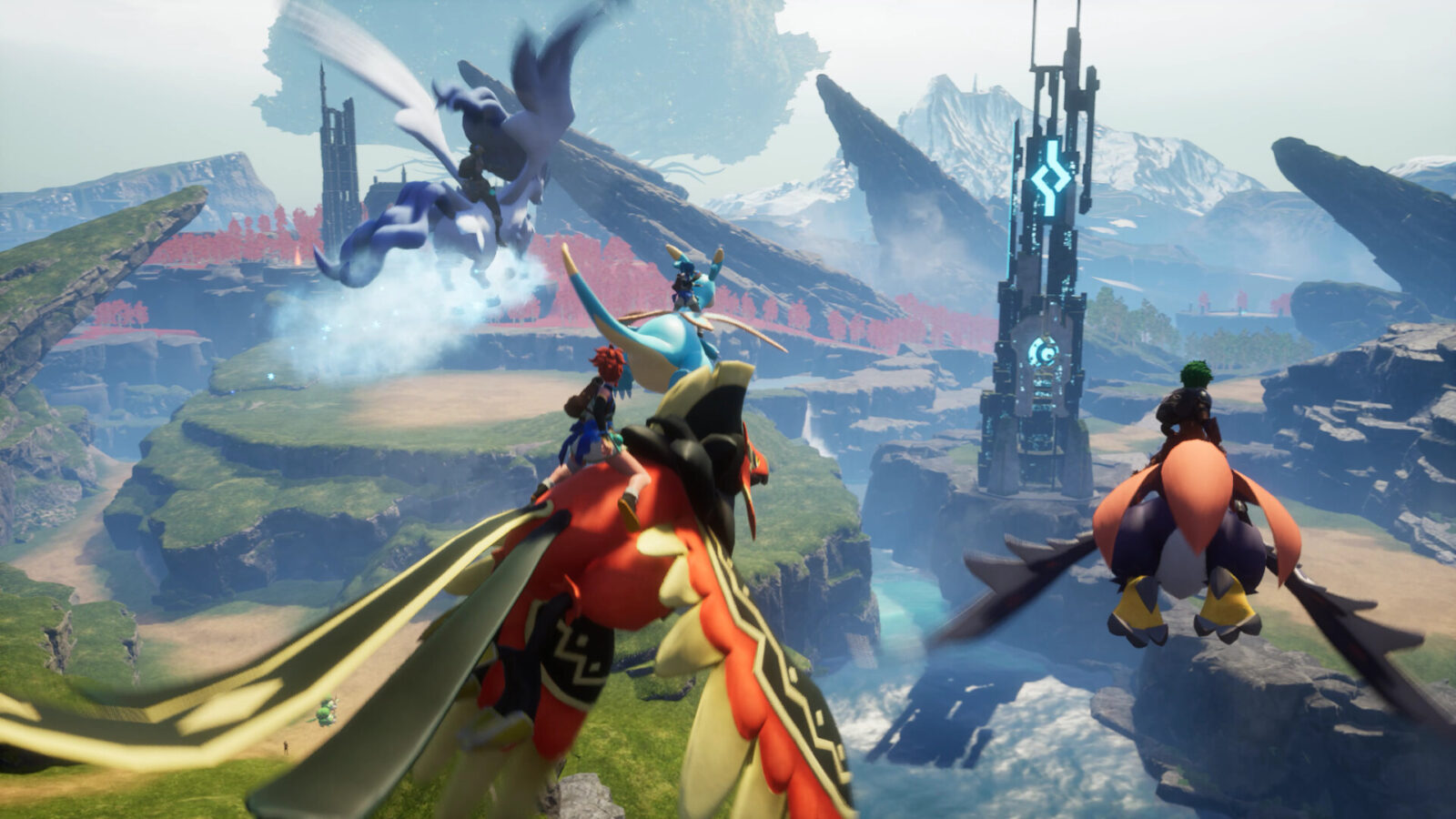
Combat sits at the perfect intersection of those two identities. You are never a passive spectator while your creatures do all the work. You fire pistols, thrust spears, and dodge magical projectiles while your active Pal unloads elemental abilities. The best moments arrive when everything lines up: you kite an aggressive boss into the open, switch to a fire-type companion mid-dodge, and watch the resulting chaos light up the battlefield while a co-op partner does the same from the opposite flank. Boss encounters vary wildly in quality. A handful are genuinely memorable, forcing you to respect environmental hazards or specific movement patterns. Many others are simply large versions of regular Pals that require you to hit them until they fall over. The variety is uneven, but the sheer number of encounters and the freedom to bring almost any creature you like keeps the combat from growing stale for a surprisingly long time.

Base construction remains the one system that still feels unfinished even after the full release. The lack of easy object relocation or reliable snapping turns what should be a creative sandbox into an exercise in careful demolition and reconstruction. Structural integrity rules are opaque enough that a single mistaken deletion can cascade into the sudden collapse of hours of work. These frustrations are real and occasionally rage-inducing, yet they never quite outweigh the satisfaction of watching a once-barren plot evolve into a multi-level industrial complex complete with automated production lines and specialized workstations. The game understands that the fantasy of building an empire of cute laborers is strong enough to survive some technical awkwardness, but that does not make the awkwardness any less noticeable when you are trying to fine-tune the layout of your growing headquarters.
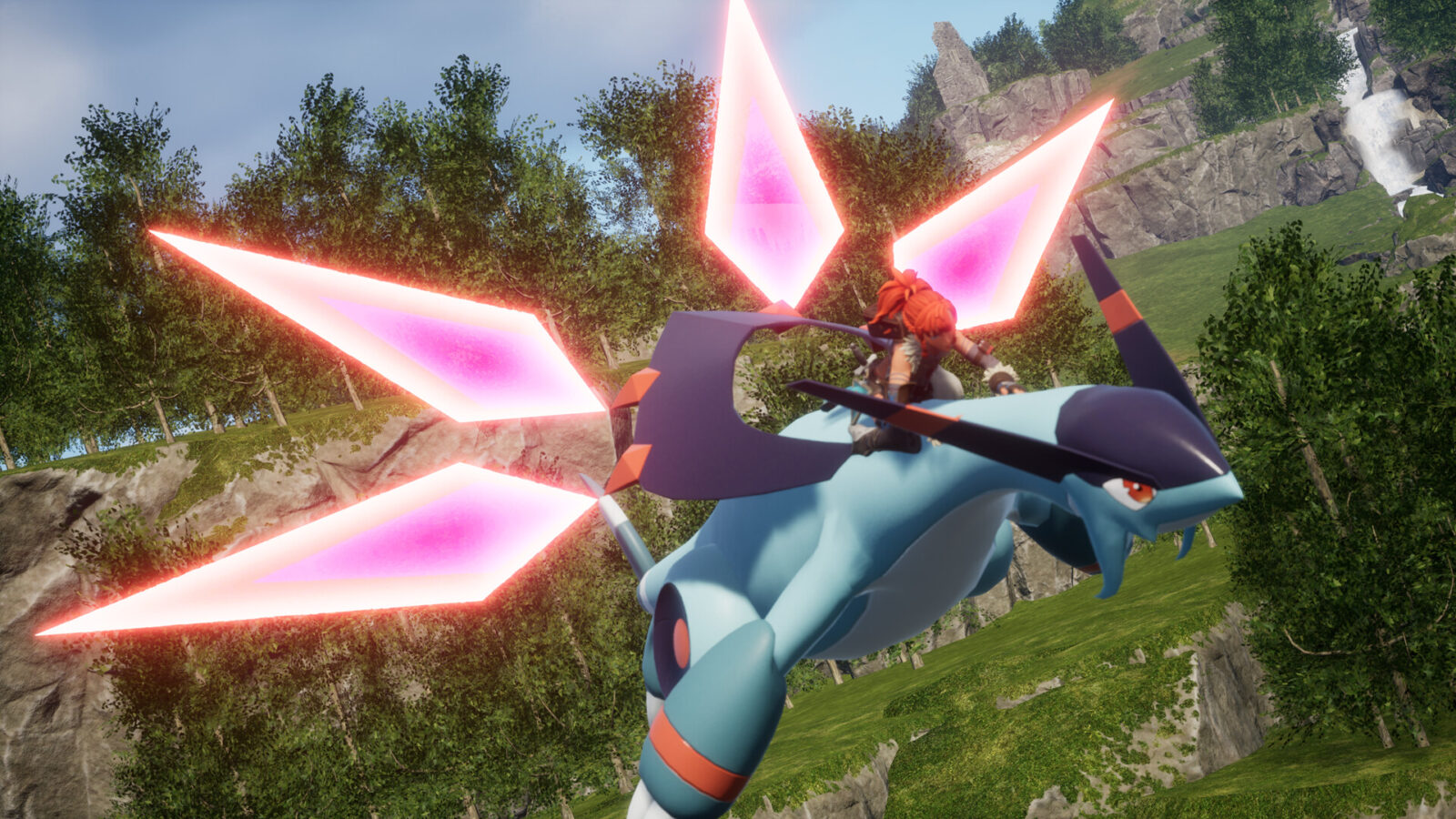
Exploration is where the world both shines and reveals its limitations. The map is enormous and filled with eggs, treasure, rare materials, and new Pals to capture. Environmental barriers force meaningful preparation. Heat-resistant gear becomes mandatory before you can safely traverse volcanic regions. Flying mounts open previously unreachable highlands. Certain bosses demand specific approaches that go beyond pure damage output. At the same time, large stretches of the landscape feel sparsely populated. Settlements are small and functional rather than lively. Vast islands sometimes exist primarily as map-completion chores rather than destinations with their own personality. The sense of a living world never fully materializes, and that emptiness becomes more noticeable the longer you play. Yet the constant pull of the next capture, the next region, and the next power spike is usually strong enough to keep you moving forward even when the scenery starts repeating itself.

The narrative framework exists mainly to give the loop a vague shape. You are directed to confront powerful rival tamers and eventually confront something ancient and unpleasant at the center of the world. The characters who deliver these objectives are forgettable, the dialogue is purely functional, and the emotional stakes never rise above the level of a convenient checklist. This is not a story-driven experience. It is a progression-driven one that happens to wear a thin narrative costume. Players looking for memorable supporting cast members or a plot that evolves alongside their power will leave disappointed. Players who treat the story as light scaffolding for the real meat of base expansion, creature raising, and territorial conquest will barely notice its absence.
Where Palworld truly flexes is in the long-term relationship it lets you form with individual creatures. You can grind duplicates to raise star ratings, feed consumables that permanently boost stats, and simply keep a favorite in your active party long enough for passive bond growth to accumulate. The result is that a mid-tier Pal you bonded with early can remain viable deep into the endgame if you are willing to invest in it. That flexibility is rarer than it should be in creature-collecting games, where meta pressure often forces everyone onto the same handful of legendary options. Being able to drag an early favorite through increasingly brutal post-story raids and still feel competitive is one of the quieter joys of the experience. It turns the collection into something more personal than a pure power checklist.
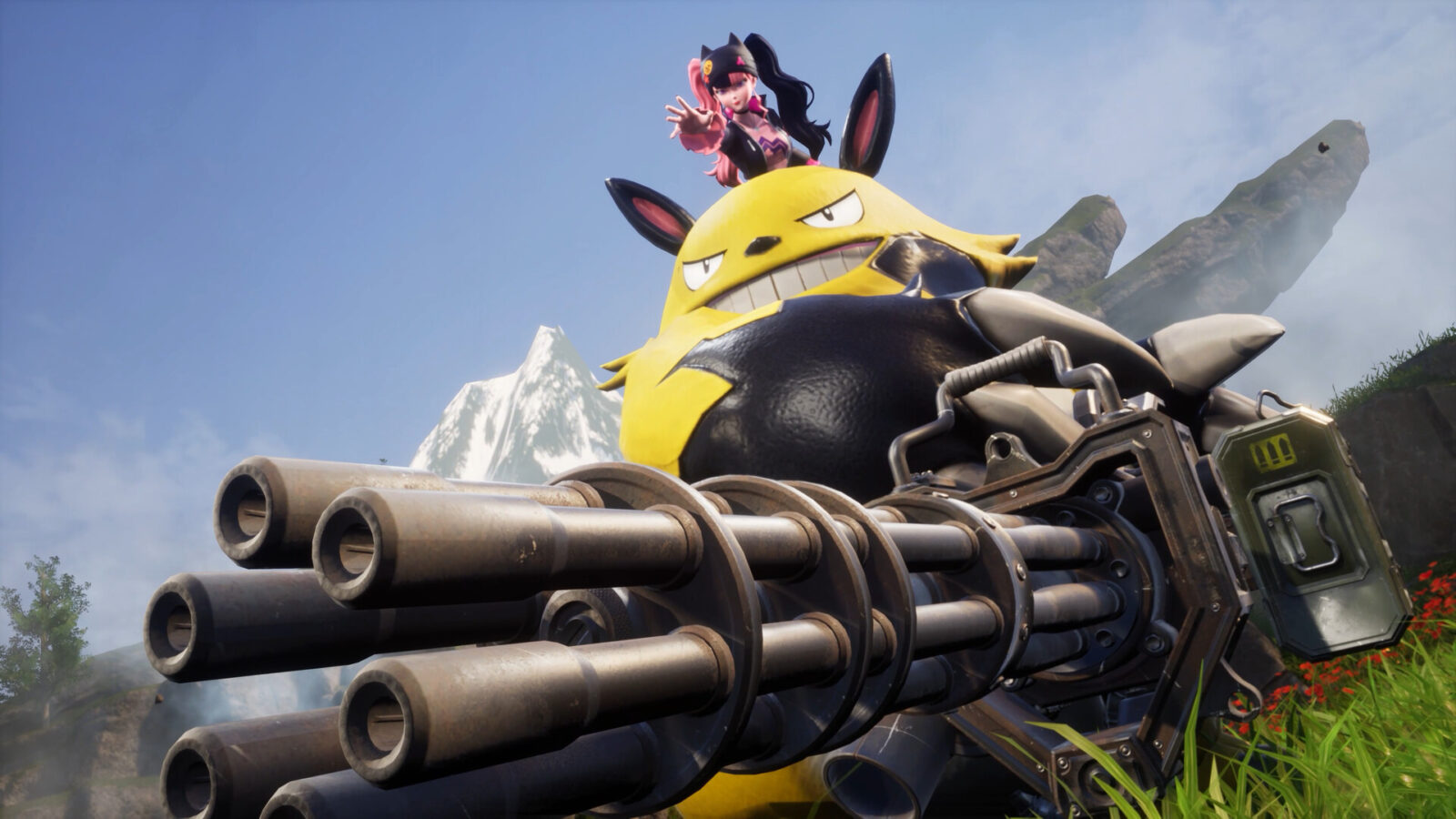
Endgame content leans hard into challenge. Harder versions of earlier bosses, large-scale raids that let you field an army of previously captured Pals, and rare resource sinks all exist to keep the most dedicated players busy long after the credits. Some of the grinding loops, particularly those that rely on random schematic drops, can feel monotonous. The Ancient Relic systems help offset that somewhat by providing a more consistent stream of high-end materials once you start clearing the toughest content. The overall package still rewards the kind of player who enjoys optimizing, theory-crafting teams, and chasing every last entry in the Palpedia.
Technical performance has improved significantly since the early days, yet it has not achieved complete smoothness. Frame-rate dips still appear when loading dense areas or when a large base is fully active. Pop-in remains noticeable while flying at high speed. These issues rarely ruin a session, but they do remind you that the game still carries some of the rough edges that defined its early-access period. The jank is no longer the defining characteristic, but it has not been entirely erased either.

What ultimately keeps the experience magnetic is the constant tension between affection and exploitation. You form genuine attachments to certain Pals. You name them, customize their roles, and feel a small surge of pride when a longtime companion finally survives a brutal raid. At the same time you are fully aware that their primary purpose is to work until their sanity collapses, at which point you can either rest them or, if you are feeling particularly ruthless, convert them into crafting materials. The game never forces you to confront that moral friction in any meaningful narrative way. It simply leaves the tension sitting there, and that quiet discomfort becomes part of the flavor. Few games let you feel both fond of and slightly guilty about the same creatures at the same time, and fewer still make both feelings feel earned rather than forced.

Co-op multiplies every high and every low. Building a shared industrial empire with friends turns the base into a chaotic social experiment. Combat becomes a symphony of overlapping abilities and overlapping gunfire. The usual friction of coordinating schedules is more than offset by the shared laughter that erupts when a carefully planned assault collapses into absolute mayhem because someone forgot to feed their water-type and the crops are now on fire. Solo play is perfectly viable and still highly addictive, but the game is at its loudest and most memorable when multiple players are contributing to the same escalating absurdity.
Verdict
Palworld has matured into a fully realized hybrid that understands exactly what it is and delivers that fantasy with surprising consistency. The creature-collection loop, the survival progression, and the industrial automation systems interlock tightly enough to create one of the most bingeable open-world experiences currently available. Remaining weaknesses in base-building tools, world density, and narrative ambition prevent it from reaching absolute excellence, yet those shortcomings feel secondary once the core loop has its hooks in you. This is a game that will happily consume an alarming number of hours while making you question your ethics as an employer of magical animals, and it does both of those things with enough charm and mechanical satisfaction that the time rarely feels wasted.