TL;DR: Black Torch brings a short-lived 2016 manga back with sharp personality, excellent cat-human banter, and solid early action. It feels like the missing link between older shonen and the current monster-fusion boom, and Rago alone makes it worth watching.
Black Torch
There are certain anime that arrive on the scene like they have been waiting in the shadows for the exact right moment, and Black Torch is one of them. While the summer 2026 slate is already packed with familiar heavy hitters and flashy new projects, this adaptation of Tsuyoshi Takaki’s short-lived manga feels different in the best possible way. It is not trying to reinvent the supernatural battle genre so much as remind everyone where some of its current DNA actually came from. Watching the early episodes, you get the distinct sensation of rediscovering a prototype that somehow never got its full due the first time around, only now it has the production muscle and timing to land properly.
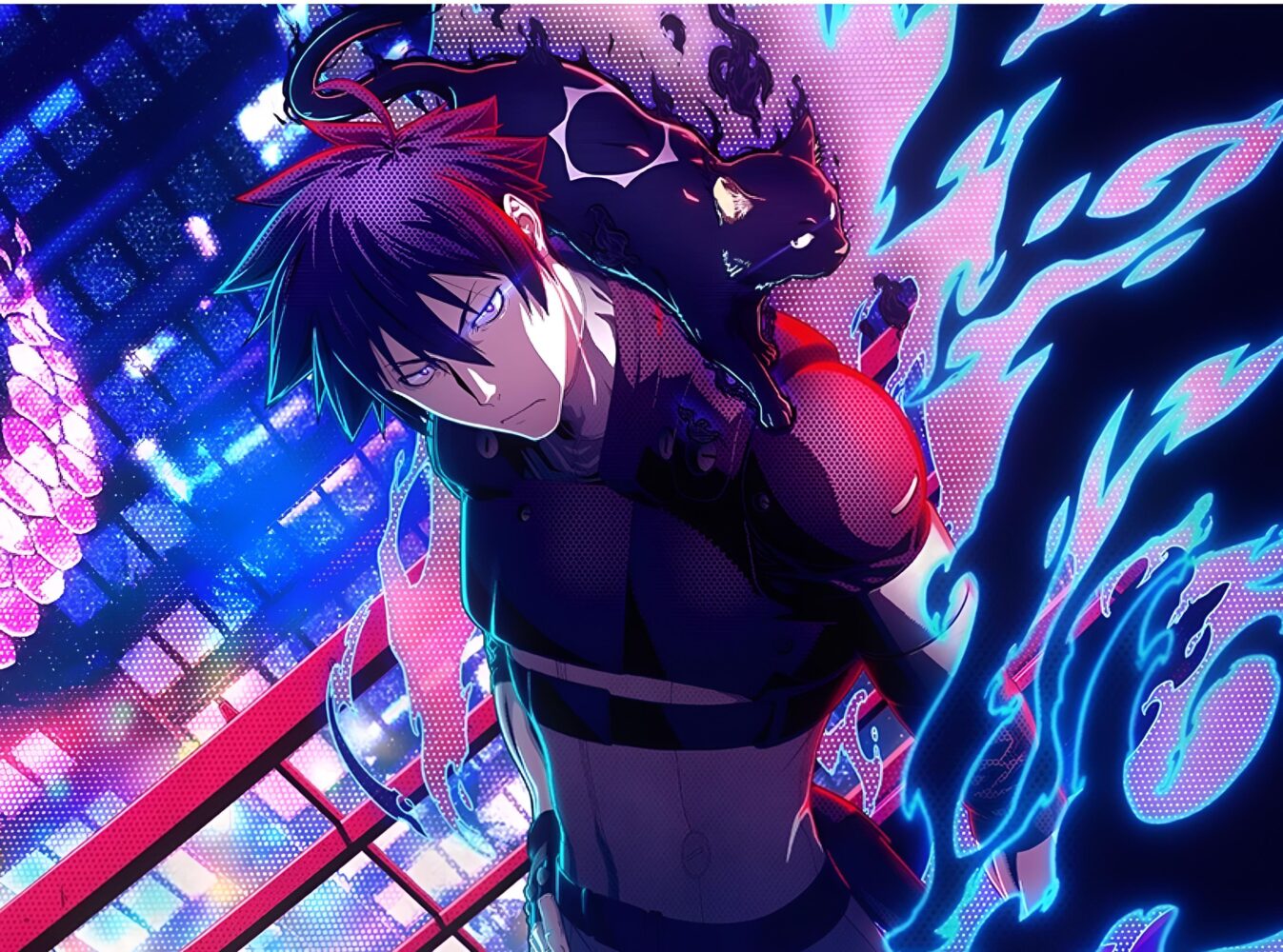
Jiro Azuma is the kind of protagonist who immediately feels lived-in rather than designed by committee. He is a high-school punk with real ninja training in his bloodline, the sort of kid who can dismantle a group of street toughs without breaking a sweat yet spends his quieter moments talking to neighborhood animals like they are old friends. That ability is not played for pure cuteness. It is the core of who he is, the thing that made him an outcast among other kids and the reason he ends up bonding with a dying black cat in the woods. When that cat turns out to be Rago, an ancient mononoke with power that other spirits are desperate to claim, the story snaps into place with surprising speed. Jiro dies protecting the creature. Rago, against every self-preserving instinct he has, fuses with the boy and brings him back. Suddenly the most powerful hybrid on the board is a loudmouthed teenager and a foul-mouthed feline sharing one body, and neither of them is particularly thrilled about the arrangement.
What makes the partnership work so well is how unapologetically messy it feels. Rago is not a silent power source or a cute mascot who occasionally offers wise advice. He is a grumpy, swearing, self-important spirit who treats Jiro like an inconvenient roommate he never asked for. Their constant back-and-forth provides the show with a steady current of humor that never undercuts the higher stakes. When demons start circling and a secret government bureau takes an aggressive interest in the pair, the banter does not vanish. It simply becomes the way these two process the fact that their lives have been permanently rewritten. That dynamic alone separates Black Torch from the cleaner, more polished power-up stories that followed it years later. You can feel the personality in every exchange, the sense that these two characters are stuck with each other and are slowly figuring out how to make it work without losing what makes them themselves.
The ninja element adds another layer that feels underused in recent supernatural shonen. Almost everyone of importance in this world comes from lineages trained in the old arts, so the fights are never just about raw monster power. There is technique, history, and a certain formal elegance mixed into the chaos. Jiro’s background means he is never a complete novice stumbling into greatness. He already knows how to move, how to fight, and how to protect the things he cares about. The mononoke fusion simply amplifies what was already there and forces him into a larger conflict he cannot ignore. The early episodes lean hard into that foundation, letting the action sequences breathe while still making room for the quieter moments of Jiro chatting with pigeons or remembering the dog who raised him more than most people ever did. Those smaller beats give the character a grounded empathy that makes his later recklessness feel earned rather than generic.
Animation-wise, 100studio is delivering a clean and energetic presentation that suits the material. The character designs keep the sharp edges and expressive faces of the original manga while giving the mononoke sequences room to feel genuinely otherworldly. The action has weight and clarity, and the sound design makes Rago’s voice work land with the exact mix of irritation and reluctant affection the character needs. Knowing that Takaki himself has stayed involved with the adaptation adds a quiet layer of reassurance. The source material was cut short after only five volumes, leaving plenty of threads unresolved. Whether the anime will expand the world or simply deliver a polished version of the existing story remains to be seen, but the early episodes already feel like they are treating the material with respect rather than simply mining it for tropes.
There is an undeniable irony in the timing of this adaptation. Black Torch arrived in 2016 with a premise that would later become almost standard issue for the genre, then faded while other series took similar ideas further and louder. Watching it now feels a little like finding an old prototype that somehow predicted the current wave of monster-fusion protagonists and secret organizations. Yet it never feels derivative, because it got there first and did so with a distinctly different personality. The cat is the star, the banter is the secret weapon, and the emotional core sits in the simple fact that Jiro’s greatest strength has always been his refusal to abandon the creatures other people overlook. In a genre that often prioritizes power scaling and tournament arcs, that quiet stubbornness still lands with surprising force.
Black Torch is not trying to dethrone the current titans of supernatural shonen. It is simply reclaiming its place in the conversation with style, humor, and a black cat who refuses to shut up. For anyone who has ever wanted their demon-partner stories to come with more personality and fewer chosen-one speeches, this one is already earning its weekly slot.