TL;DR: Anna’s trip into Max’s family trauma produces some of the season’s most unsettling character work and a chaotic boat climax, but the episode still rushes its biggest secrets and leaves the emotional weight of those reveals thinner than they should be.
Cape Fear
There is something uniquely unsettling about watching a character decide the only way to stop a monster is to go live inside his childhood trauma for a while. That is the gamble Anna takes in this penultimate hour of Cape Fear, and the episode spends most of its runtime showing just how badly that gamble can go when the monster’s family is still very much in the business of protecting him. What begins as a determined road trip toward the Cape Fear River quickly becomes a humid, booze-soaked, scar-filled descent into the Cady bloodline, and the result is less a clean confrontation than a messy collision of damaged people who all think they are the ones holding the only leverage that matters.
The show has always trafficked in the idea that Max Cady does not simply hurt people; he rewires them until their own worst instincts become his tools. Episode 9 takes that idea and applies it to the people who knew him first. Crystal, Robert, the scarred boy living under their roof, even the long-dead mistress whose trailer still functions as a shrine of newspaper clippings: every one of them has been shaped by Max’s particular brand of gravitational pull. Anna arrives armed and angry, certain she can extract the truth that will finally cut him off at the source. Instead she finds herself drinking with the sister, trading confessions over breakfast beers, and slowly realizing the insurance policies these people keep against Max may also be the chains that keep them bound to him. The river looks beautiful. The houseboat feels like a trap that has already sprung.
What elevates the hour beyond simple plot machinery is the way it lets the Cady family dysfunction breathe just long enough to become grotesque. Robert’s protective ferocity, Crystal’s practiced survival strategies, the quiet presence of the teenage boy whose body carries the same long scar that once appeared in old photographs: these are not background details. They are the living proof that Max’s damage did not start with the Bowdens. It started at home, and home is still very much open for business.
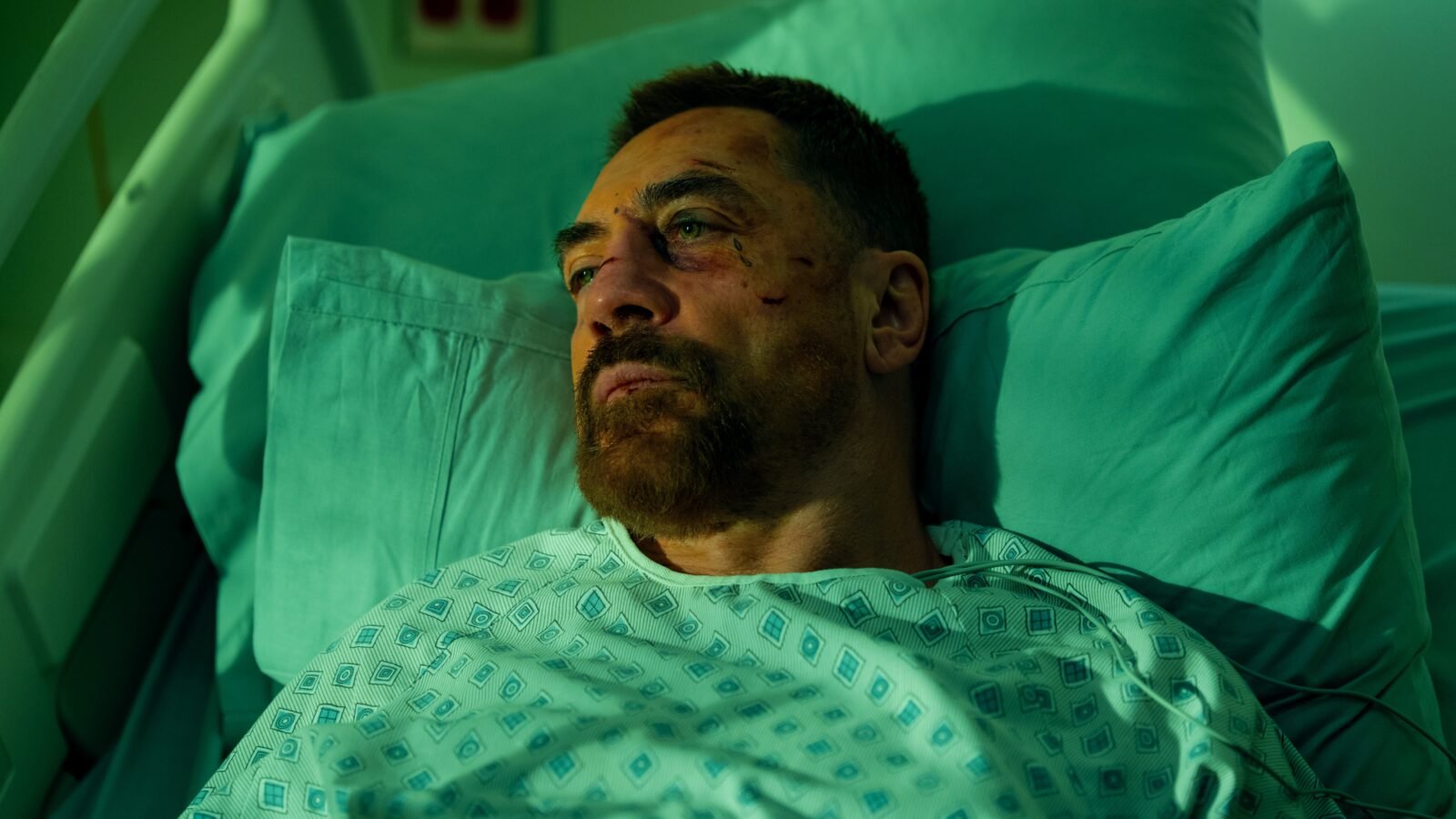
While Anna is busy poking the family hornet’s nest, Max continues his more familiar work of remote psychological warfare. The “gift” delivered to Tom’s cell is pure Cape Fear theater: a noose, a phone, and a voice on the other end calmly explaining that the only remaining way to protect the children is to finish the job Tom’s own brother once started. It is a cruel piece of stagecraft, and Patrick Wilson sells the quiet horror of a man who refuses to play the assigned role even as the walls close in.
Natalie’s side of the jailhouse storyline is messier and somehow more intimate. The hidden phone, the whispered promises of freedom and love, the order to kill so that Anna will finally understand the exact shape of Max’s grief: all of it lands with the ugly clarity of a recruitment speech. When Natalie finally forces the confrontation and the two young women end up tangled on the floor of a cell, the moment is equal parts power play and genuine confusion. Nevaeh’s confession that she did every terrible thing Max asked yet still wanted Natalie for herself is the kind of complicated loyalty the series has always handled best. It is also the moment the episode most clearly shows how thoroughly Max has colonized the people around him. Even the ones who think they are choosing for themselves are still moving inside his design.
The photographs in Amy’s trailer function like a slow-motion detonation. The boy with the scar running the length of his ribs, the childhood pictures of Crystal and Amy, the necklace that once belonged to Max’s dead wife: each discovery peels another layer off the story Anna thought she understood. By the time she is holding a gun on Crystal and locking her in the hold, the episode has fully committed to the idea that the real secrets were never about Max’s latest scheme. They were about the older, quieter crimes the family has been carrying for years.
The final stretch on the boat is where the hour finally stops talking and starts moving. Anna finds the hard drive of Max’s recorded conversations with Amy. Luke’s scar is recognized. The truth about parentage is flung into the open air like a grenade. Crystal’s knife goes through Anna’s hand. The teenage boy who has spent the episode mostly watching suddenly erupts at the two adults who raised him on lies. Anna’s dive into the river, Max’s arrival on the dock, the sense that every remaining player is now in the same few square feet of water and wood: it is the closest the episode comes to the propulsive chaos the series once delivered weekly. Even here, though, the emotional payoff feels slightly undercooked, as if the writers were more interested in lining up the pieces for the finale than in letting this particular explosion fully land.
Verdict
Episode 9 of Cape Fear is a family horror story dressed in the clothes of a thriller. It digs productively into the long history of damage that made Max possible, and it gives Amy Adams and Juliette Lewis room to play two very different kinds of desperation against each other. The jailhouse threads continue to tighten with genuine menace. Yet the hour still suffers from the same late-season impatience that has plagued recent episodes: major revelations arrive with less pressure than they deserve, and the final confrontation on the water feels more like a table-setting than a genuine climax. The pieces are now in place for a brutal finale. Whether the series can actually deliver one remains the only question that matters.