TL;DR: Ransom Canyon season 2 keeps the pretty faces and dusty scenery but loses the emotional stakes, narrative breathing room, and Western texture that made season 1 worth watching, leaving mostly recycled romance and diminishing returns.
Ransom Canyon season 2
I settled in for Ransom Canyon season 2 expecting the same dusty, sun-baked pull that made the first season feel like a guilty-pleasure escape into West Texas ranch life wrapped around tangled hearts. Instead I got a show that seemed determined to water down everything that once made those dusty roads feel alive. The premiere still carries the same handsome faces and wide-open landscapes, yet the emotional voltage that crackled through season 1 has been dialed so far back that the whole thing starts to feel like someone left the kettle on low and walked away. What was once a lively mix of modern Western grit and soapy romance now spends most of its eight-episode run circling the same emotional drain without ever really plunging in.
The first season had a certain generous breathing room. Ten episodes let the town of Ransom Canyon stretch its legs, letting land disputes, old grudges, and slow-burn longing actually simmer. Season 2 arrives shorter and tighter, and that compression shows in every hurried glance and repeated conversation. Characters who once felt like they had lived decades under the same wide sky now behave as if they met last week and still haven’t figured out how to talk to each other. The result is a strange sense of distance even when the camera stays locked on familiar faces. I kept waiting for the story to remember the weight of shared history, yet every new scene seemed content to reset the emotional clock rather than build on what already existed.
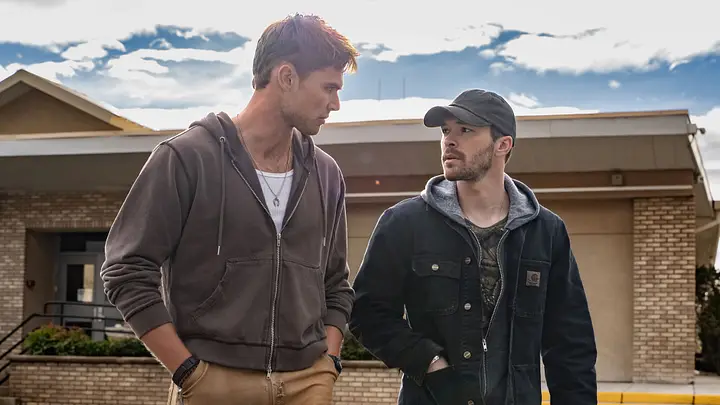
Josh Duhamel’s Staten Kirkland and Minka Kelly’s Quinn O’Grady still occupy the center of the romantic weather system, but their push-and-pull has lost the spark that once made their hesitation feel charged instead of exhausting. Season 1 knew how to make silence speak volumes. Season 2 fills that silence with the same arguments recycled until the words lose meaning. Watching them circle each other again starts to feel less like forbidden longing and more like two people stuck in a traffic pattern they refuse to exit. The supporting pairings suffer the same fate. Lucas and Lauren, once a bright spot of earnest young affection, take a turn that feels both forced and oddly uncomfortable, as if the writers decided the only way to keep the story moving was to twist something pure into something complicated for complication’s sake.
New faces arrive to stir the pot, yet most of them feel like temporary seasoning rather than real ingredients. Patricia Clarkson’s Claire drifts in and out without ever claiming the space her presence suggests she should own. Ben Robson’s Oliver, the polished outsider, seems imported mainly to make Staten scowlingly protective, and the subplot involving Yancy’s new wife never quite lands as the clever power play it wants to be. These additions should have injected fresh energy into a world that already felt lived-in. Instead they highlight how little room the season has left for anyone to breathe. The town itself starts to feel smaller, its ranching concerns and quiet political undercurrents reduced to background noise while the camera lingers on another round of heartfelt declarations that never quite land.
What I missed most was the sense that something irreversible could happen at any moment. Season 1 understood the value of a well-timed crisis, the kind that forces every character to reveal who they really are under pressure. Season 2 trades that urgency for an endless parade of soft-focus conversations and lingering looks. Ranch life, once a living character in its own right, becomes little more than pretty scenery. The land that Staten fought so hard to hold onto last season now sits quietly in the background while the story prioritizes another round of romantic confusion. I found myself craving the kind of storm, literal or emotional, that once made an entire episode crackle. Instead the narrative keeps choosing the safer, softer path, and the safety eventually starts to feel like stagnation.
The cast remains one of the series’ strongest assets. Duhamel still carries the quiet authority of a man who has seen too many hard seasons, and Kelly continues to radiate that combination of strength and vulnerability that made Quinn interesting in the first place. The problem is not the performances. The problem is that the material no longer trusts those performances to carry real complexity. Characters who once felt three-dimensional now function more like vessels for pure feeling, stripped of the sharper edges and private contradictions that made them human. When people who have known each other for years keep having the same surface-level talks, the illusion of a tight-knit community begins to fray. You start noticing the seams.
Ransom Canyon still looks beautiful. The Texas light still hits the fences and the bar stools just right, and the production design continues to sell the fantasy of a place where old wounds and new desires can coexist under the same big sky. Yet beauty alone cannot carry a story that has lost its appetite for genuine risk. The first season managed to blend romance, Western texture, and just enough crime and land drama to feel fuller than the average streaming soap. Season 2 seems content to lean almost entirely on the romance, and in doing so it forgets that the romance only worked because it was set against something larger. Without that larger frame, the feelings start to float free of consequence, and floating free eventually becomes boring.
I wanted this season to dig deeper into the lives these people have built, the costs of staying, the quiet ways a place can both hold you and hold you back. Instead it keeps returning to the same emotional intersections as if repetition itself might somehow create intensity. It doesn’t. The result is a sophomore effort that feels thinner, safer, and strangely less invested in its own world than the show that first introduced us to these characters. The talent is still there. The setting is still rich. What is missing is the courage to let the story breathe, complicate, and occasionally break.