
TL;DR: A brilliantly expressive and deeply satisfying fighting game whose inventive movement systems and character kits more than compensate for its incomplete training tools, thin single-player options, and missing online features.
Avatar Legends: The Fighting Game
There is a particular kind of magic that happens when a fighting game stops feeling like a collection of buttons and starts feeling like an extension of the characters themselves. Avatar Legends: The Fighting Game delivers that magic in spades. Every leap, every slide, every sudden shift in momentum carries the same kinetic joy that made the animated series feel alive on screen. You are not simply pressing inputs. You are bending the very rules of the arena the same way these characters once bent the elements. The result is a fighter that feels less like a traditional competitive title and more like an invitation to play inside the world you already love, only now the stakes are measured in frame data and creative expression rather than narrative arcs.
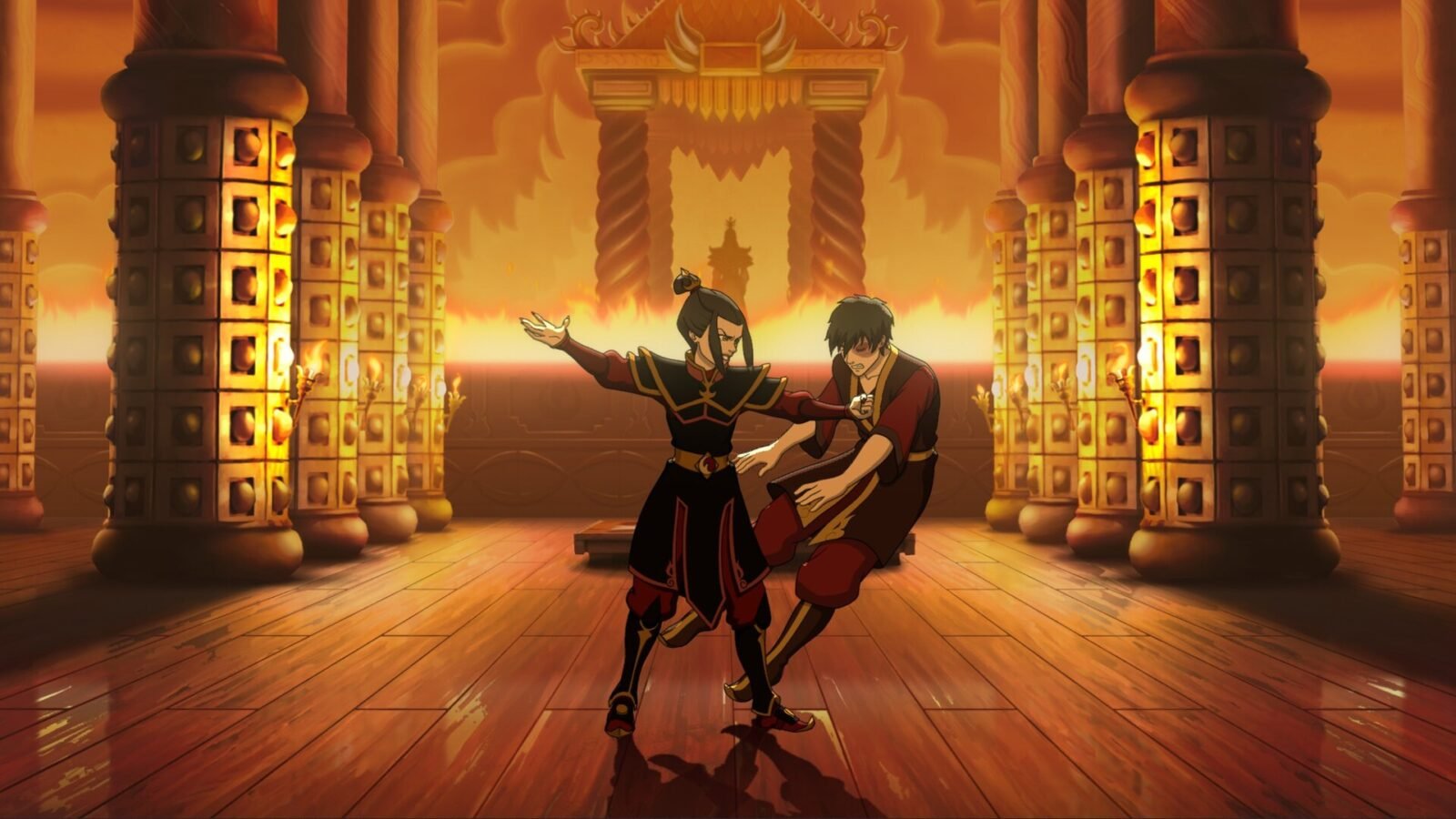
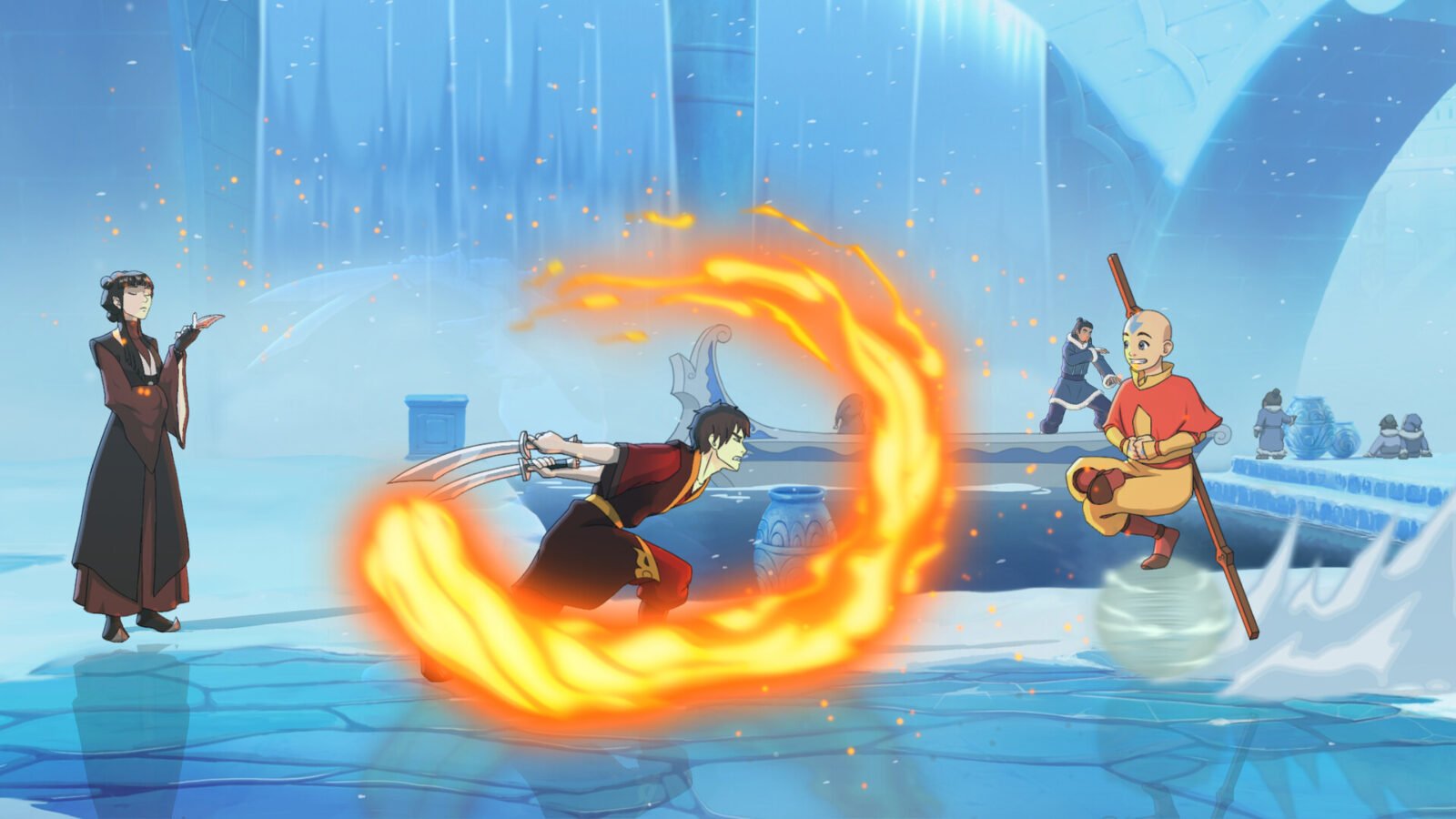
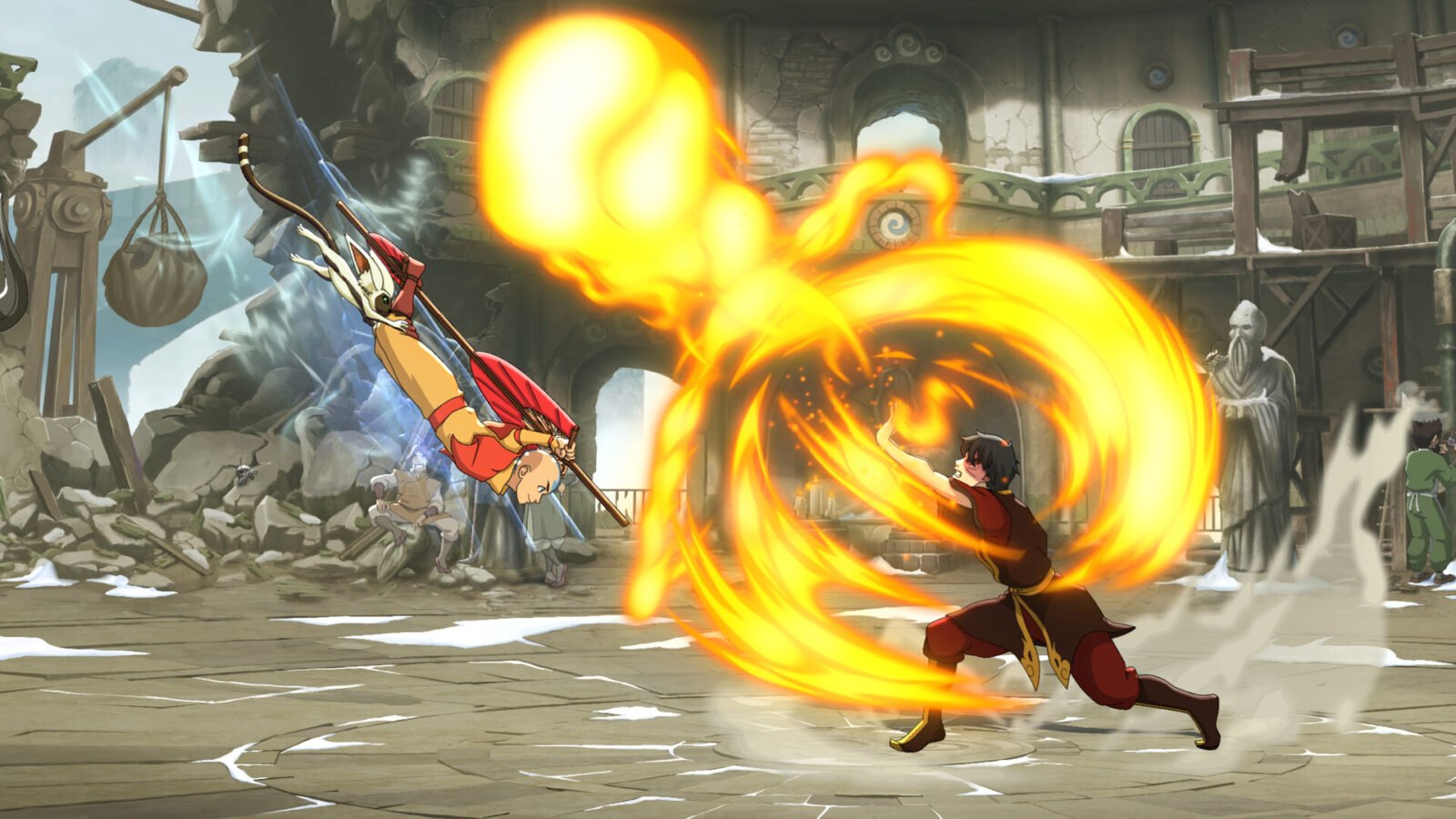
What makes the experience so immediately gripping is how the movement itself becomes the star. The Flow system is not some bolted-on meter that occasionally lets you do something flashy. It is the beating heart of every match. Each character carries a completely distinct way of navigating space, and learning those options feels like unlocking a new form of expression rather than memorizing a checklist. Aang does not simply hop or glide. He turns the entire screen into a playground of awkward angles and sudden momentum shifts that force opponents to second-guess every approach. Azula does not merely dash. She rewrites the concept of aerial freedom in ways that feel both elegant and terrifying depending on which version of her you are facing. Toph does not just reposition. She treats the ground itself as a weapon and a highway at the same time. These are not slight variations on a shared template. They are complete philosophies of motion given digital form.
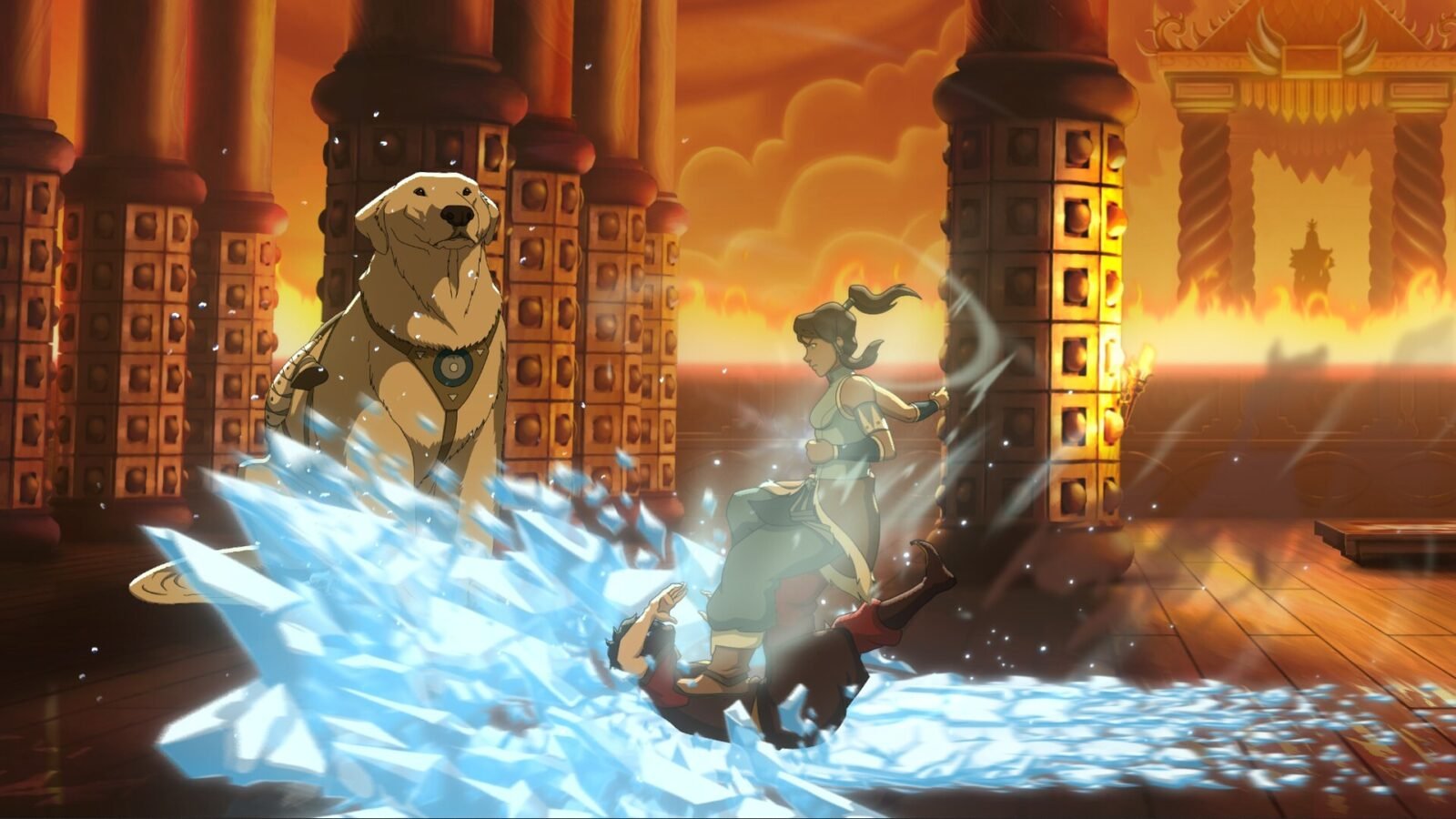
The deeper you dig, the more the combat system reveals itself as a conversation between resources and risk. The energy meter is segmented and deliberately stingy in a way that forces constant micro-decisions mid-combo. You earn points carefully, spend them deliberately, and occasionally gamble everything on a single high-reward sequence that can swing a round or leave you completely exposed. That tension is delicious. It rewards the player who understands not only how to execute but when to hold back. Combined with the Flow meter, the game creates a constant push and pull between aggressive expression and careful resource management that few modern fighters manage to balance so elegantly.
Character Kits That Feel Like Personality Given Form
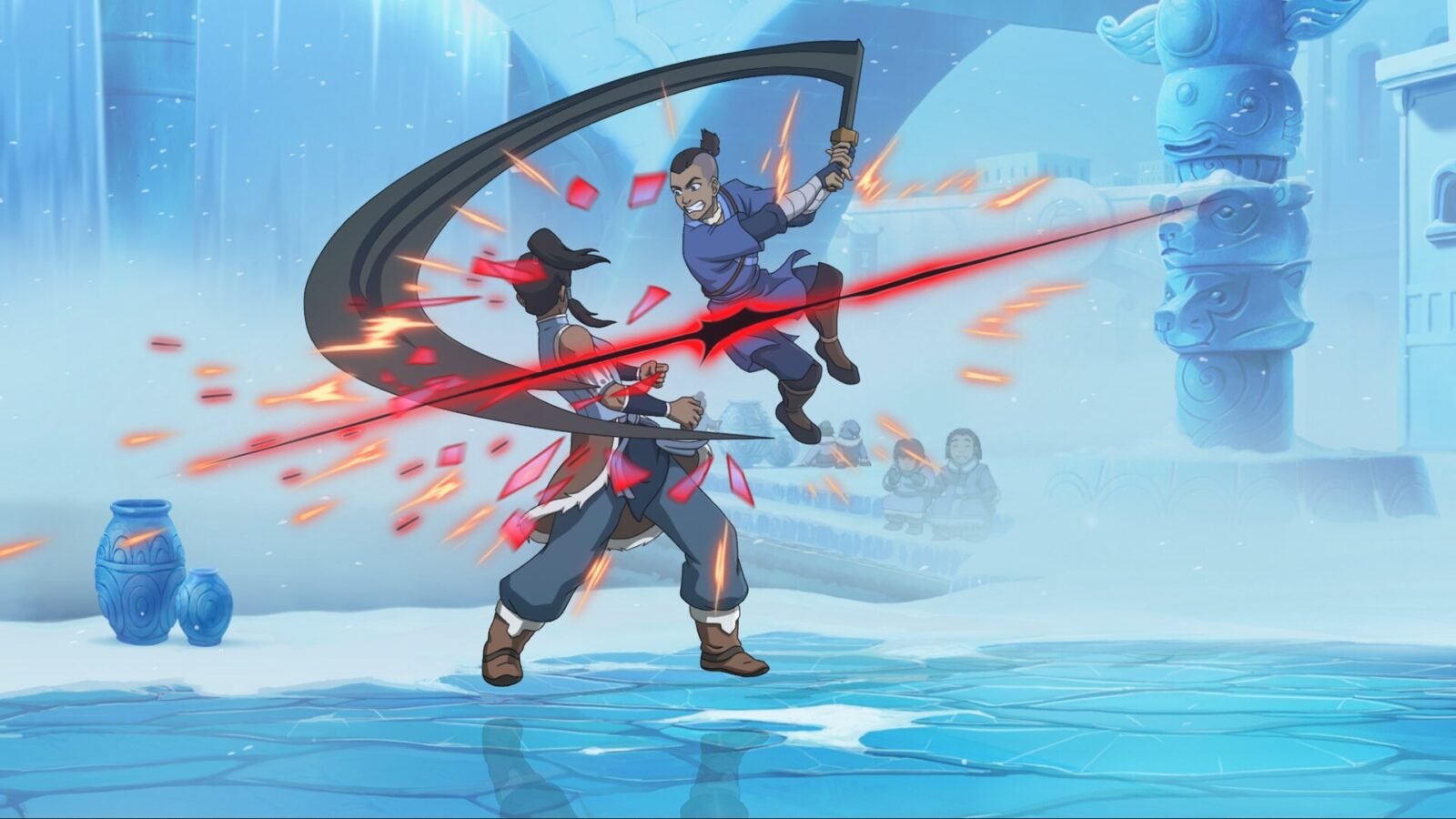
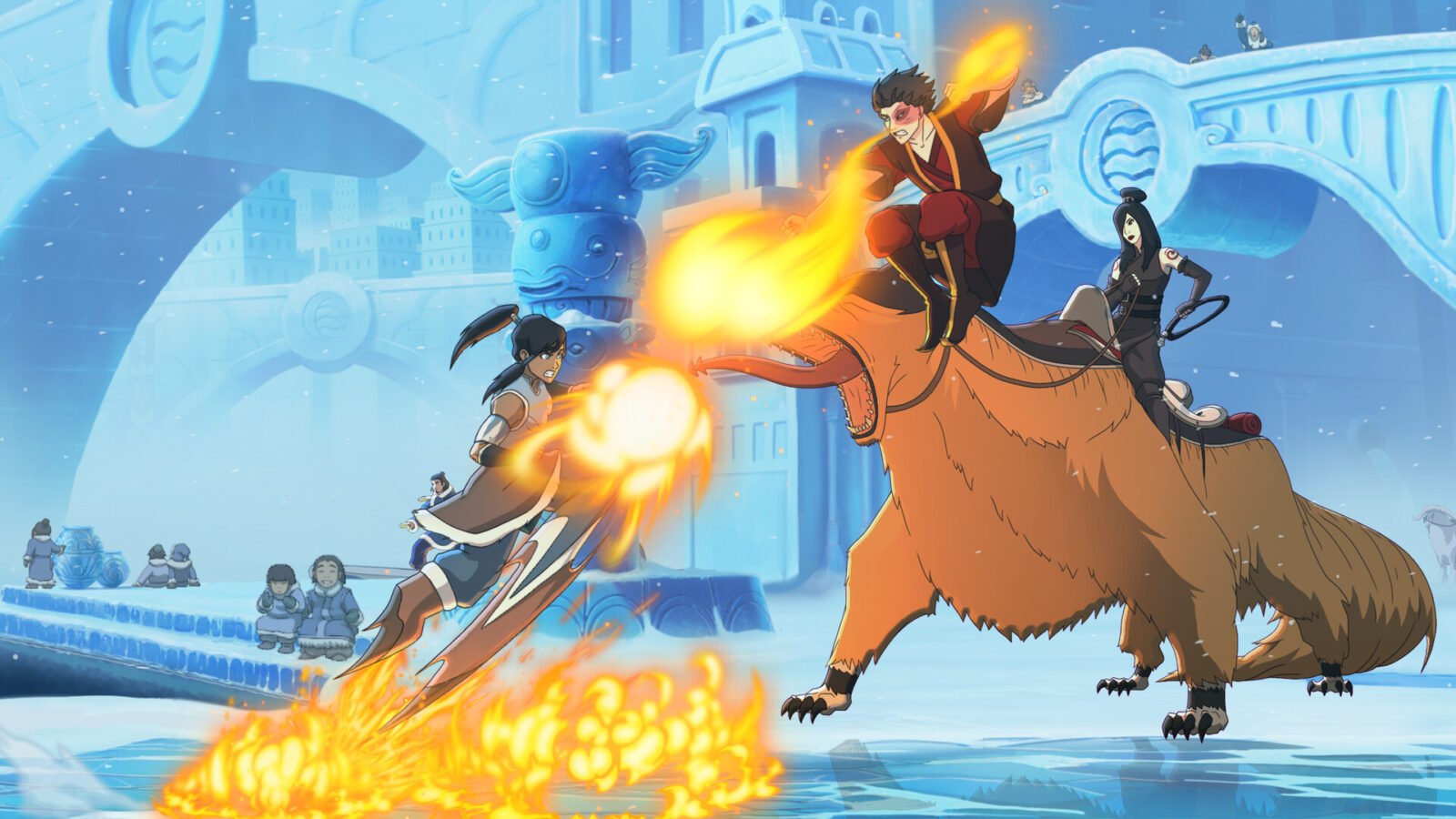
The roster may look modest on paper, yet the support system and the way each fighter’s tools mirror their canonical selves make the selection feel far richer than the raw number suggests. Korra hits exactly the way you expect her to. She is powerful, direct, and occasionally reckless. Her highest damage routes demand real commitment and can leave her unbalanced if she empties her Flow meter at the wrong moment. That risk is not a design flaw. It is characterization through mechanics. Playing her well means accepting the same hot-headed overconfidence that defined her early adventures, then learning how to channel it without self-destructing.
Azula’s dual forms take the idea even further. One version demands near-perfect timing and surgical precision, reflecting the cold control she maintained for most of her story. The other version throws that precision away and turns her into a close-range force of nature that overwhelms through sheer pressure and altered movement. Switching between them mid-session feels like watching the character’s internal struggle play out in real time. The support characters layered on top of every kit expand those identities further, unlocking new routes, new specials, or refined movement options that keep the same twelve fighters feeling fresh long after the initial novelty wears off.
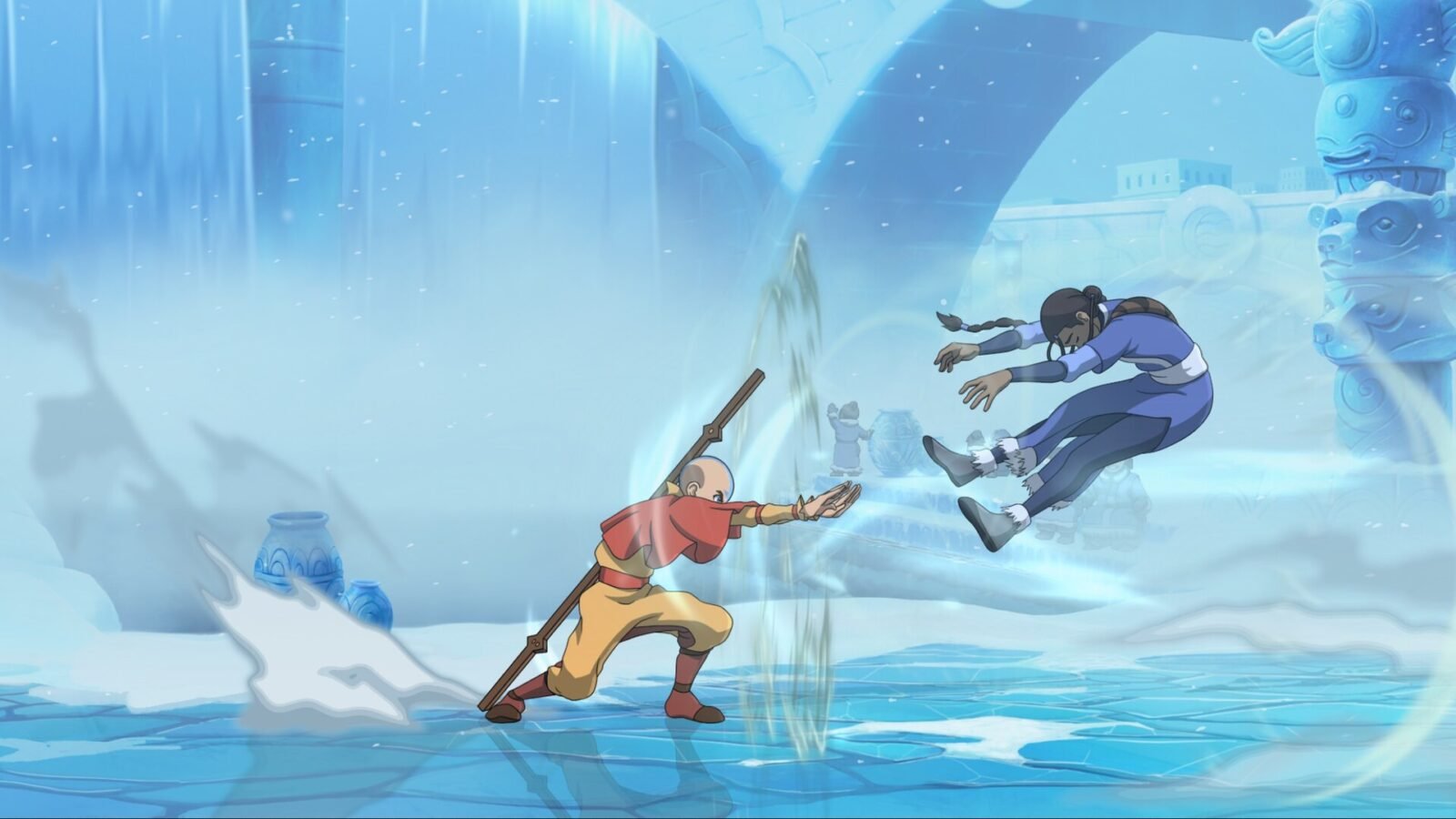
What stands out most is how rarely the game relies on universal systems to create depth. There is no single dominant mechanic that every character leans on equally. Instead the depth lives inside the individual kits. Learning a new fighter means learning an entirely new relationship with the screen, the meter, and the opponent. That approach demands more from the player early on, yet the payoff is genuine mastery rather than the temporary satisfaction of memorizing shared tools.
The Training Grounds and the Gaps Between Them
Getting comfortable with all that expression requires good tools, and the game’s approach to teaching is a fascinating mix of brilliance and frustration. The frame meter running by default is an immediate gift. Seeing the data while you experiment accelerates understanding in a way that still feels rare. Hitbox visualization is another thoughtful inclusion that helps players grasp range and vulnerability without needing external resources. The character-specific tutorials that go beyond simple combo lists and actually demonstrate how to pressure, mix, and defend using a fighter’s unique tools are genuinely progressive design. More games should steal that idea.
Yet the training mode itself often feels like it was designed by someone who never had to practice hit confirms under pressure. Setting the dummy to perform basic responses after blocking requires more menu navigation than it should. The absence of a simple random block option turns an essential practice habit into an unnecessary chore. Combo trials do a solid job at the lower ranks and the step-by-step breakdown feature is clever, freezing the action so muscle memory can form without the stress of perfect timing. Still, the overall package leaves the impression that the systems teaching you how to play were not given the same obsessive care as the systems that make the combat itself so special.
Single-player content outside of the tutorials follows a similar pattern of high ambition meeting incomplete execution. The story mode carries genuine pedigree in its writing credits and offers a handful of amusing callbacks and solid voice work. The alternate-universe premise, however, never quite escapes the feeling of extended fanfiction. By the midpoint of its lengthy chapter count the novelty has worn thin, and the lack of any difficulty adjustment for the AI turns many encounters into either trivial exercises or sudden walls depending on which character you are learning. Arcade mode exists, yet without the ability to tune the challenge it serves more as a quick way to see the cast in motion than as a meaningful single-player destination.
Online Play That Almost Feels Complete
The online experience is where the game’s strengths shine brightest and its omissions sting the hardest. Rollback netcode feels smooth and responsive. Load times are short. Rematches arrive quickly. Returning to practice after a disconnect is nearly instantaneous. Matches themselves maintain the same energetic pace that makes offline play so addictive. For pure one-on-one competition the foundation is excellent.
The missing pieces are harder to ignore. Lobbies that only support two players at launch feel like an oversight in a genre where watching friends trade sets and waiting your turn is half the social fun. Replay search and takeover tools that help players study high-level approaches are simply absent. These are features that modern fighters have trained audiences to expect, and their absence creates friction for anyone trying to improve beyond pure muscle memory and trial-and-error ranked matches. The developers have indicated some of these gaps will close after launch, yet launching without them still leaves the competitive side feeling unfinished in ways that the core combat does not.
Verdict
Avatar Legends: The Fighting Game stands as a passionate, high-skill celebration of creative movement and character-driven combat that captures the spirit of its source material better than almost any adaptation has managed. The systems around the fighting itself still need work, particularly in training tools, single-player flexibility, and online social features, yet the pure joy of learning and expressing yourself through these kits is powerful enough to carry the experience for anyone willing to meet the game on its own demanding terms.