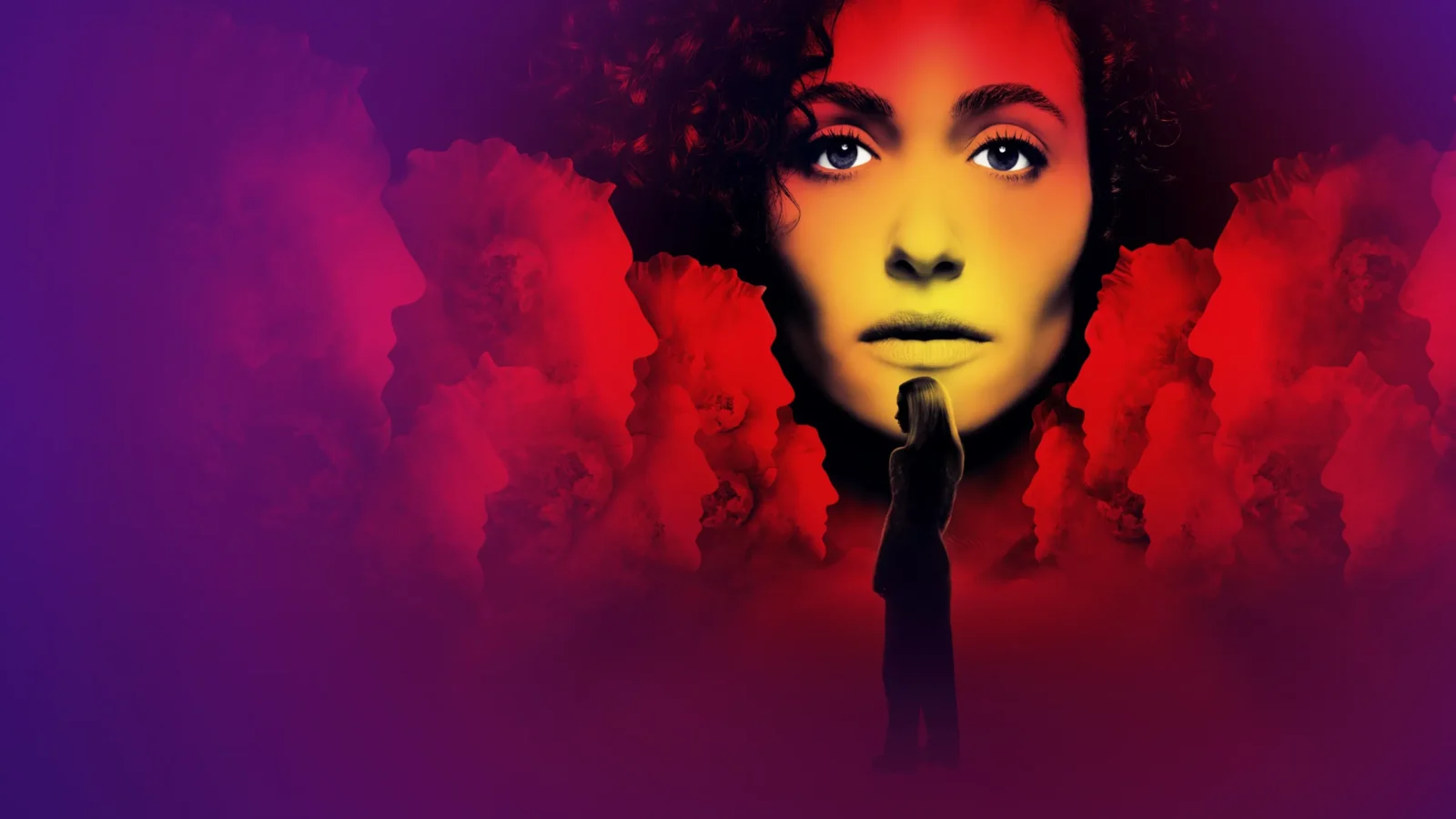
TL;DR: Furious is a raw, character-driven crime thriller elevated by Emmy Rossum and Lola Petticrew’s powerhouse performances. It smartly explores trauma, power imbalances, and female rage beyond standard cat-and-mouse tropes, delivering an addictive, thought-provoking season despite minor thematic stumbles. Essential viewing for fans of intense dramas with heart.
Furious
Furious, doesn’t just dip its toes into the murky waters of revenge and justice—it plunges headfirst into the raw, unflinching realities of trauma, exploitation, and the simmering rage that builds when systems fail the vulnerable. From the very first episode, I found myself hooked not by flashy chases or predictable procedural beats, but by the way the series peels back layers of human suffering with a surgeon’s precision and a storyteller’s heart. Created by Elizabeth Meriwether, this eight-episode season reinvents familiar genre tropes into something far more intimate and disturbing, forcing viewers to confront uncomfortable truths about privilege, abuse, and the blurred lines between hunter and hunted. As someone who’s devoured countless cat-and-mouse tales over the years, from classic noirs to modern streaming gems, Furious stands out because it refuses to let its characters—or its audience—off the hook easily.
What makes Furious resonate so powerfully is its commitment to exploring the psychological wreckage left in the wake of unchecked power. The story centers on FBI agent Alice Black, portrayed with devastating intensity by Emmy Rossum, whose career has been sidelined after a toxic relationship with a superior unravels in ways that echo far beyond the office. Rossum brings a lived-in authenticity to Alice’s struggles, capturing the quiet moments of dissociation and explosive releases of pent-up fury that feel achingly real. Paired against her is Lola Petticrew as Catherine Grace, a seemingly unassuming young woman whose calculated vengeance targets the city’s elite men hiding monstrous secrets. Their parallel journeys create a magnetic tension that drives the narrative forward, even as the series smartly subverts expectations of a straightforward thriller. Instead of relentless action, we get deep dives into backstories, moral ambiguities, and the heavy cost of survival in a world stacked against women.
Emmy Rossum delivers what might be her most compelling work since her Shameless days, transforming Alice into a woman whose professional facade cracks under the weight of invisible scars. You see it in the way she carries herself through sterile FBI offices or tense crime scenes—the subtle tremors, the forced composure that shatters in private. It’s the kind of performance that lingers because it mirrors experiences many viewers might recognize from their own lives or those close to them, turning what could have been standard cop drama fare into a profound character study. Rossum doesn’t just act the trauma; she embodies its ripple effects on relationships, career, and self-worth with a vulnerability that feels both courageous and cathartic.
Lola Petticrew matches that fire as Catherine, bringing a chilling precision to a role that could easily have veered into caricature. Her diminutive presence becomes a weapon, disarming targets who underestimate the quiet storm brewing beneath the surface. Watching Petticrew navigate Catherine’s moral universe is like witnessing a masterclass in understated menace mixed with surprising humanity. The supporting cast elevates everything further: Quincy Tyler Bernstine as the sharp-tongued Nora Washington injects welcome wit and steel into investigative scenes, while Scoot McNairy’s Danny Kelly offers a tender counterpoint, hinting at healing possibilities amid the chaos. Jake Lacy’s turn as the charismatic yet deeply flawed Marshall adds layers of toxicity that complicate Alice’s world without easy resolutions. Together, this ensemble crafts a rich tapestry where every player feels essential to uncovering the city’s rotten core.
One of the smartest moves Furious makes is shifting its biggest surprises away from contrived plot reveals and toward profound character evolutions. As the investigation into serial killings linked to powerful figures unfolds, the series reveals how trauma shapes decisions in unpredictable ways, making Alice and Catherine feel like fractured mirrors of each other. This approach keeps the tension high without relying solely on procedural twists, allowing room for thoughtful explorations of trafficking, abuse, and institutional blind spots. I appreciated how the show doesn’t shy away from the darker undercurrents of New York’s elite circles, painting a portrait of entitlement that feels timely and terrifyingly plausible.
Yet, for all its strengths in character-driven storytelling, Furious occasionally stumbles when tackling broader themes around sex work and exploitation. While it powerfully indicts systemic failures and the horrors of trafficking, the narrative sometimes blurs lines in ways that could benefit from more nuance. Still, these moments don’t derail the overall momentum, especially as the season builds to a finale that packs an emotional wallop. The blend of gritty drama, occasional dark humor, and subtle romantic undercurrents creates an addictive viewing experience that had me reflecting on the episodes long after the credits rolled.
In an era where streaming is flooded with glossy procedurals, Furious carves out space by prioritizing emotional truth over spectacle. Its inspiration from classic neo-noir like Black Widow is evident but transformed into something distinctly modern—less about glamorous intrigue and more about the exhausting reality of fighting shadows both internal and external. As a geek who loves stories that interrogate power structures while delivering thrills, I found myself cheering for its bold swings even when they didn’t always land perfectly. The series excels at making you care deeply about its flawed protagonists, turning their pain into something universally relatable.
The production values support this intimacy beautifully, with tight direction that lingers on faces and silences as much as it does on tense confrontations. Meriwether’s vision shines through in the way dialogue crackles with authenticity, balancing heavy subject matter with flashes of levity that prevent the show from becoming unrelentingly grim. It’s the kind of series that sparks conversations about justice, forgiveness, and the limits of vengeance, making it more than just another crime drama—it’s a mirror held up to society’s uncomfortable truths.
Verdict
Furious emerges as a gripping, character-rich thriller that transcends its genre trappings through powerhouse performances and unflinching emotional depth. While it navigates some thematic complexities with mixed success, the raw humanity at its core makes it a standout Hulu offering worth diving into. Rossum and Petticrew anchor a story that feels vital, delivering rage, resilience, and redemption in equal measure.