

Samsung has updated its foldable smartphone lineup, introducing three distinct hardware variations: the standard Galaxy Z Fold8, the productivity-focused Galaxy Z Fold8 Ultra, and the compact Galaxy Z Flip8. The expanded portfolio reflects a strategic shift toward catering to specific form-factor preferences rather than offering a single flagship foldable. Each model runs on Android 17 with One UI 9, integrating deeper background automation features through Gemini Intelligence and refreshed system diagnostic tools.
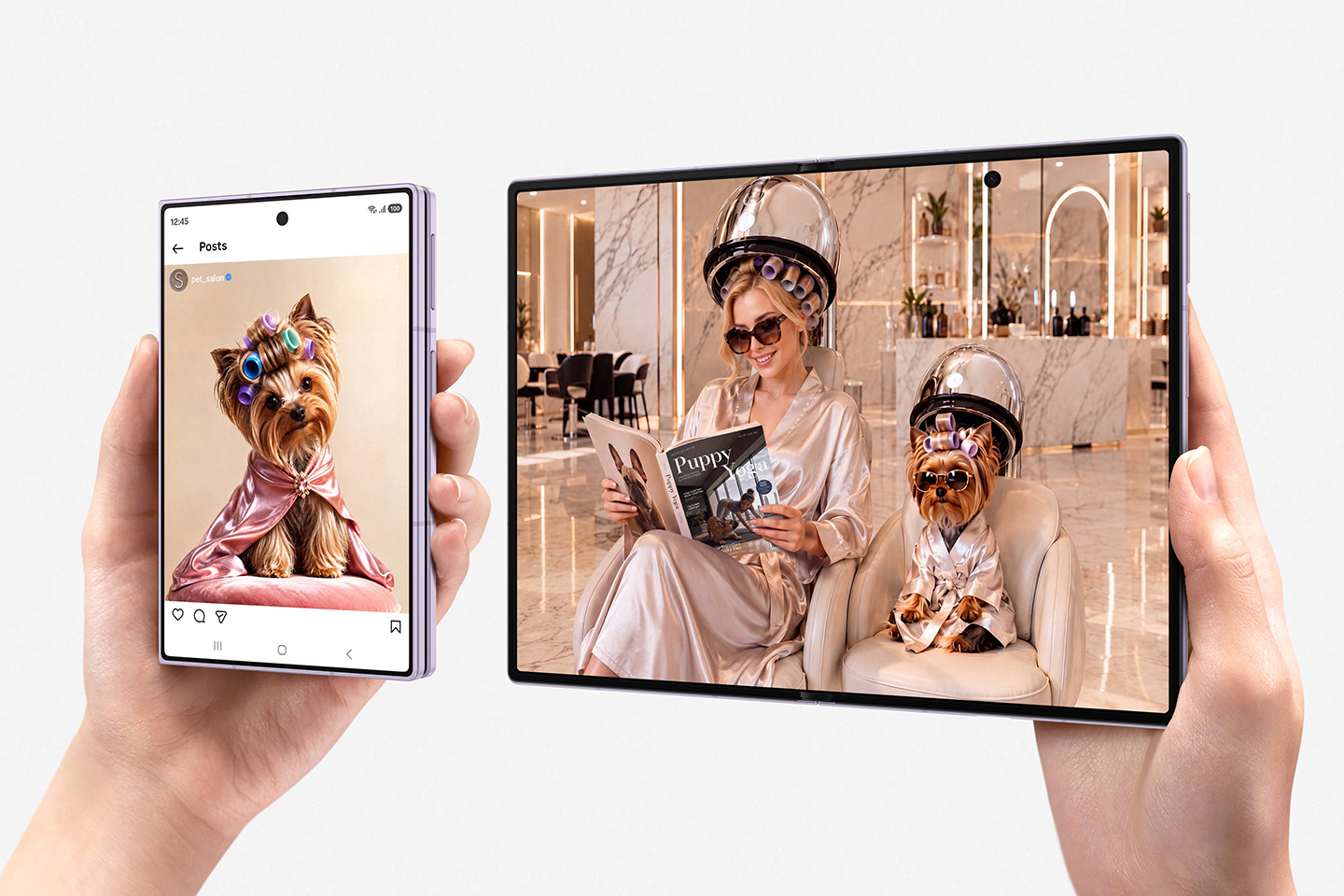
The standard Galaxy Z Fold8 introduces revised display proportions aimed at improving everyday usability. The external panel now features a 10:16 aspect ratio across a 5.5-inch cover screen, transitioning to a 7.6-inch main display with a 4:3 aspect ratio when opened. At 201 grams, the chassis is lighter than previous generations, housing a 4,800 mAh battery and a Snapdragon 8 Elite Gen 5 processor. Underneath the panel, a titanium-alloy support structure termed Flex Titanium aims to distribute mechanical stress and minimize crease visibility over extended folding cycles. Camera hardware consists of dual 50-megapixel primary and ultra-wide sensors, removing dedicated optical zoom to prioritize a slimmer 9.7 mm folded profile.
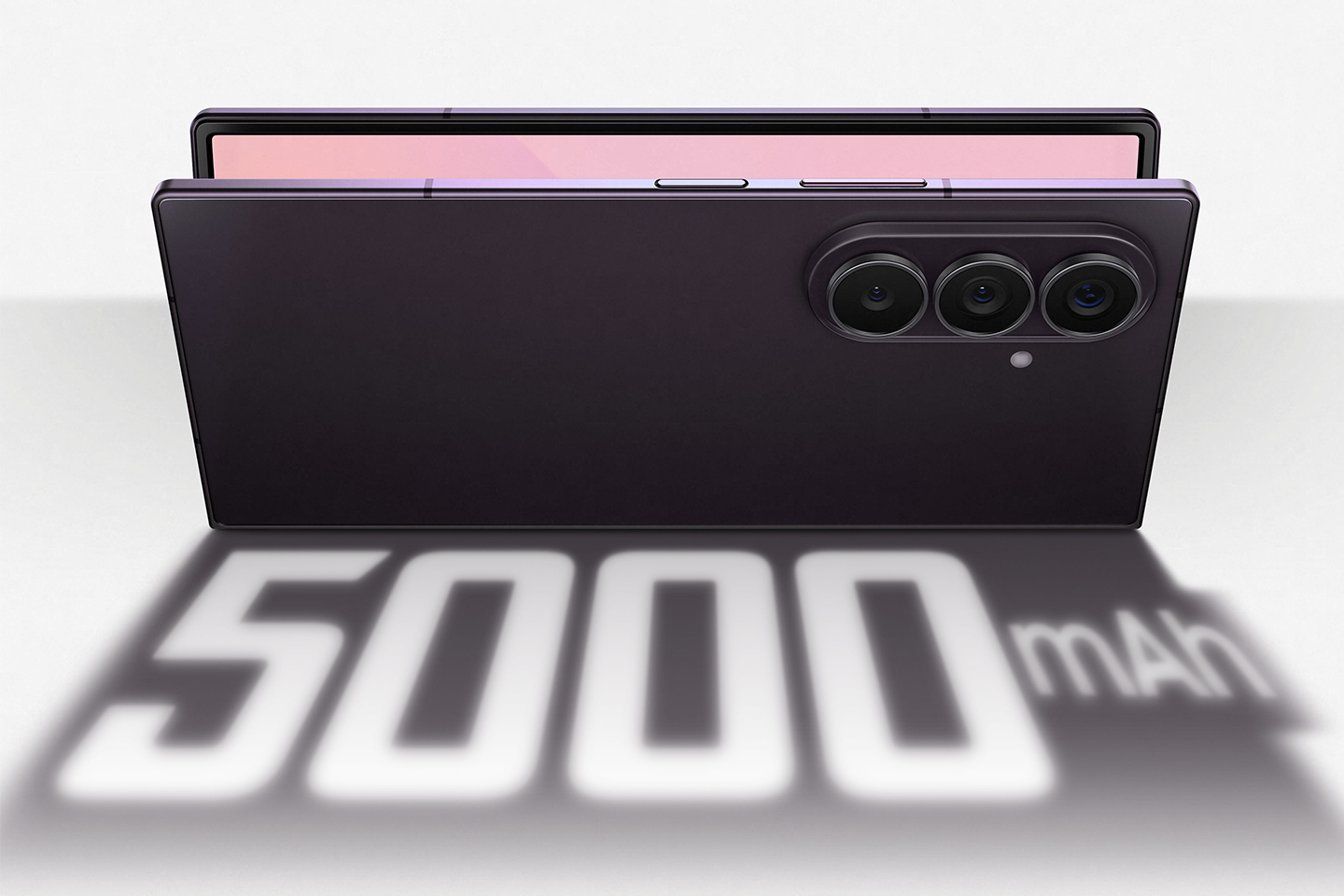
For power users, the Galaxy Z Fold8 Ultra functions as the top-tier offering, expanding the internal display to 8.0 inches while dropping the unfolded thickness to 4.1 mm. The Ultra model incorporates a 200-megapixel main camera sensor alongside a 50-megapixel ultra-wide and a 10-megapixel 3x telephoto lens. Powering the chassis is the same Snapdragon 8 Elite Gen 5 silicon, paired with a larger 5,000 mAh battery supported by a dual-path 45W charging architecture and an expanded graphite heat spreader. Storage options scale up to 16 GB of memory with 1 TB of onboard capacity to handle demanding local processing workloads.
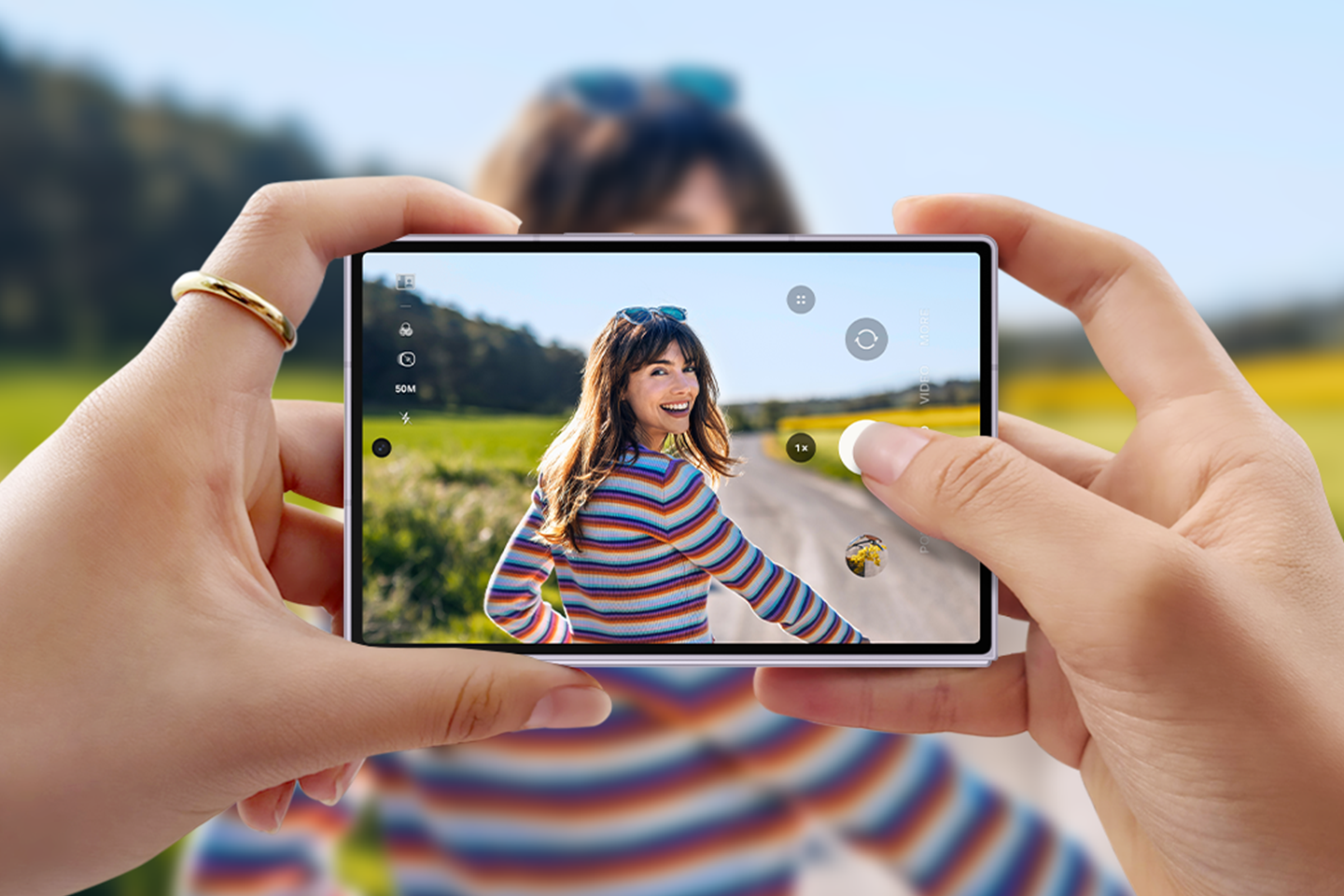
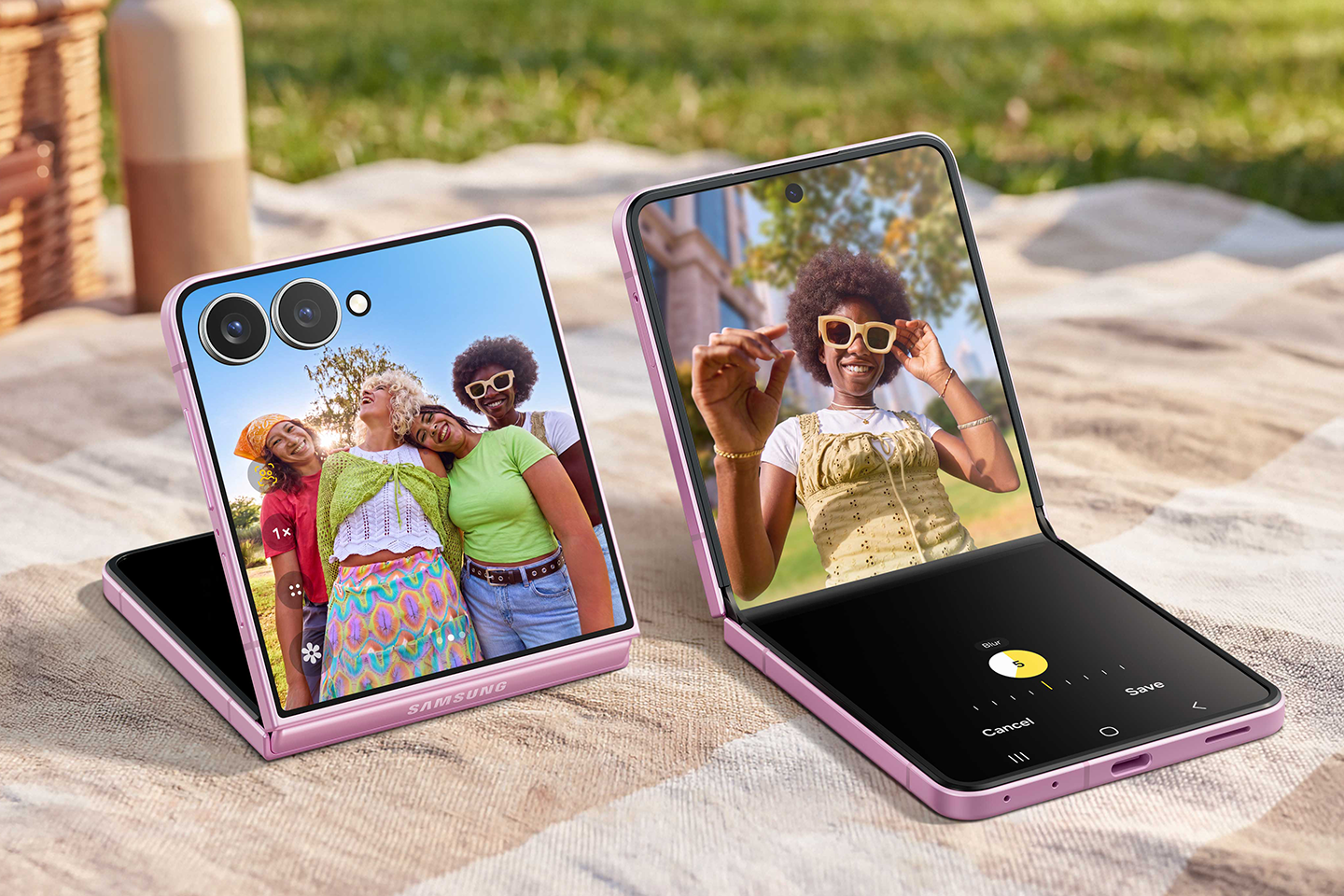
Addressing the clamshell market, the Galaxy Z Flip8 focuses on quick-interaction workflows via an enlarged 4.1-inch external FlexWindow running at up to 120 Hz. Inside, the main 6.9-inch Dynamic AMOLED panel is paired with an Exynos 2600 chip and a 4,300 mAh battery. Weighing 180 grams with an unfolded profile of 6.1 mm, the Flip8 relies on a 50-megapixel main sensor and a 12-megapixel ultra-wide camera. Software integrations allow users to trigger automated tasks directly from the cover display without opening the device, streamlining quick tasks like checking notifications, running contextual shortcuts, or previewing hands-free photos.
Across all three models, software updates emphasize proactive context management. System tools like Now Brief and Now Nudge process background information locally inside encrypted storage environments before surfacing suggested actions. By offering structural enhancements like titanium internal framing alongside specialized hardware tiers, Samsung is betting that refined ergonomics and targeted feature sets will appeal to consumers who previously hesitated to embrace folding screens.