TL;DR: A stylish mid-ranger whose floating 3D back design is only the start; solid camera hardware, genuinely fun creative tools, excellent battery life, strong durability and thoughtful AI features make it a lively daily driver for people who value personality over pure specs.
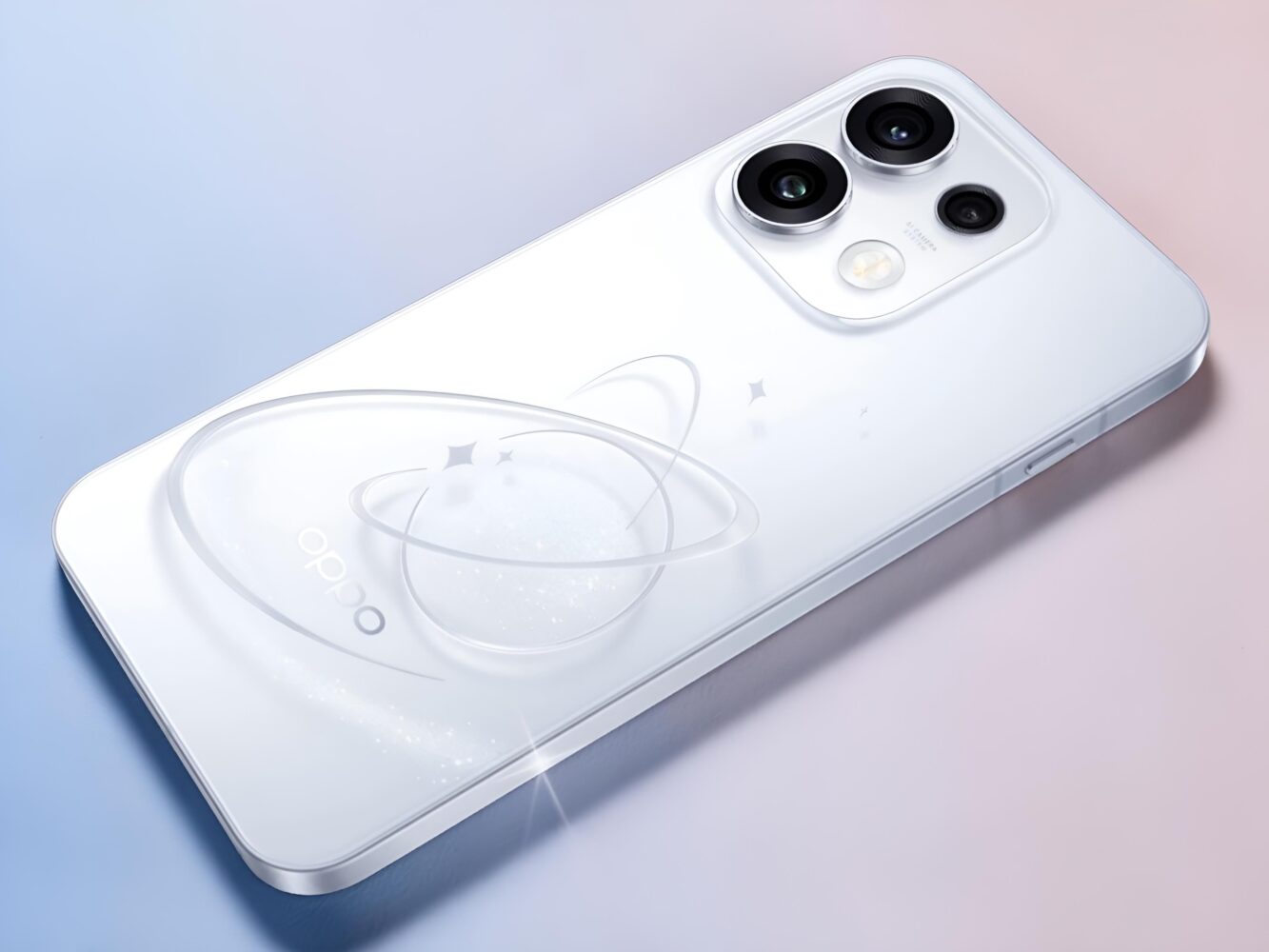
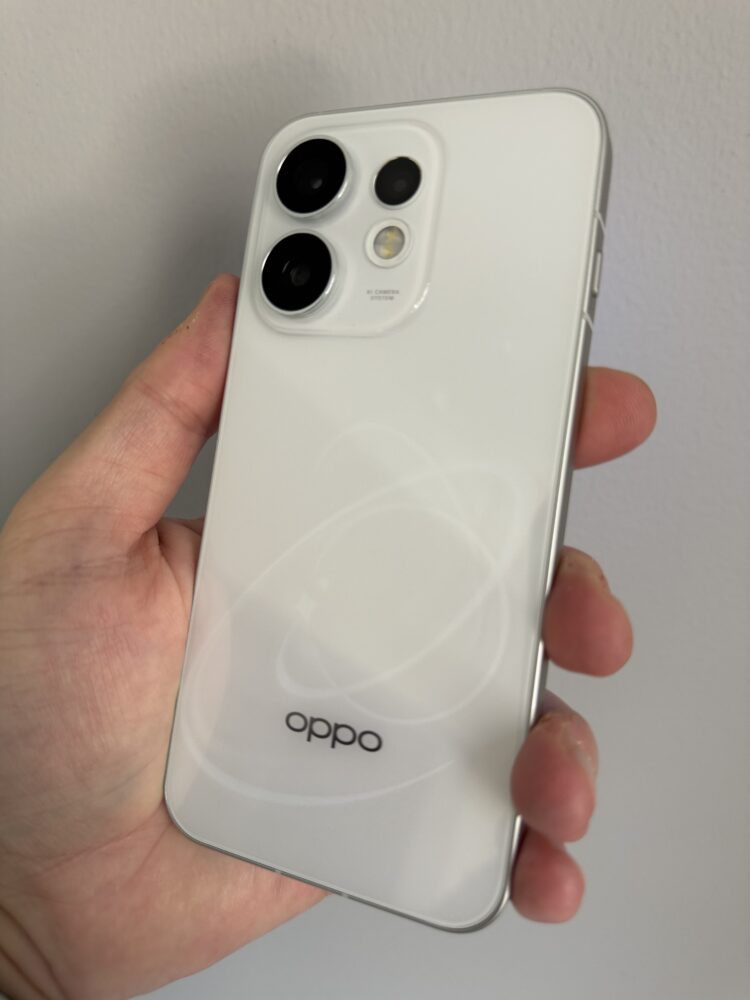
There is a particular kind of quiet thrill that hits when you first set the OPPO Reno16 5G down under ordinary indoor light and realize the back is not playing by the usual rules. A small planet appears to float a few millimeters above the surface, casting a real shadow that drifts as you tilt the phone or as the light source shifts. It is not a printed illustration, not a temporary holographic sticker, and not some store-demo gimmick that collapses the moment you step outside. The depth holds from almost every angle, stretching between roughly five and fifteen millimeters depending on your viewpoint, and that single continuous illusion rewires how you relate to the device. Suddenly it stops feeling like another glass-and-metal slab and starts feeling like a small, slightly magical object that also happens to make calls, shoot photos, and survive the chaos of daily life. Everything that follows grows out of that initial sense of personality.
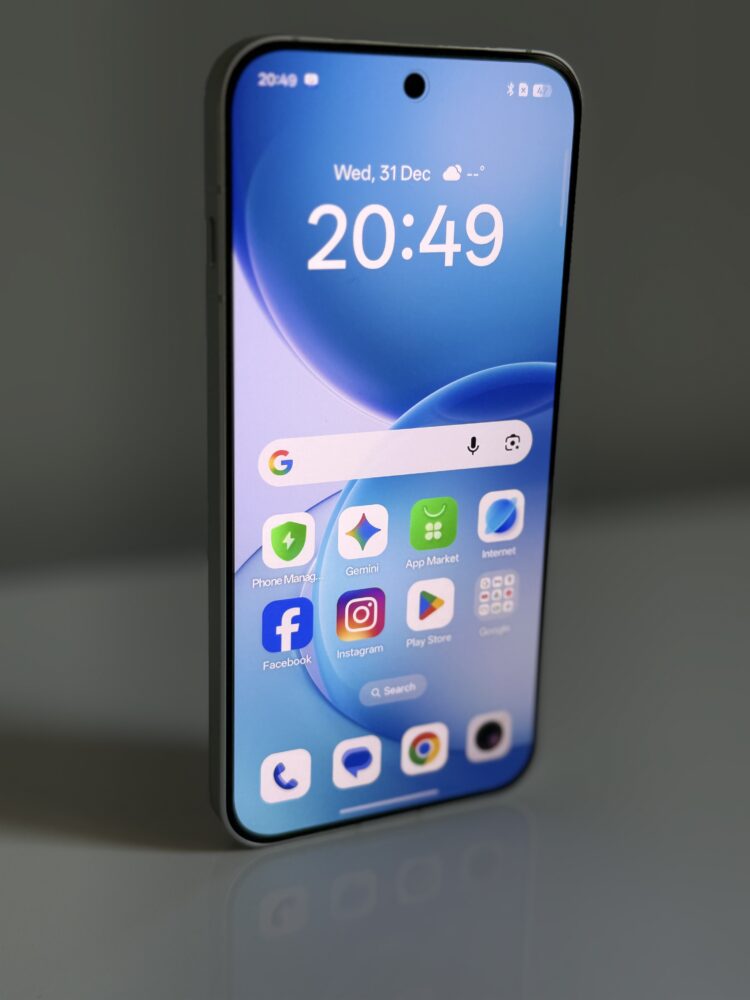
Design that refuses to sit flat
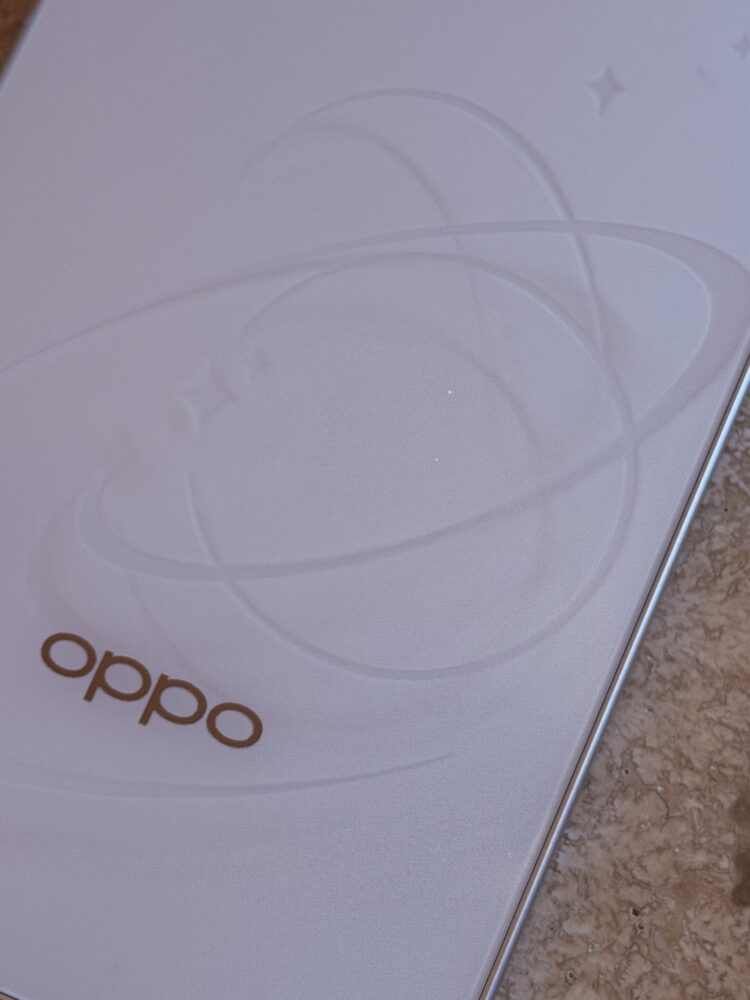
The floating effect comes from HoloVerse 3D Technology, a three-layer system of graphic pattern, substrate, and millions of microscopic lenses that redirect light so your eyes reconstruct a solid, multi-depth image. Soft directional light makes the planet feel almost physical; flat overhead lighting softens the drama, but a desk lamp or late-afternoon window turns the shadow into something you catch yourself chasing. It is the same pure geek joy people once felt flipping lenticular cards or peering into a View-Master, only this time it is built into a phone you will actually carry every day.
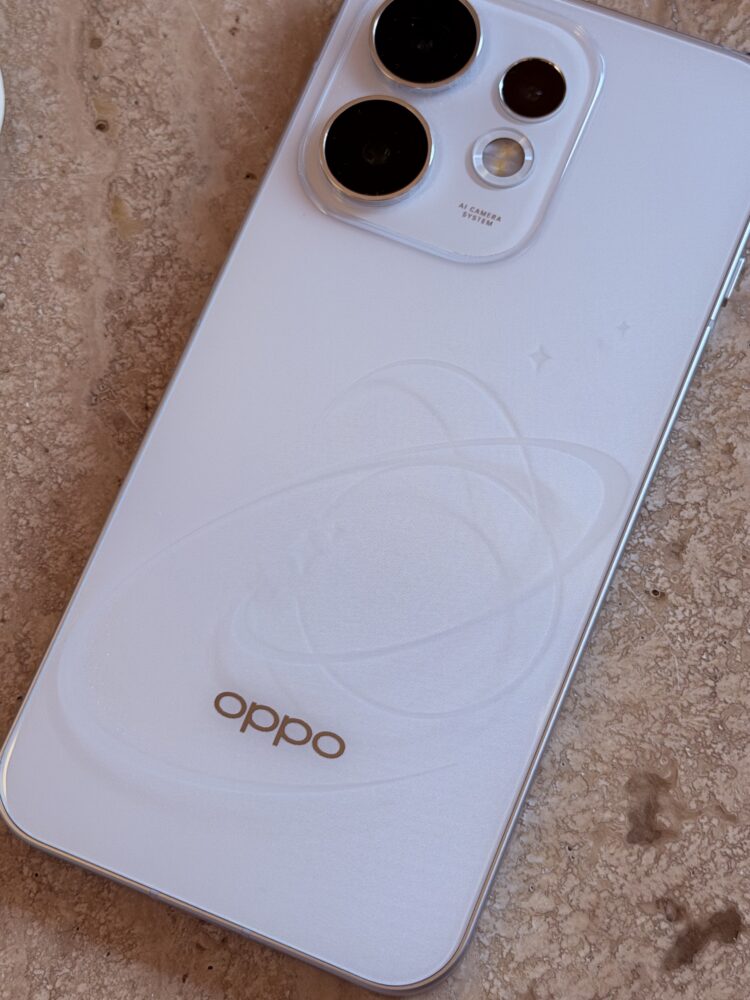
The rest of the body is engineered to support that theatrical rear without becoming fragile or precious. An aerospace-grade aluminum frame delivers higher yield strength against bending than typical mid-range chassis, and the one-piece cold-sculpted construction creates a seamless transition around the camera island so the rear looks deliberate rather than assembled. Dimensions stay comfortably slim, with the Pop White version measuring about 8.36 mm and the composite Twilight Violet and Dream Purple finishes a touch thinner at 8.22 mm. Weights settle between roughly 182 g and 193 g depending on color, light enough for long one-handed use yet substantial enough to feel premium.
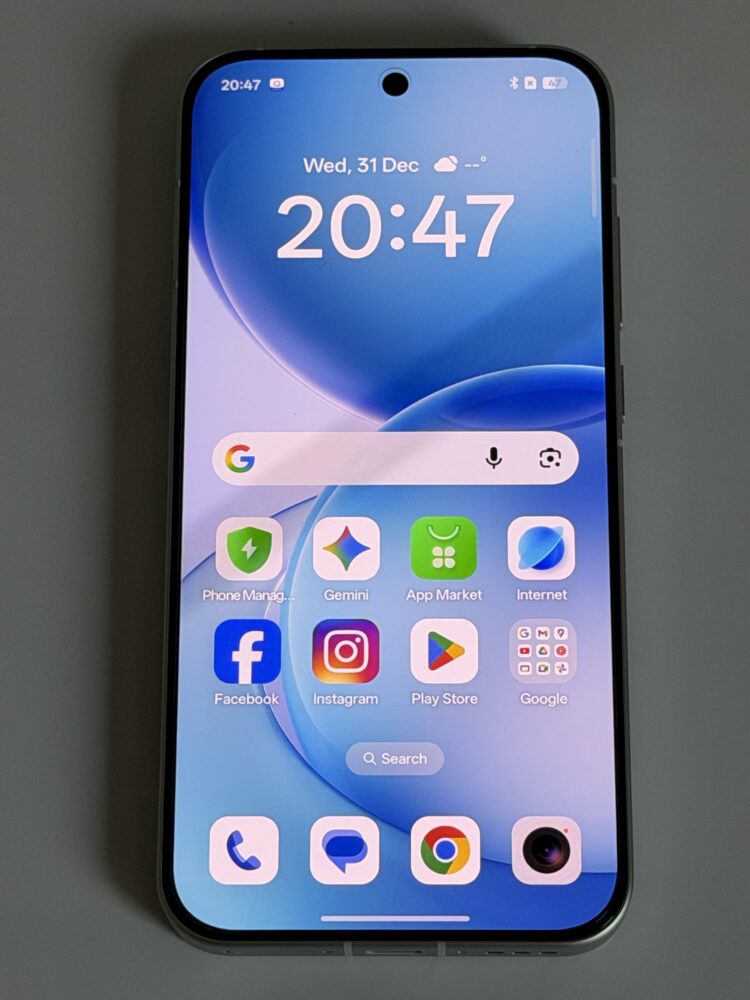
The 6.32-inch 120 Hz adaptive AMOLED panel sits in the ideal pocket-to-immersion sweet spot. Colors stay rich without cartoon oversaturation, peak brightness hits 3600 nits for outdoor readability, and the mix of DC dimming above 70 nits with PWM below keeps late-night scrolling from turning into an eye-strain contest. Three finishes each bring their own mood: glass Pop White that lets the floating planet dominate completely, and the softer composite Twilight Violet and Dream Purple that lean into fashion-forward tones without shouting for attention.
Creative tools, AI imaging and the quiet intelligence of ColorOS 16
Once the hardware has captured the light, the software and AI imaging tools turn the OPPO Reno16 5G into something closer to a pocket creative studio. Pop Cam offers nine curated film-inspired looks that apply instantly across every focal length from 0.6x to 10x and across both stills and motion photos. Digicam brings the soft CCD glow of early digital cameras, Instant Film delivers warm polaroid-style shifts, Light Leak adds organic streaks, and five additional moods complete the set. Each style can be fine-tuned, and they pair cleanly with AI Flash Photography 3.0’s Soft, Auto and Contrast personalities that keep ambient scenes natural or punch subjects out of neon and blue-hour light.

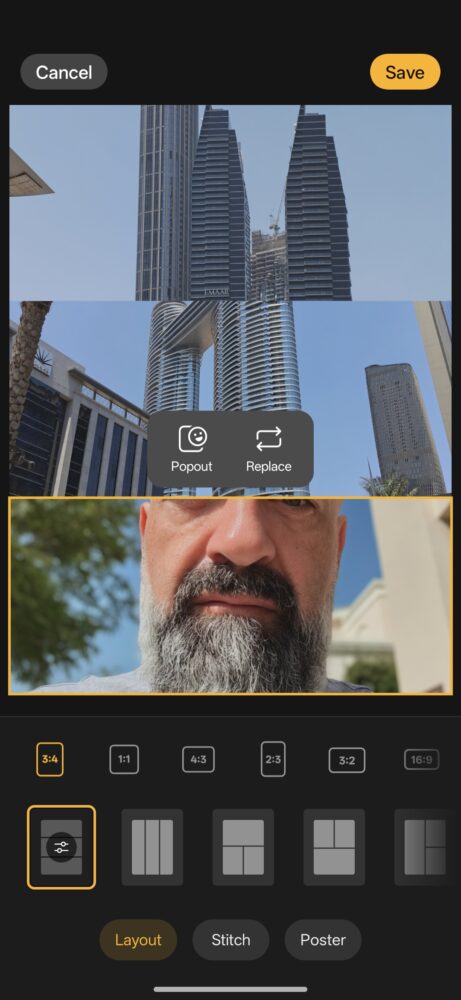
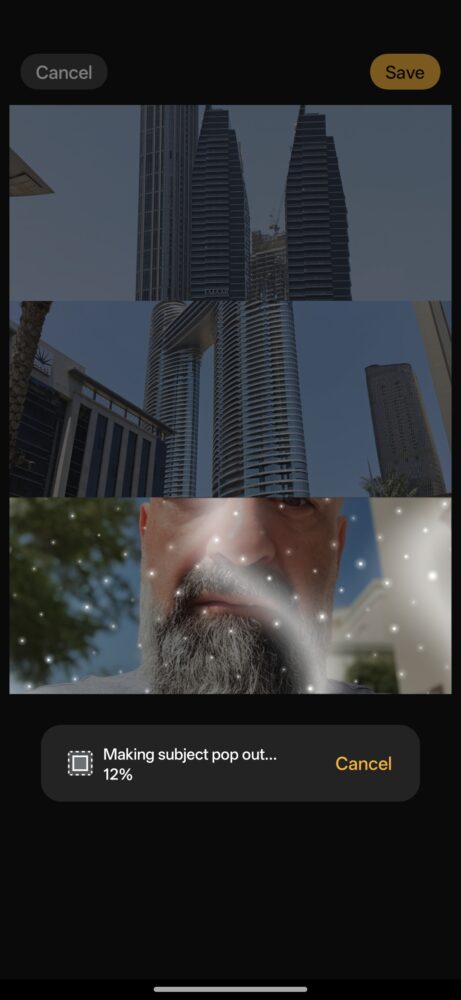
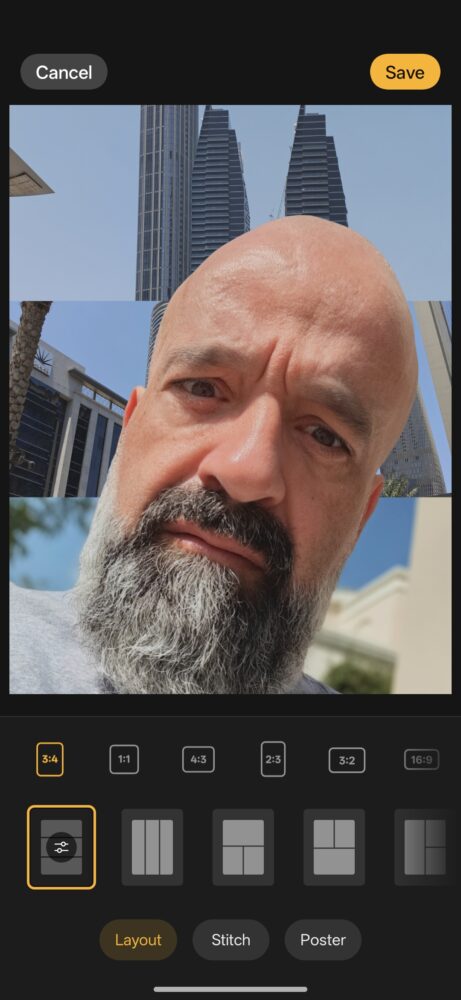
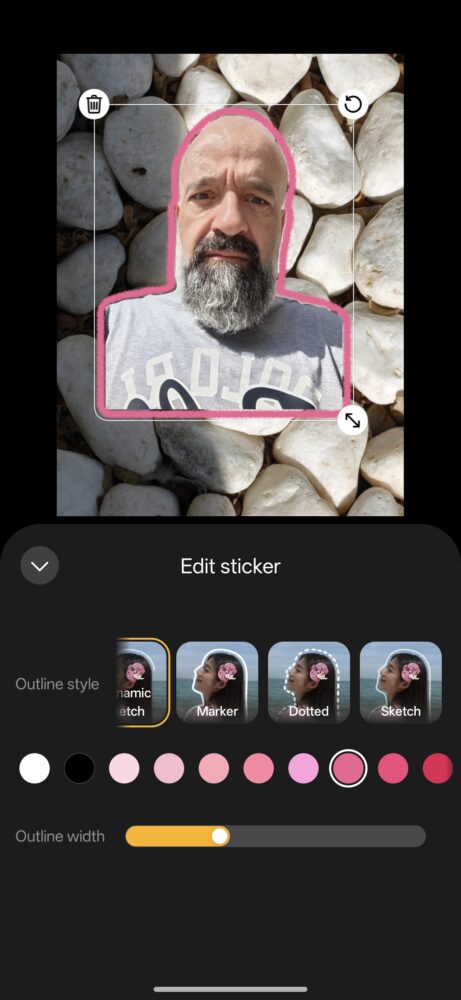
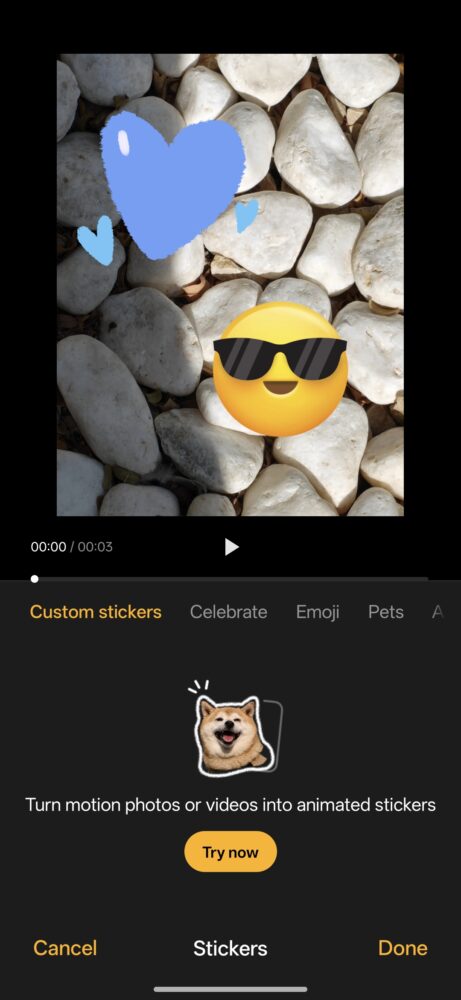
AI Remix Collage lets you cut subjects from photos, motion photos or short clips into reusable animated stickers, layer up to five of them with outlines, fonts and doodles, and rearrange until an ordinary moment becomes a small surreal story. Tiny Me, Giant Me, Time Freezer, Motion Scrapbook and Popout 2.0 expand the playful toolkit further, while 4K Auto Straighten, Dual-View Video 2.0 and the Create tab’s AI tools keep video experimentation just as fluid. The overall effect is that the camera encourages play instead of demanding perfection.


ColorOS 16 extends that same helpful spirit with AI companion features that feel like quiet personal assistants. AI Mind Space captures whatever is on screen with a side-key press or three-finger swipe and files it into a searchable archive; long-press adds a voice note and double-press opens the app. AI Mind Pilot coordinates multiple large language models while drawing on those memories.
O+ Connect handles high-speed sharing and deeper desktop integration, while Audio Sharing lets two headphone pairs receive the same synced stream with independent volume. Together these tools reduce everyday friction so the phone feels less like something you manage and more like one that quietly manages things for you.
Performance, battery and durability that simply get out of the way
The Snapdragon 7 Gen 4 platform prioritizes intelligent efficiency over raw peak numbers, with AI HyperBoost 3.0 keeping frame rates consistent during longer gaming sessions in titles like Mobile Legends, PUBG or BGMI while managing heat so the phone never becomes uncomfortably warm. Connectivity through AI LinkBoost 4.0 amplifies weak signals and switches networks intelligently, while dual stereo speakers, Bluetooth 5.4 and a crisp X-axis linear motor keep everyday interactions responsive.
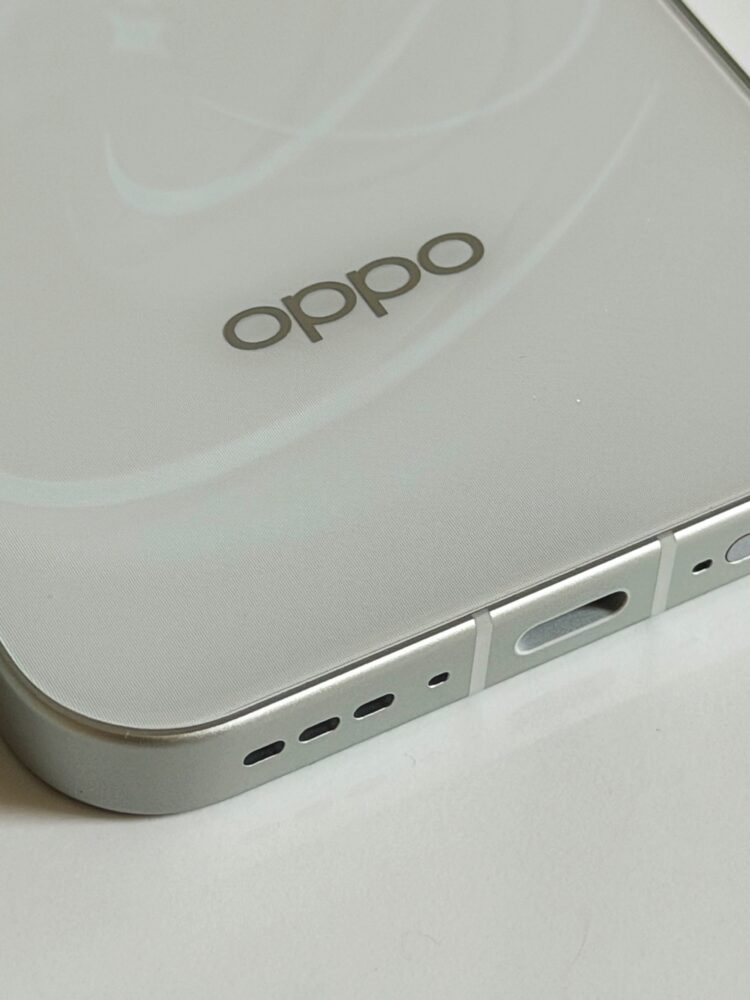
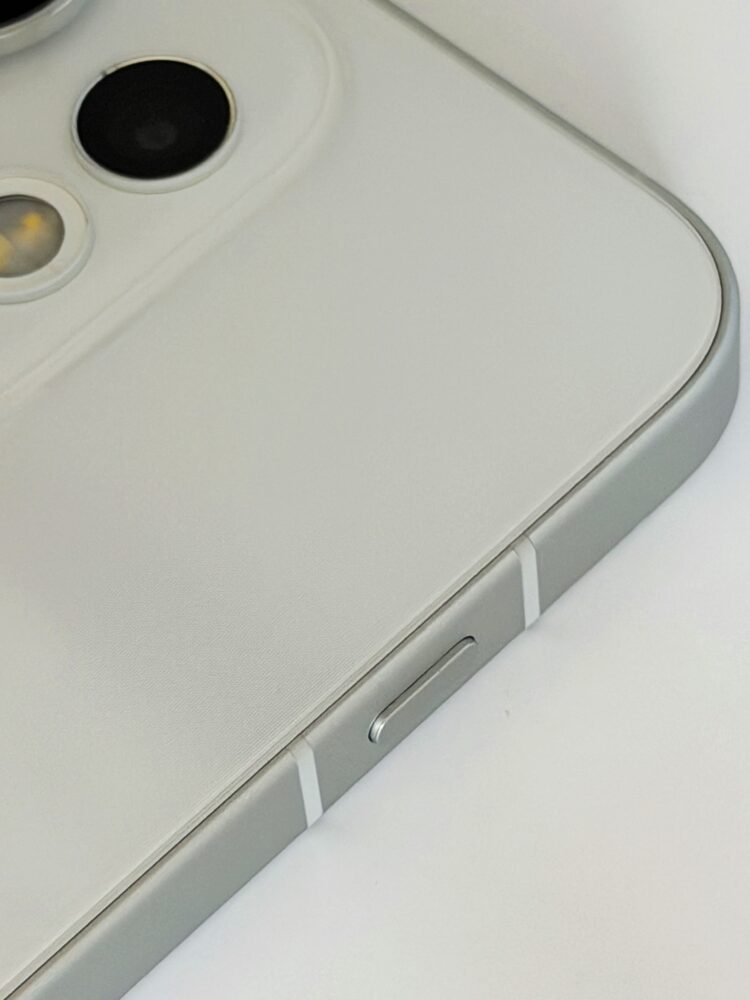
The 6700 mAh silicon-carbon battery routinely finishes a full day of mixed use with twenty to thirty percent left, and the 80 W SUPERVOOC charger turns short plug-ins into meaningful recovery. An IP69K rating, aerospace-grade aluminum frame and solid thermal management give the chassis a rigid, confident feel that shrugs off kitchen splashes, unexpected rain, dusty shoots and accidental drops without drama. The result is a mid-ranger that simply stays out of the way so you can focus on using it.
Camera hardware that already knows what it is doing
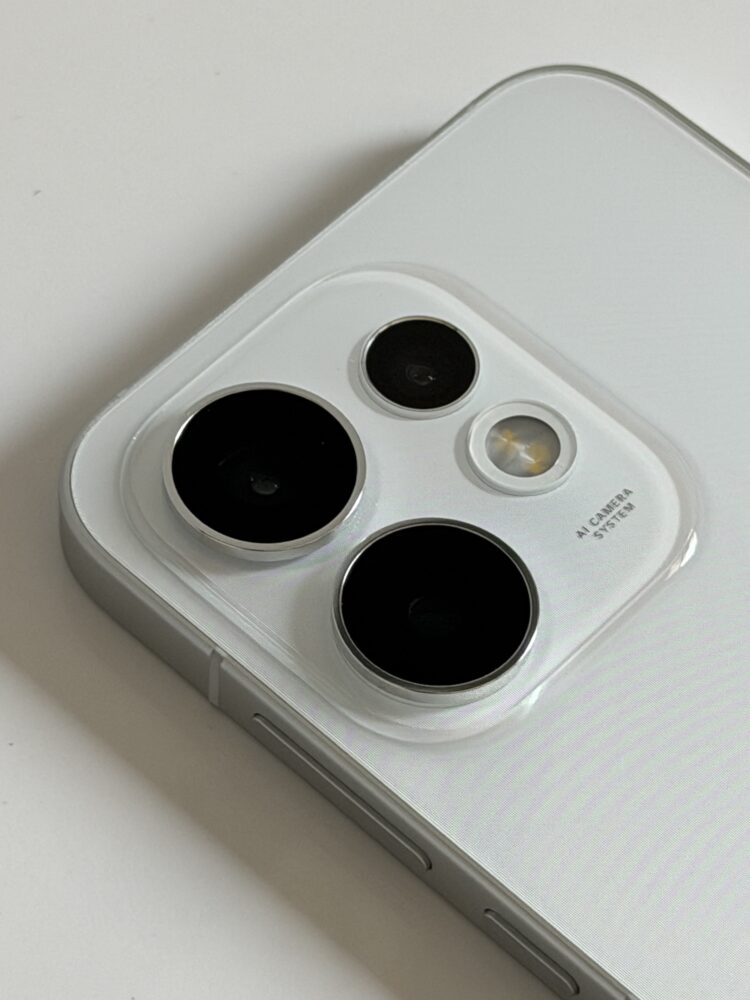
Before any software magic appears, the pure imaging hardware feels thoughtfully put together. Four 50-megapixel sensors form the core: a main camera built around a Sony LYT-600 sensor with 26 mm equivalent focal length, f/1.8 aperture, optical image stabilization and a five-element lens; an ultra-wide at 16 mm equivalent with f/2.0 and autofocus; a 3.5x telephoto portrait camera at 80 mm equivalent, f/2.8, optical stabilization and a four-element lens that approximates the classic 85 mm portrait look; and a matching 50-megapixel ultra-wide front camera at 18 mm equivalent with autofocus. Dual LED flash and full 4K video on both front and rear complete the package.
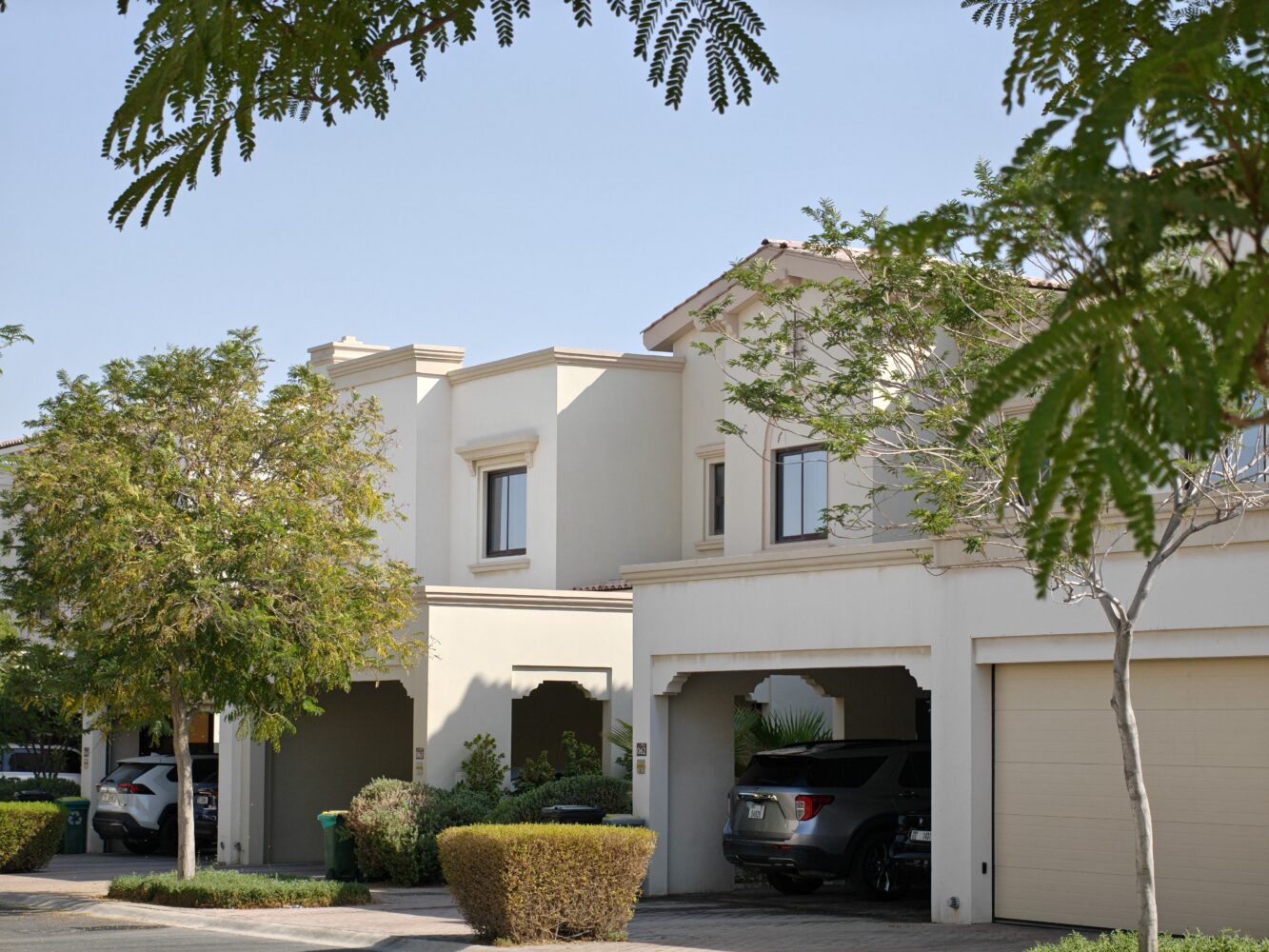
In real use the main sensor produces crisp, detailed files that survive later cropping or reframing without falling apart. The telephoto is the quiet standout for anyone who photographs people. Standing two or three meters away and engaging the 3.5x optical zoom isolates subjects with natural optical bokeh instead of the plastic software blur that still plagues many phones in this class. Half-body portraits feel flattering without the forced compression of longer digital zooms.
The ultra-wide is sharper and less distorted at the edges than many mid-range alternatives, useful for group shots and those low-angle compositions that exaggerate perspective for dramatic effect. The front ultra-wide finally makes group selfies and solo vlogs feel less cramped; you can raise the phone slightly above eye level or walk backward while talking and still keep both face and environment in frame without reaching for a stick. Optical stabilization on the main and telephoto units keeps handheld shots cleaner in lower light, and the overall system feels balanced rather than weighted toward any single lens.
Photo samples















The optional Bubble that turns the back into a stage
The optional OPPO Bubble is the kind of quirky extra that feels purpose-built for people who treat their phones as both tools and personal billboards. The thin magnetic unit attaches to the rear and provides a live 1.73-inch AMOLED preview of the rear cameras so you can see your own pose and framing while someone else holds the phone, or use it as a remote shutter from up to ten meters away.
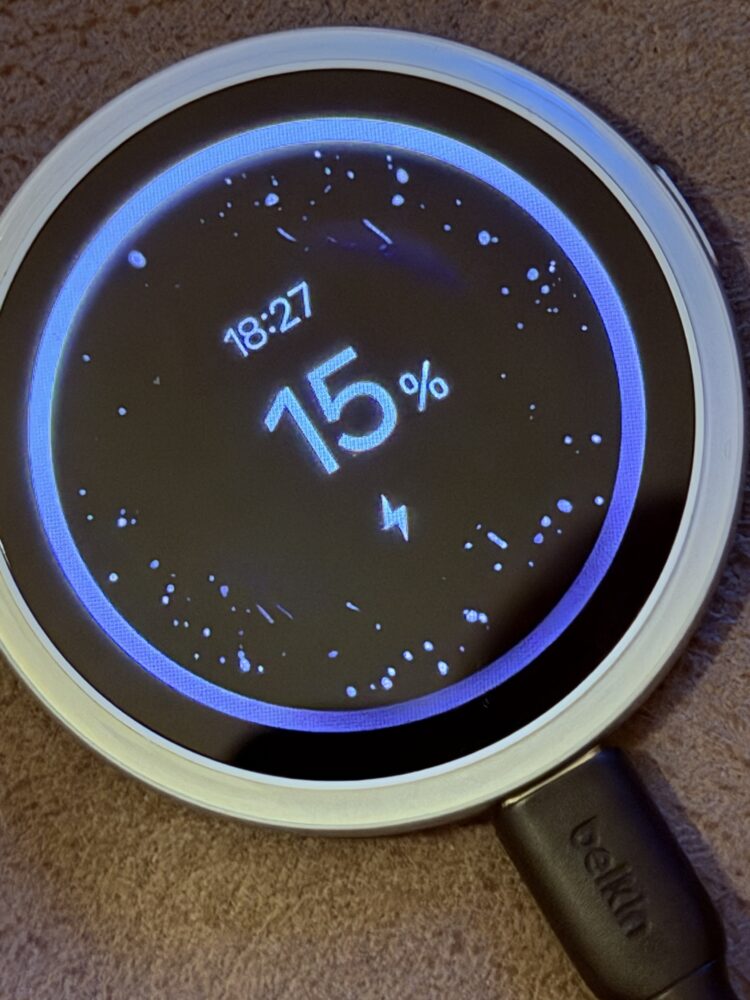
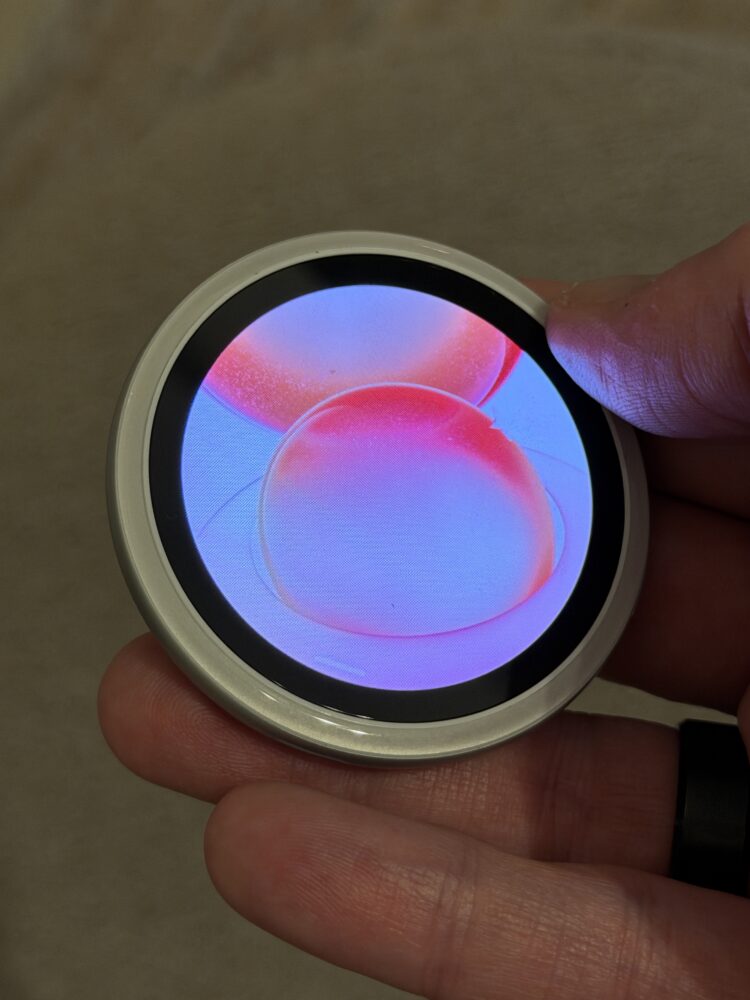
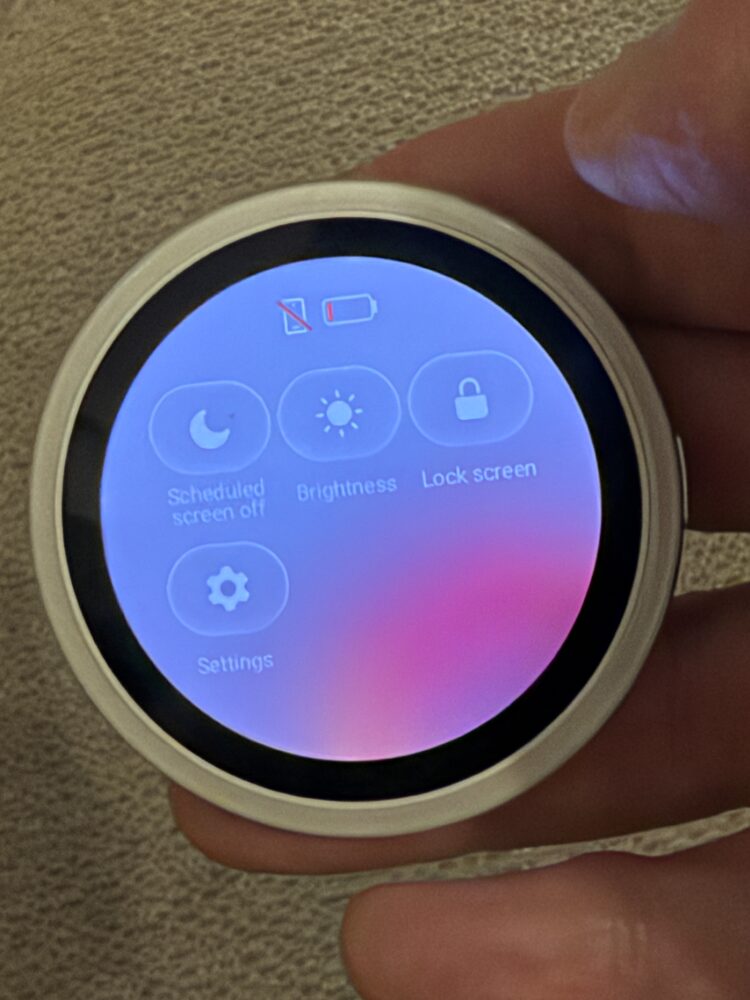
Supported zoom levels include 0.6x, 1x, 2x and 3.5x. It also functions as a customizable e-badge that can display static images, short motion clips or looping animations up to five seconds long, turning the back of the phone into a tiny always-on canvas for mood, memes or favorite shots. At 27.5 grams and just seven millimeters thick, with a 560 mAh battery that lasts nearly fifty hours on a static image or almost eight hours of active preview, and IP54 resistance to light rain and dust, the Bubble feels more like a playful extension of the phone’s creative personality than a necessary accessory. Group shots, solo creative setups on a small tripod, and vlogging where eye contact with the rear lens matters all become noticeably easier.
Verdict
The OPPO Reno16 5G succeeds by refusing to treat any single feature as the entire story. The floating 3D planet is the memorable first impression, yet the lasting value comes from the way the pure camera hardware delivers clean, flexible results, the combined creative software, AI imaging tools and ColorOS companion features encourage playful experimentation while quietly organizing daily life, and the battery plus durability remove friction. It is not the most powerful phone in its class on pure silicon, nor does it chase every flagship checkbox. What it offers instead is a coherent personality: a device that feels designed for people who actually use their cameras, share their lives in creative ways, and appreciate small moments of delight that survive long after the unboxing. In a market crowded with competent but forgettable mid-rangers, that personality is worth more than another incremental processor upgrade.