
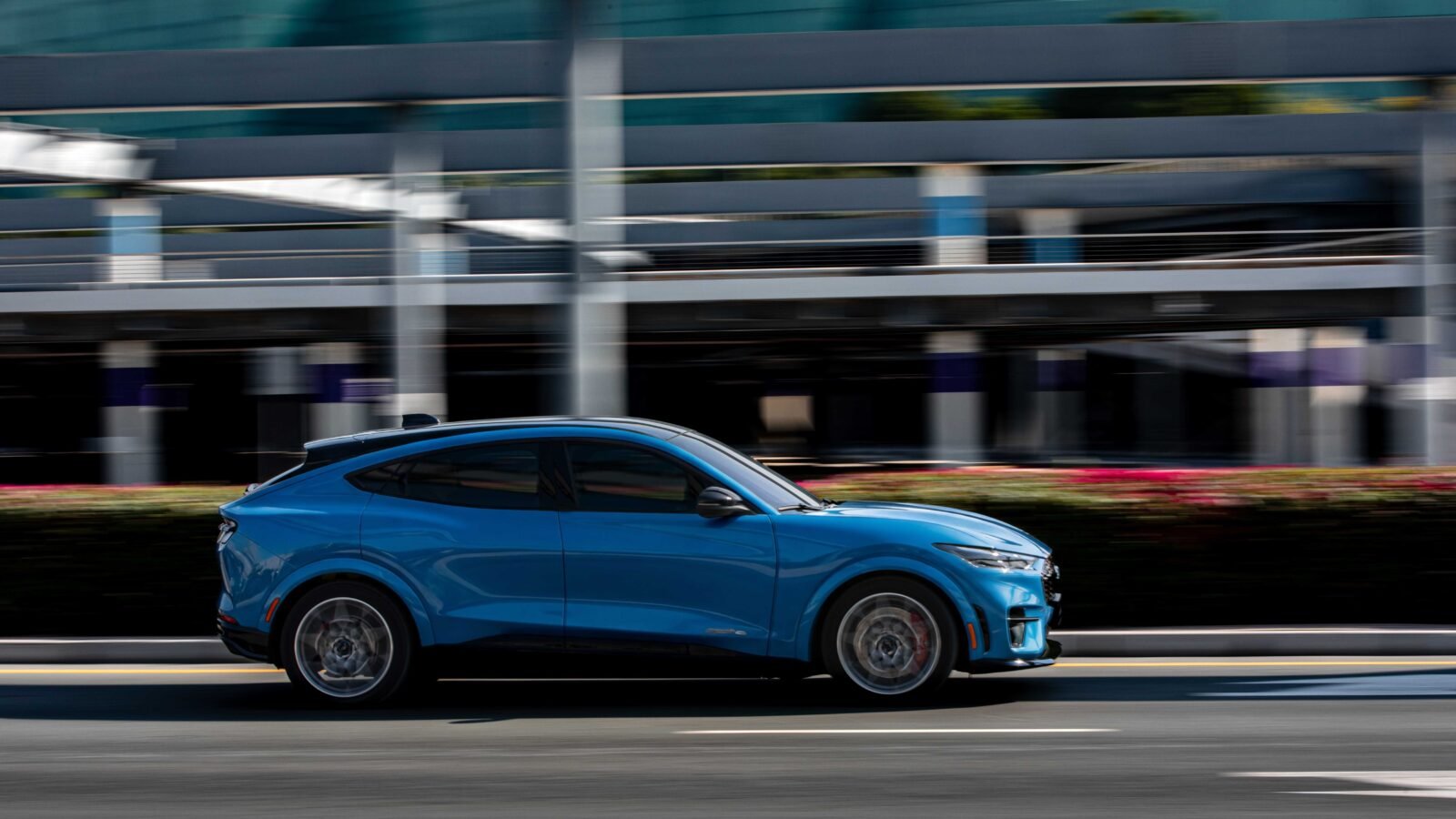
Ford Mustang Mach-E owners in regions like Dubai face real challenges from extreme summer heat, where cabin temperatures can soar and battery performance requires careful management. Ford has shared four practical approaches to handling these conditions based on engineering tests in hot climates, offering ways to maintain efficiency without unnecessary complications. While electric vehicles bring advantages in torque and smoothness, high ambient temperatures test thermal systems in ways that internal combustion engines rarely encounter, making these habits worth considering for anyone relying on the Mach-E daily.
Start with thermal pre-conditioning. When the vehicle is plugged in, use the Ford app to set a departure time. This allows the car to cool the cabin and prepare the battery using grid power rather than drawing from its own reserves. The approach helps preserve driving range, a sensible step in places where air conditioning demands compete directly with propulsion needs. In practice, it reflects how modern EVs prioritize comfort while trying to mitigate the well-documented range loss that heat can impose on lithium-ion batteries.
Upon returning to a sun-baked car, where interiors can reach 70°C, a simple key fob sequence activates global window opening. Lowering the windows as you approach vents hot air, followed by a few minutes of driving with them down to equalize temperatures. Only then should the air conditioning take over at lower power levels, around 1kW for maintenance after the initial heavy cooling load of 2-3kW. This technique reduces strain on the system and aligns with basic physics of heat dissipation, a reminder that small actions can noticeably improve initial comfort in extreme conditions common across the Middle East.
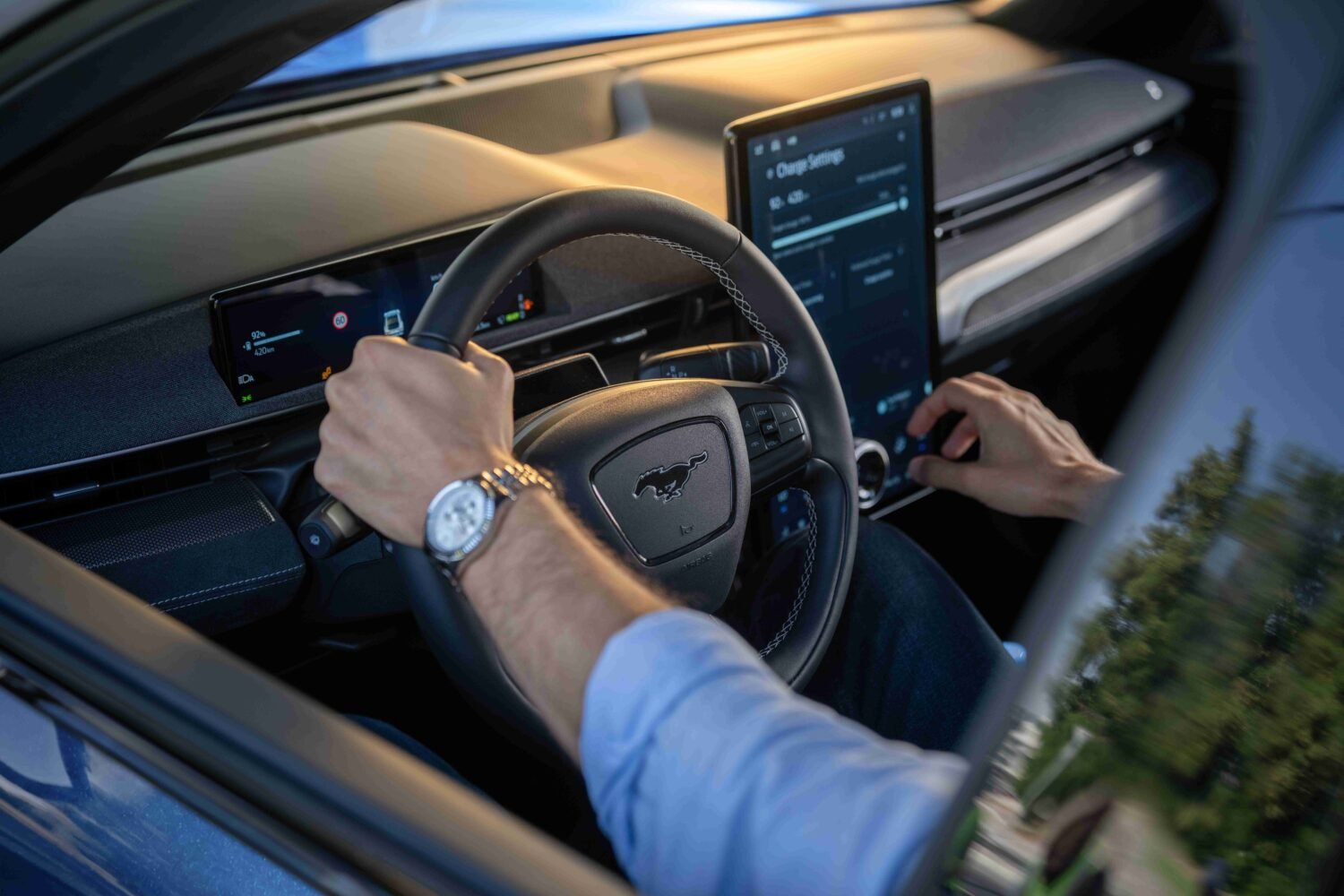
On the road, features like one-pedal driving recover energy during deceleration instead of converting it all to brake heat. Combined with a smoother power delivery mode, it promotes steadier energy use and helps manage internal temperatures. The vehicle’s range estimation system factors in weather and driving style, providing more reliable predictions than many early EVs offered. These tools support efficient operation, though they still require driver awareness, as no assist fully replaces judgment in traffic or varying road surfaces. Critics of EV adoption sometimes point to such dependencies on software and habits as barriers compared to the simplicity of refueling a traditional car, yet they also highlight genuine engineering progress in energy management.
For battery longevity, limiting routine charges to around 80 percent avoids the extra heat generated in the final stages of full charging. Keeping levels between roughly 20 and 80 percent during daily warm-weather use can reduce long-term thermal stress on the cells. This advice echoes broader guidance across the EV industry, where manufacturers increasingly acknowledge that optimal battery chemistry benefits from moderation rather than constant maximum capacity. In scorching environments, such practices may extend service life, though real-world results depend on individual driving patterns and maintenance.
Overall, these suggestions underscore the practical realities of electric vehicle ownership in hot climates. The Mustang Mach-E adapts Ford’s performance heritage to battery power, but success hinges on owner habits as much as factory engineering. As EVs become more common in places like the UAE, understanding these thermal dynamics will separate convenient daily use from potential frustration.