
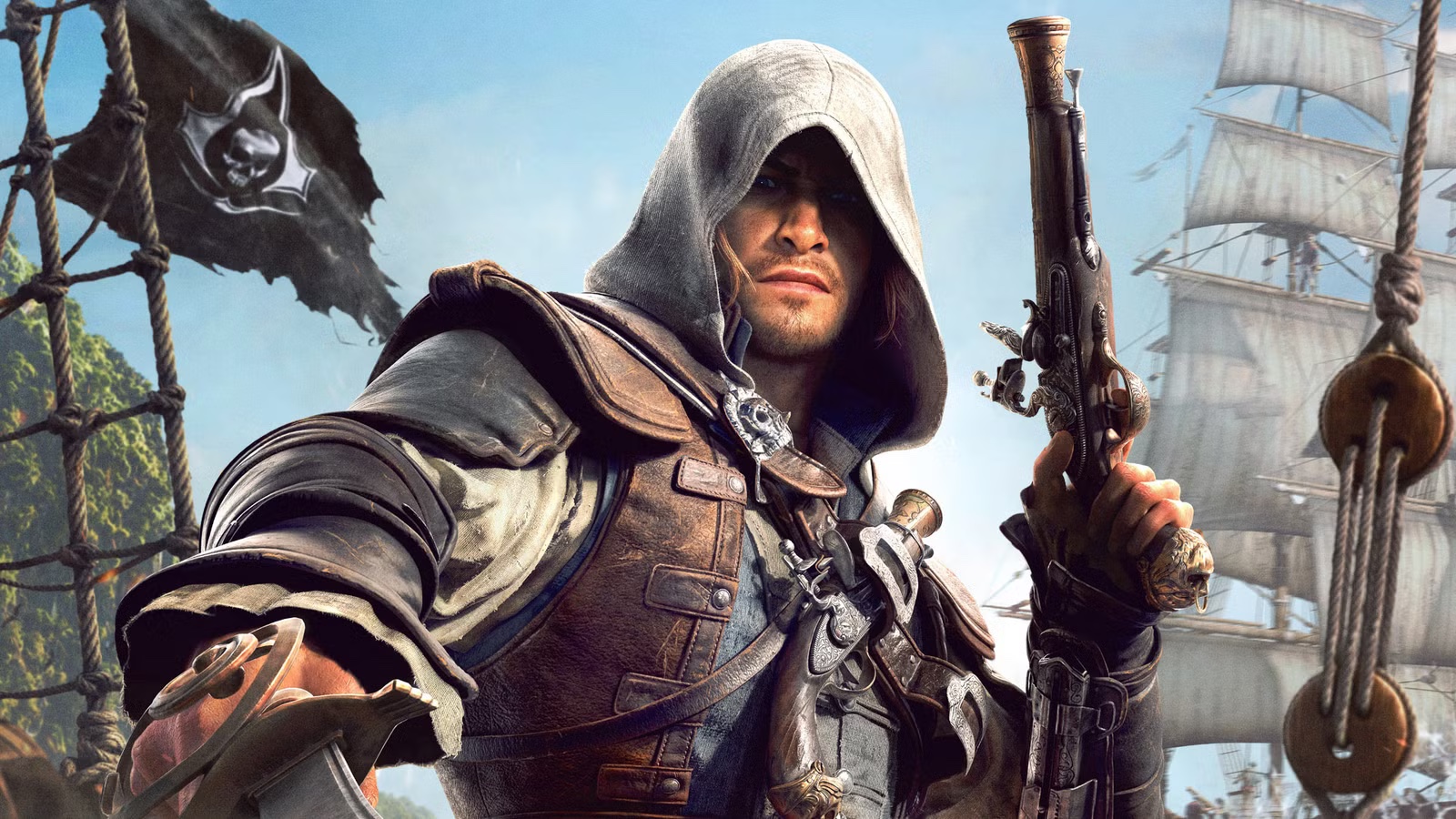
There are few Assassin’s Creed games that hold the same legendary status as Black Flag. Released in 2013, it was the game that convinced millions of players they wanted to be pirates more than assassins. Edward Kenway’s journey across the Caribbean delivered memorable naval battles, unforgettable sea shanties, and one of the franchise’s strongest protagonists.
Assassin’s Creed Black Flag Resynced
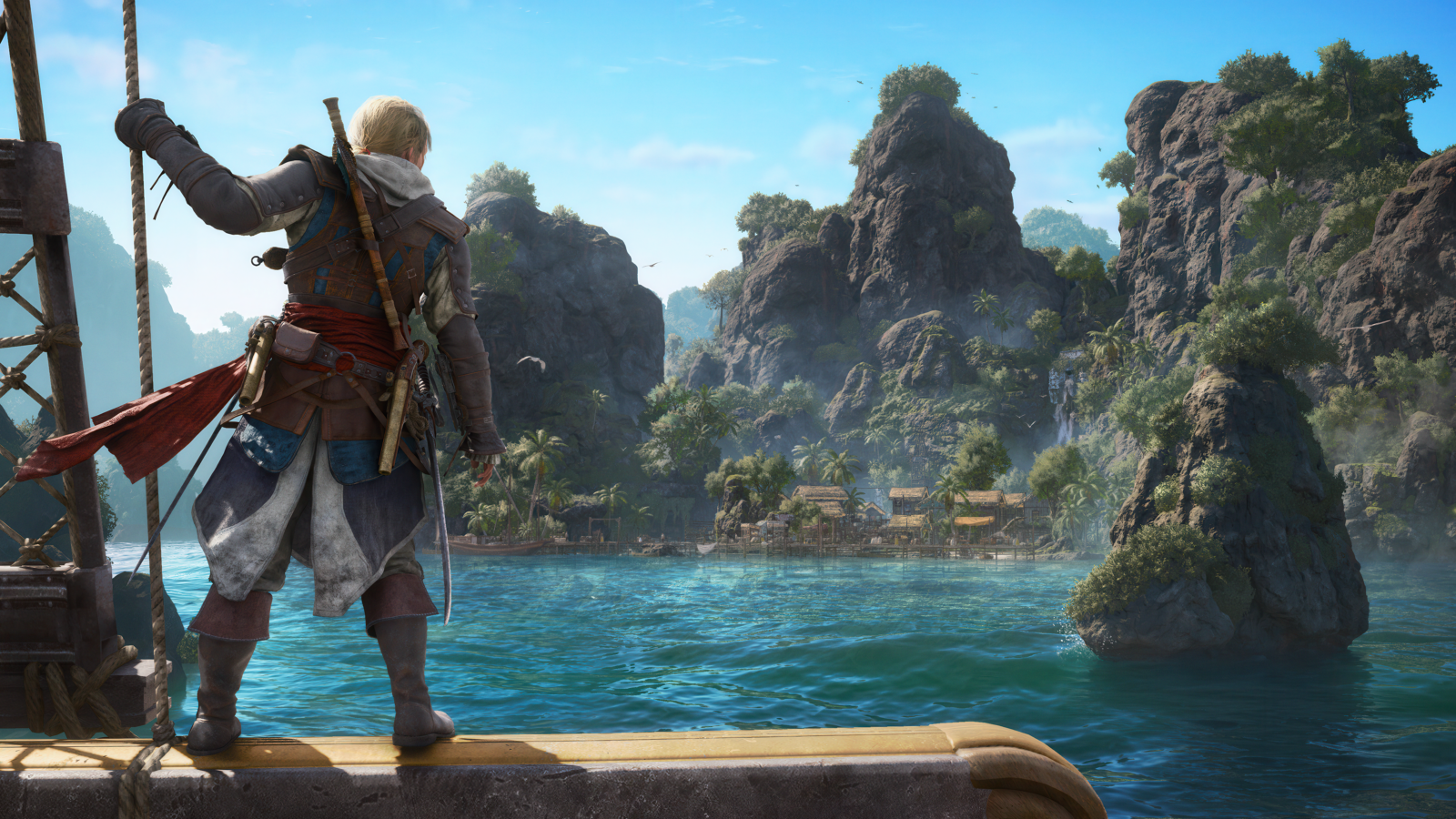
More than a decade later, Ubisoft has brought the adventure back with Assassin’s Creed Black Flag Resynced, a full remake built for current-generation hardware. Rather than settling for sharper textures and a higher frame rate, Ubisoft Singapore has rebuilt large parts of the experience, modernising gameplay systems while preserving everything that made the original special.
The result is exactly what fans hoped for. Black Flag Resynced feels familiar, but rarely feels old.
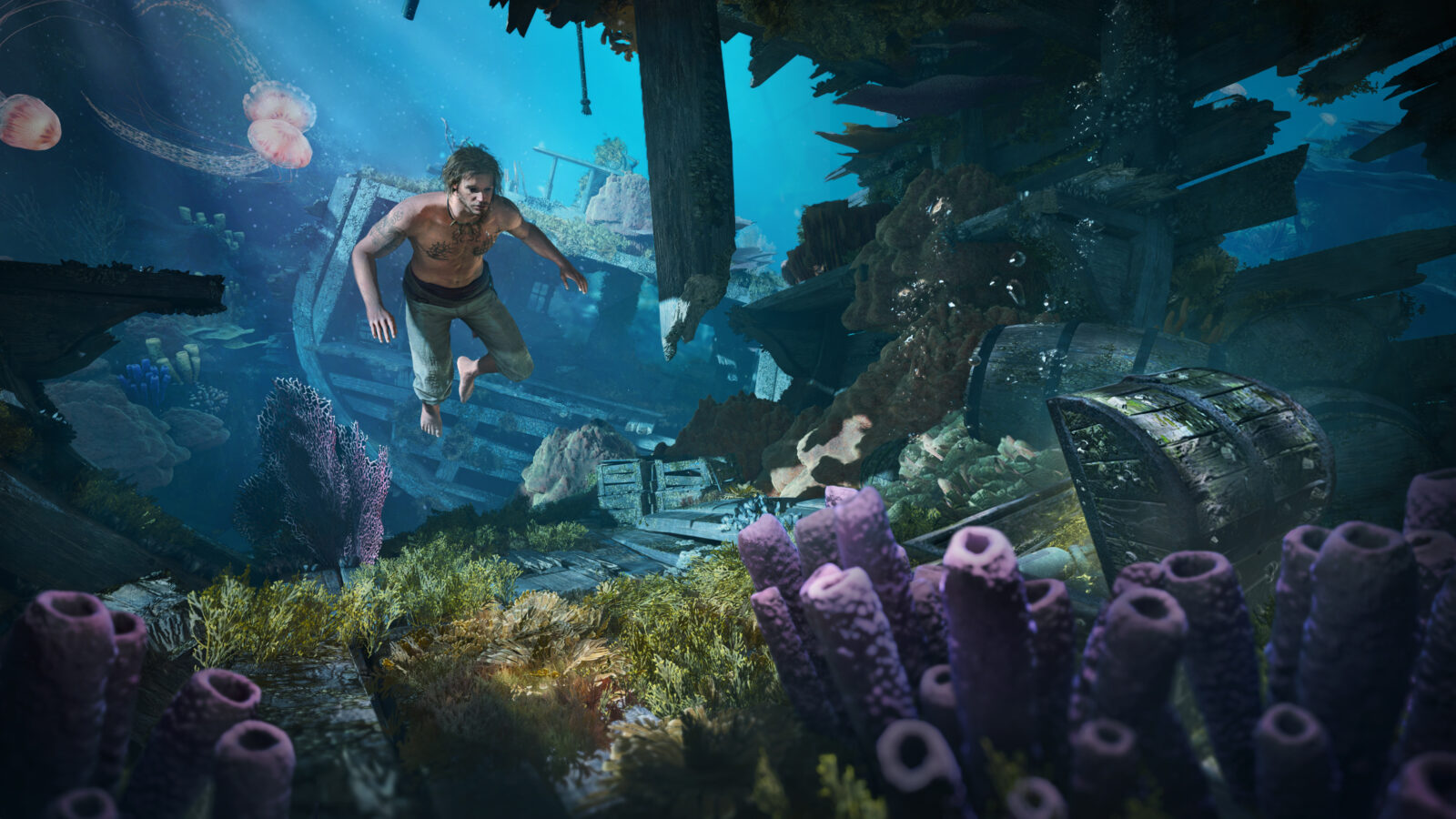
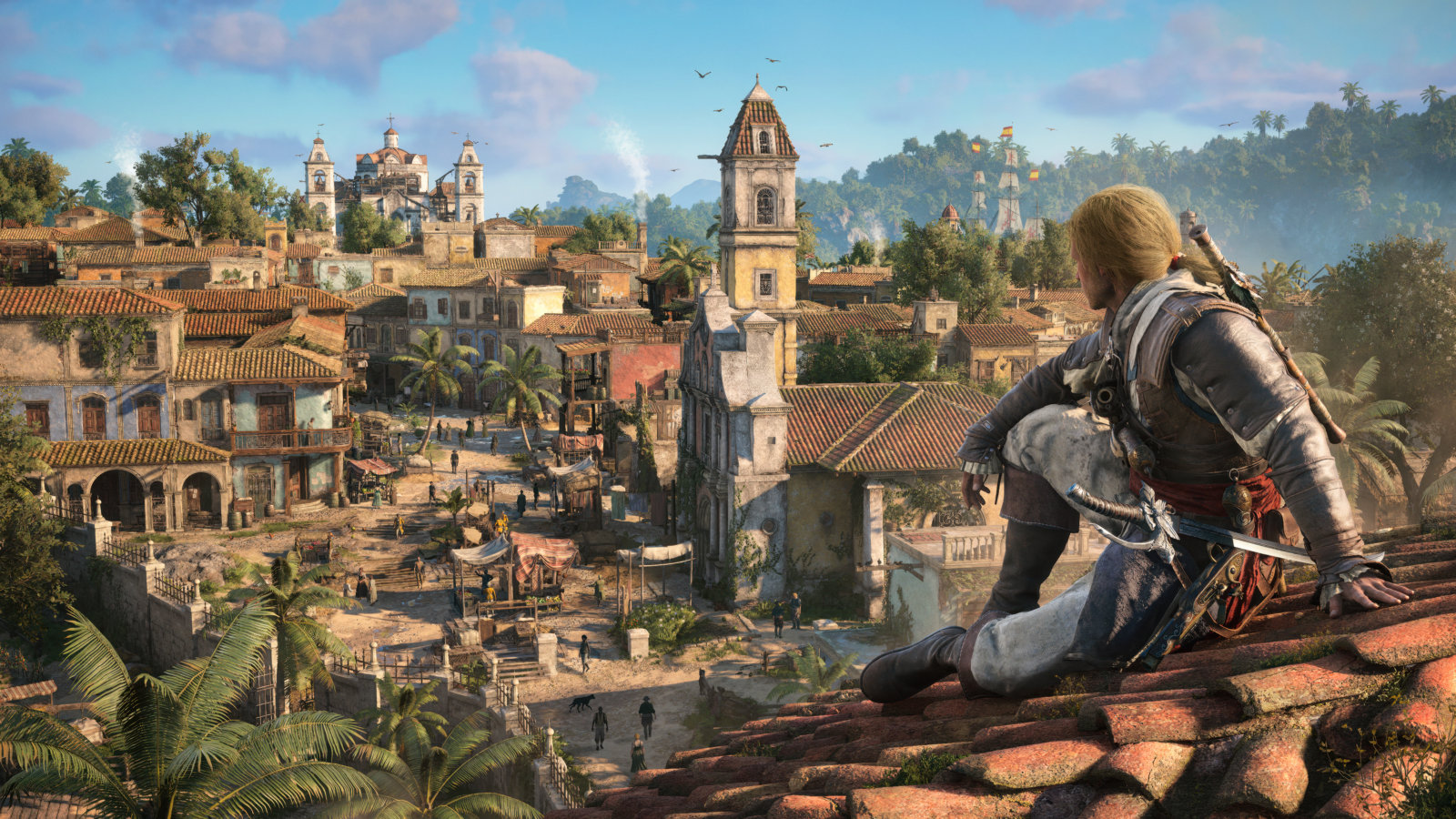
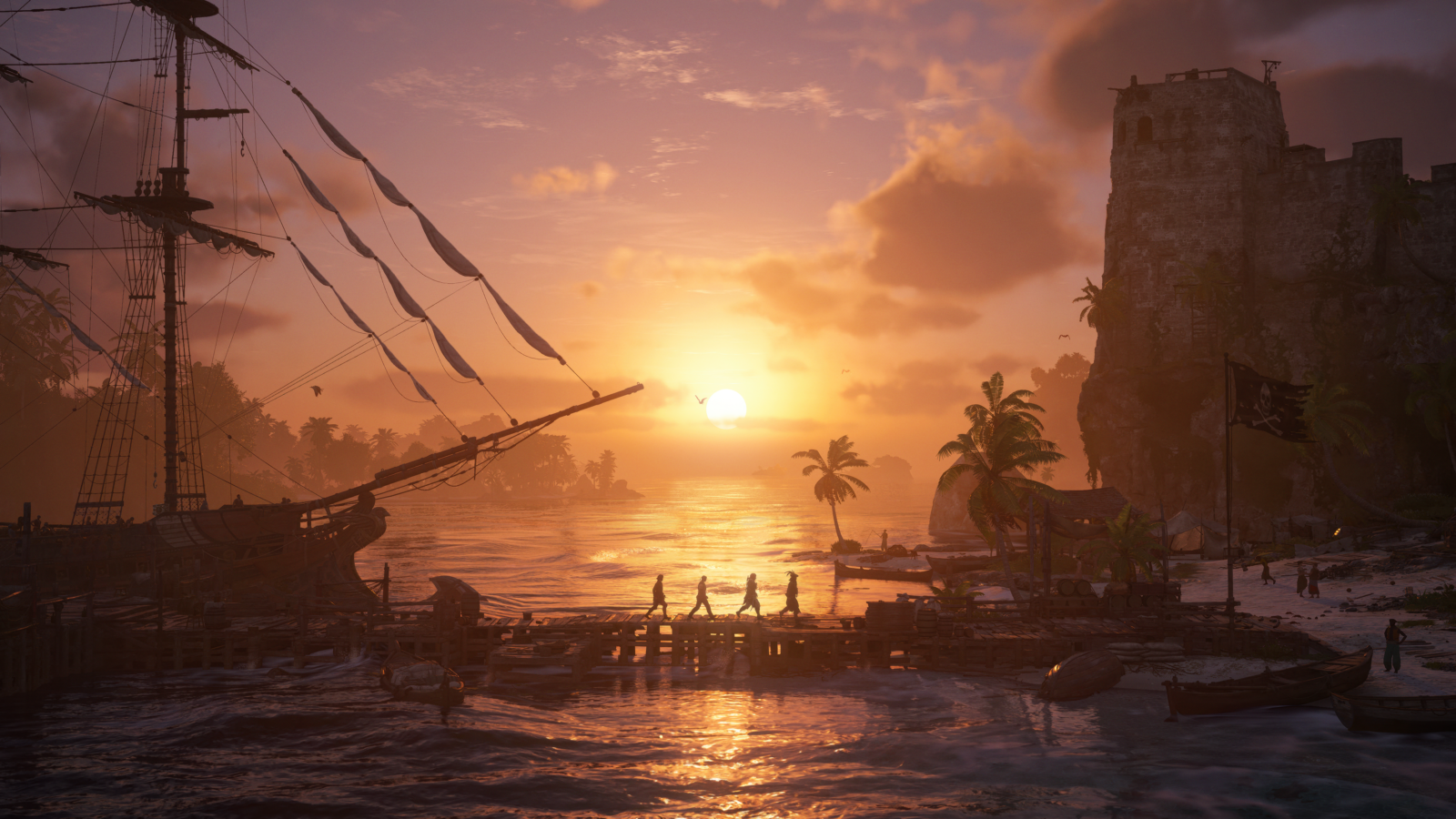
The most immediate difference is visual. The Caribbean has never looked better. Running on Ubisoft’s latest Anvil engine, every island feels richer with dense vegetation, improved lighting, volumetric clouds, ray-traced reflections, and dramatically enhanced water simulation. Sailing into Havana at sunrise or navigating a tropical storm in the open sea genuinely feels like a current-generation experience.
Weather is no longer just visual spectacle either. Heavy winds and rough seas have a noticeable impact on naval encounters, forcing players to adjust their positioning instead of simply firing broadsides from point-blank range. Load transitions between major cities and the open ocean have also disappeared, making exploration feel seamless in a way the original never could.
Perhaps Ubisoft’s biggest success is knowing exactly what to modernise. The original Black Flag was fantastic, but returning to it today exposes several mechanics that haven’t aged gracefully. Resynced addresses many of those frustrations without fundamentally changing the game’s identity.
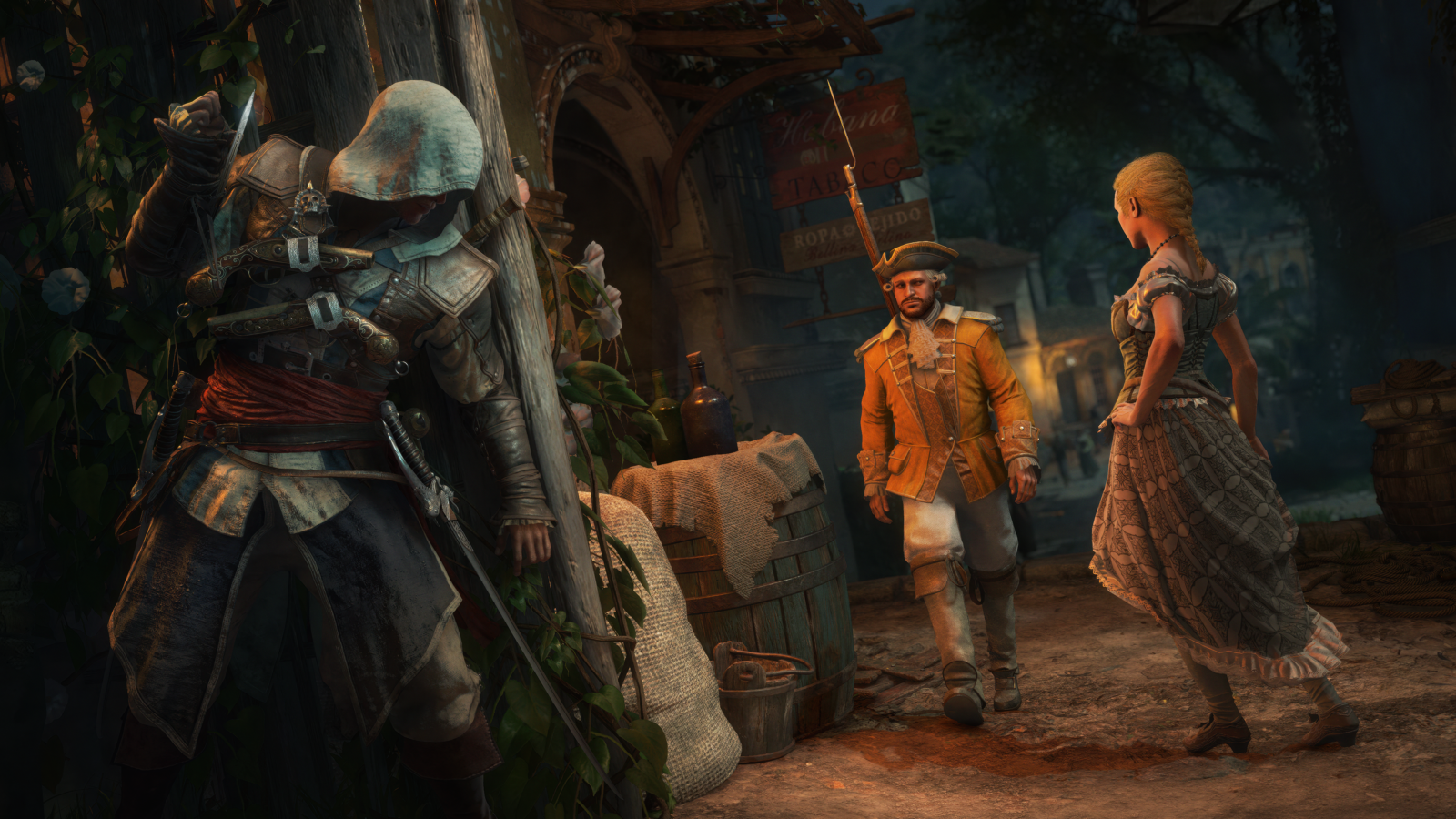
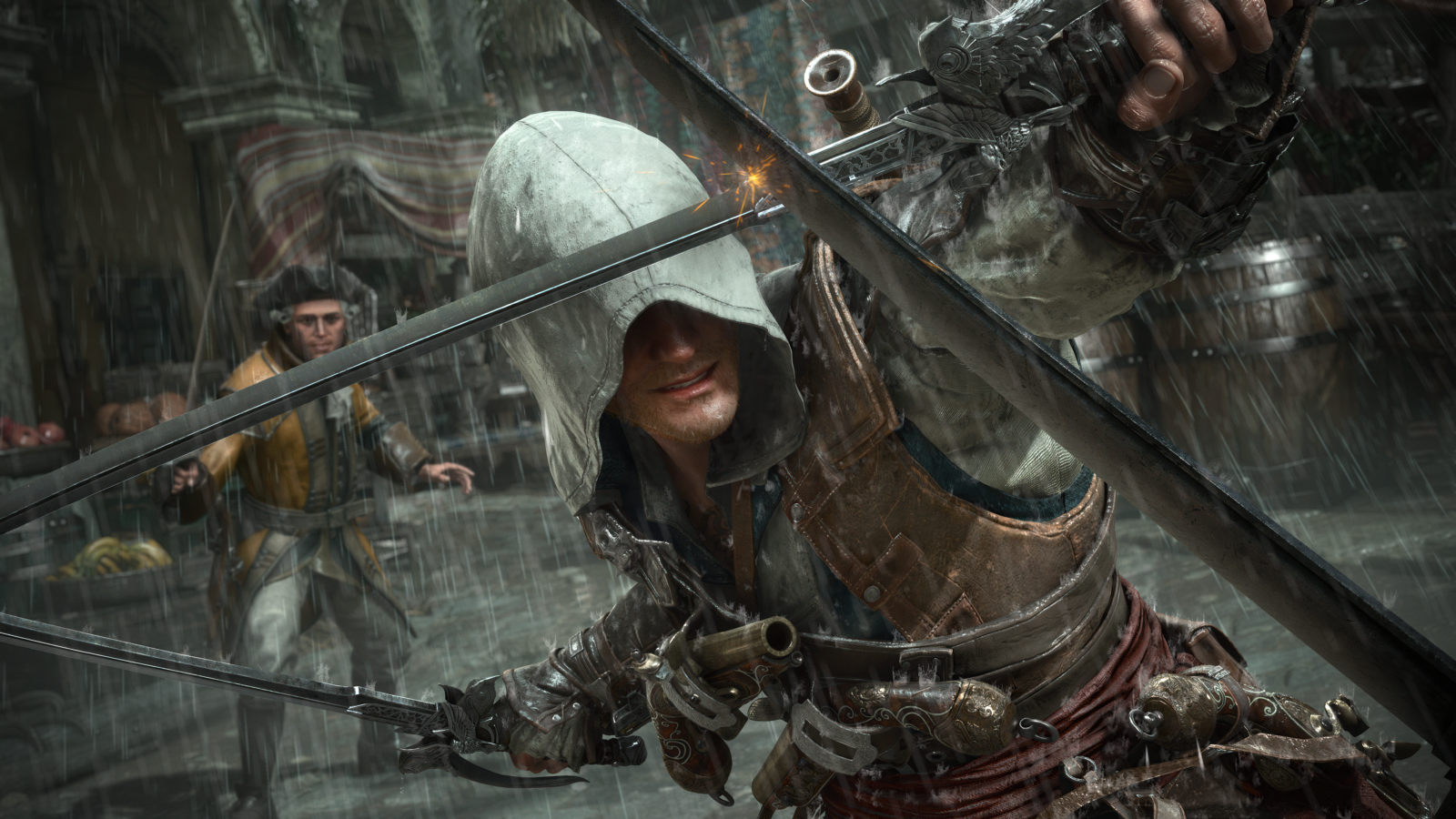
Stealth has received the biggest overhaul in the remake and it shows. Edward can now crouch freely, making infiltration feel far more deliberate instead of relying entirely on environmental cover. Enemy detection is more readable, stealth indicators provide useful feedback, and many of the notorious instant-fail missions have been redesigned so being spotted naturally transitions into combat rather than forcing a restart. It’s a small change on paper, but it dramatically improves the pacing of several story missions.
The original relied heavily on waiting for counter prompts before instantly dispatching enemies. That system worked in 2013 but feels simplistic by today’s standards. Resynced introduces timing-based parries, improved hit detection, more impactful animations, and smoother dodging that rewards player skill without turning the game into a Soulslike experience. Combat is faster, heavier, and significantly more satisfying while remaining approachable.
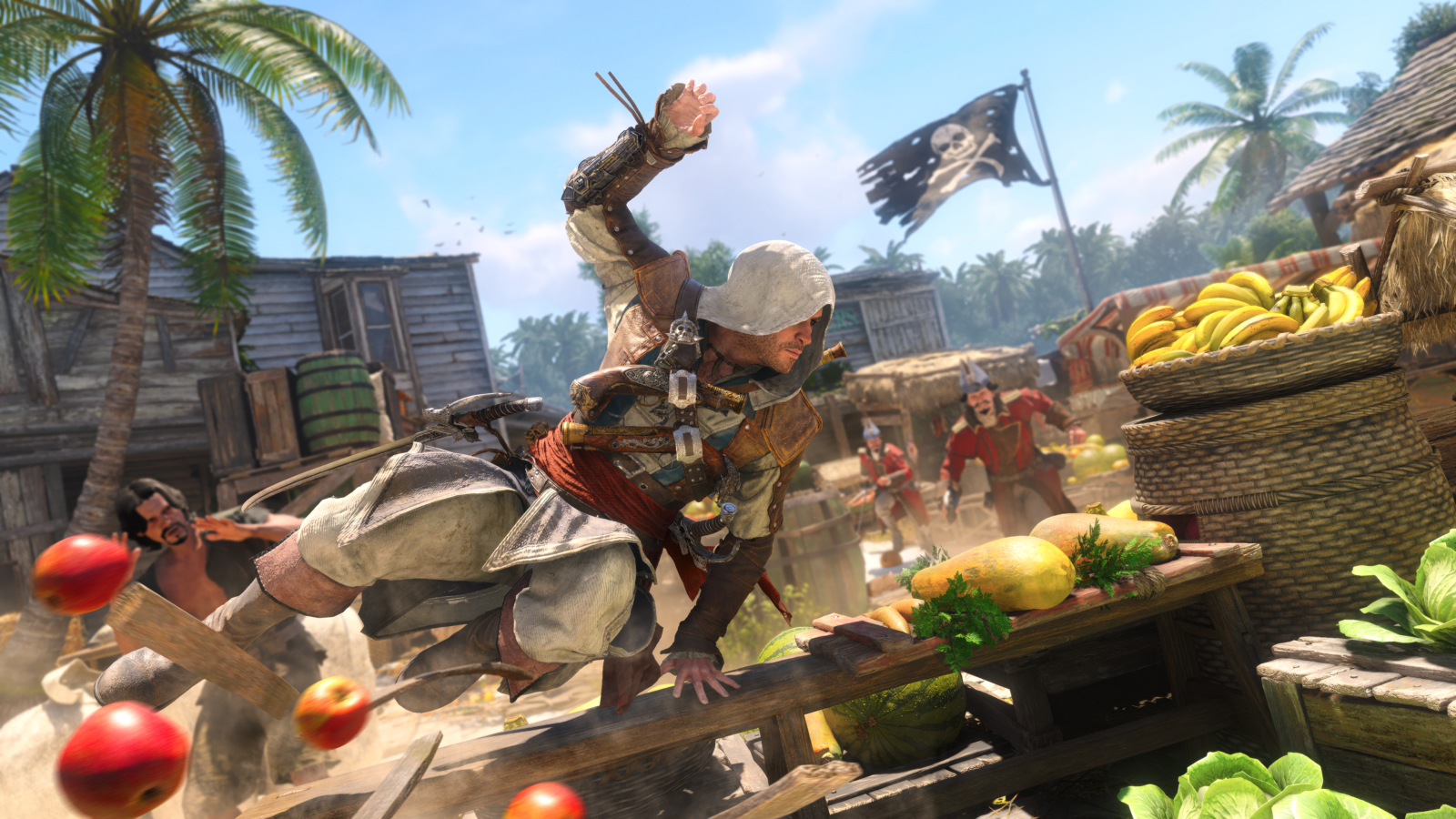
Parkour benefits from subtle refinements as well. Edward transitions between rooftops more fluidly, climbing animations are cleaner, and movement simply feels more responsive throughout the world. If there was ever any doubt, yes, naval combat is still the star of the show. The Jackdaw remains one of gaming’s greatest mechanics.
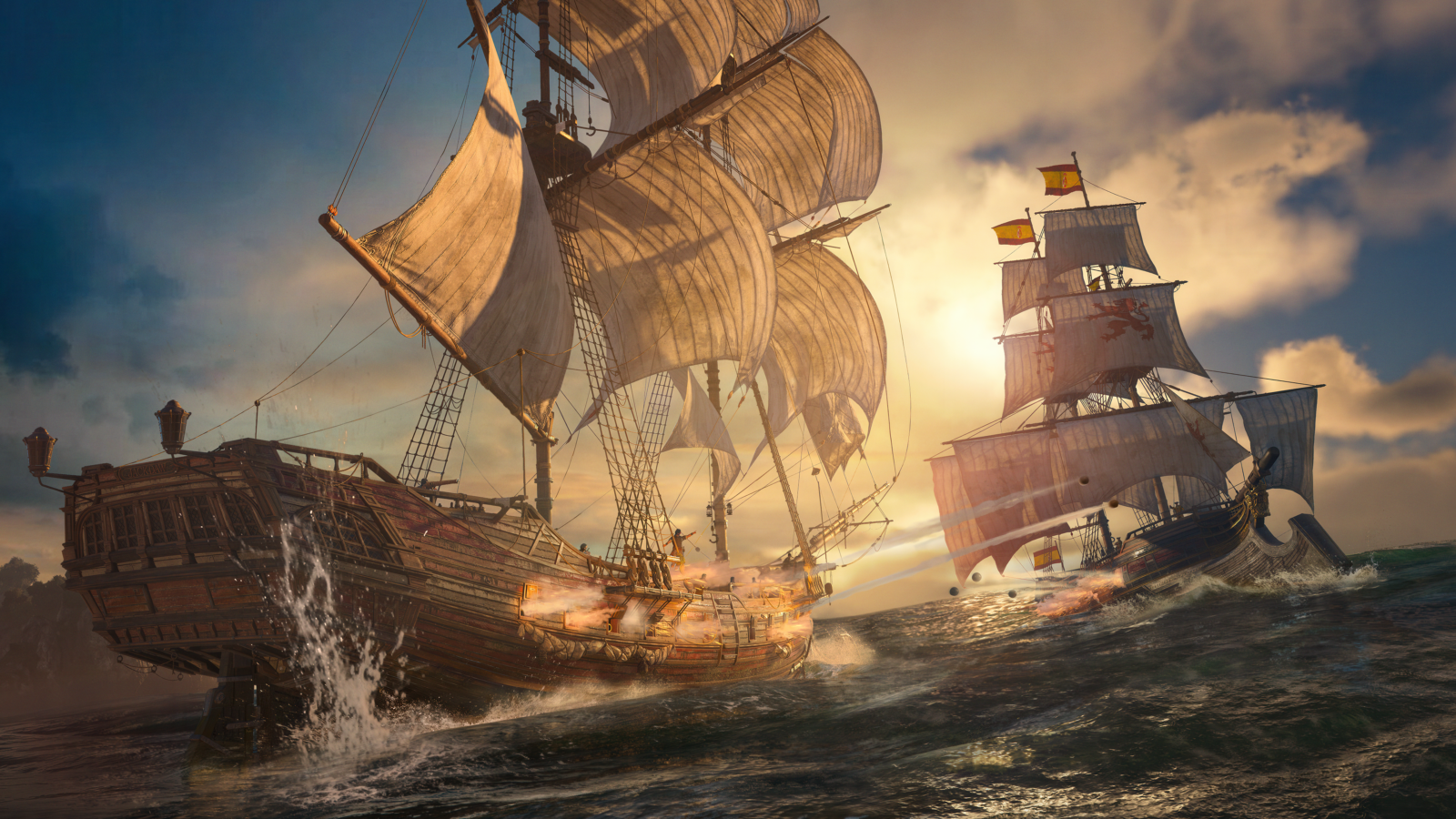
Broadside battles continue to deliver incredible spectacle, but Ubisoft has expanded ship combat with alternate ammunition options, improved enemy behaviour, and more strategic encounters that encourage movement instead of circling opponents repeatedly. Ship upgrades remain addictive, and upgrading the Jackdaw still creates one of the best progression loops in the series.
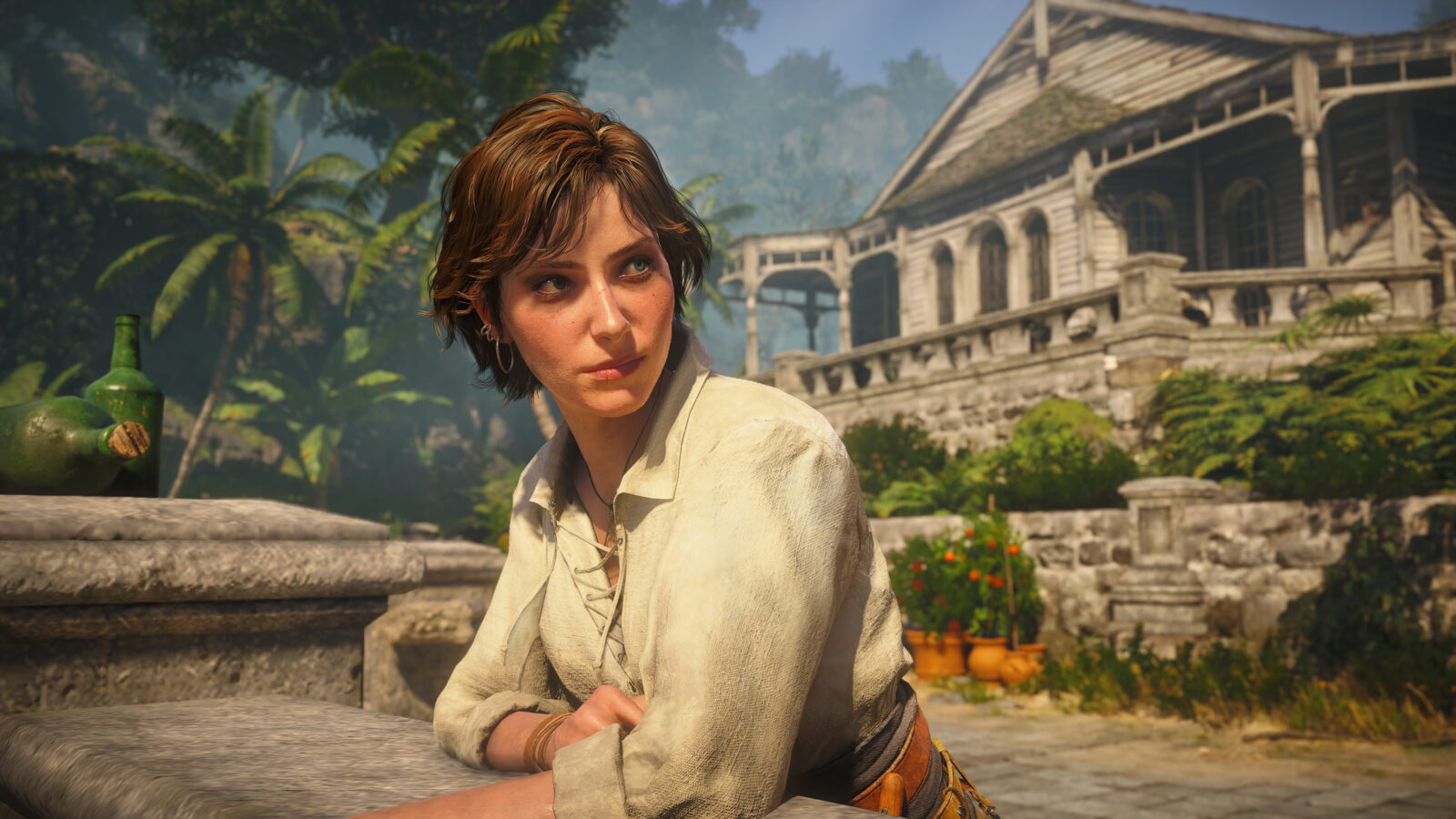
The remake also introduces recruitable officers who provide passive bonuses and new tactical options during naval gameplay. It’s not a revolutionary addition, but it gives players another incentive to explore beyond the main campaign. The sea itself also feels more alive. Wildlife, improved ocean physics, changing weather, and denser environmental detail make simply sailing between islands an experience rather than a commute.
One concern surrounding any remake is unnecessary additions. Rather than rewriting Edward’s story, Resynced expands around it with additional side missions, new collectibles, extra recruitable officers, and several new narrative moments that complement the original campaign instead of replacing it. These additions feel natural, rewarding returning players without compromising the pacing newcomers will experience.
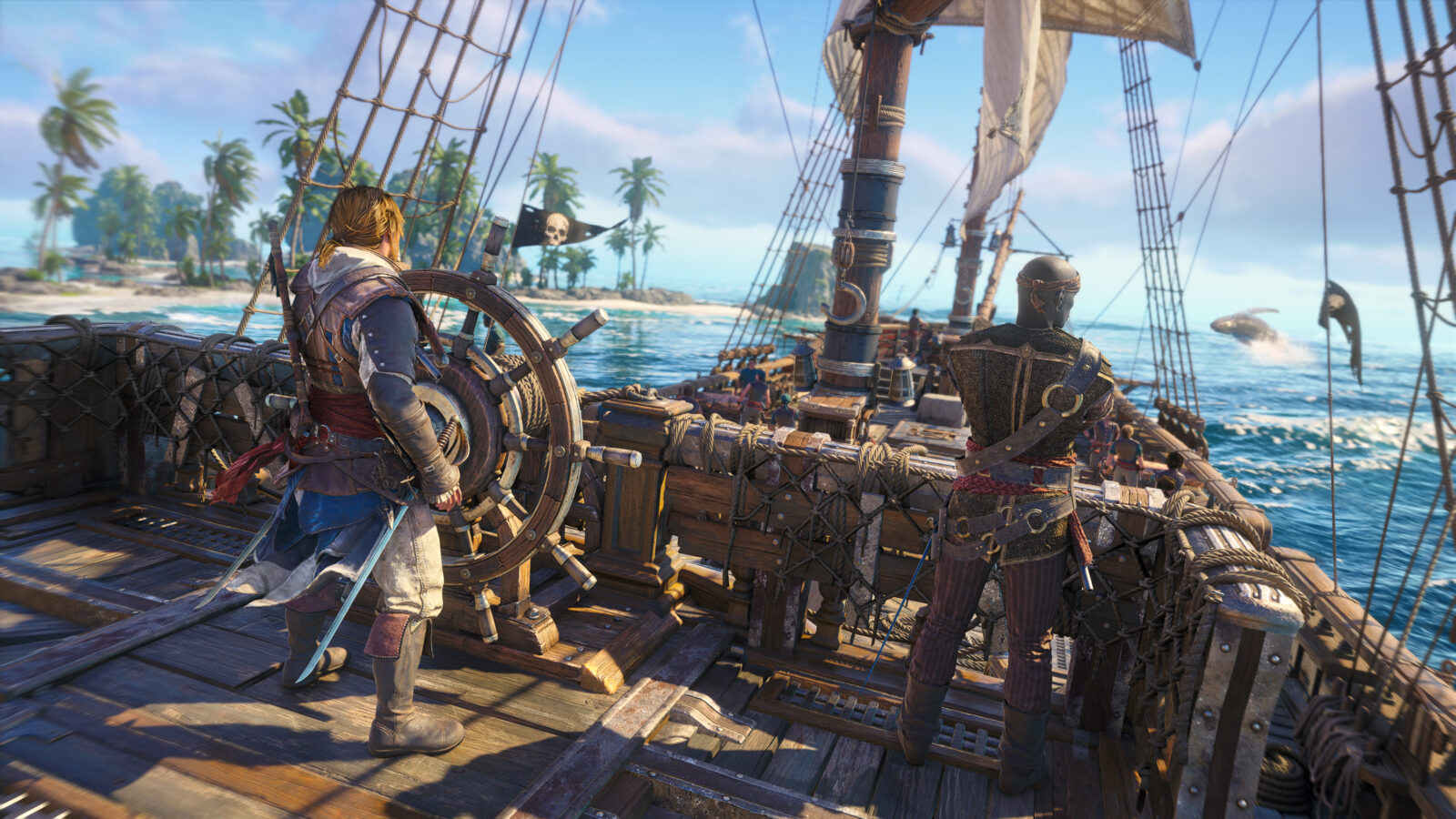
Importantly, Ubisoft resisted the temptation to turn Black Flag into another RPG. There are no level gates, gear score grinds, or endless loot systems. This remains an action-adventure game first, allowing the story and exploration to take centre stage. For players who miss the classic Assassin’s Creed formula, that decision alone is worth celebrating.
Despite all the improvements, Resynced can’t completely escape its origins. Guards still occasionally struggle to react intelligently, particularly during larger encounters, and certain mission structures clearly belong to a different era of game design. Some combat encounters can become repetitive during extended play sessions, especially once you’ve fully upgraded Edward’s abilities.
Veteran players will also recognise that this is a faithful remake rather than a complete reimagining. If you were hoping for entirely redesigned cities or a radically different campaign, you won’t find that here. Whether that’s a criticism depends entirely on what you wanted from the remake. For most fans, preserving Black Flag’s identity was the right decision.
Is the remake worth it ? That’s the biggest question surrounding Black Flag Resynced, and surprisingly, the answer isn’t the same for everyone.
If you’ve never played Assassin’s Creed IV: Black Flag, this is an easy recommendation. You’re getting what many still consider the best pirate game ever made, rebuilt from the ground up with modern visuals, refined combat, smarter stealth, expanded exploration, and roughly eight hours of new story content. The quality-of-life improvements alone make this the definitive version of Edward Kenway’s adventure.
If you played the original over a decade ago, there’s also a strong case for returning. Where the decision becomes harder is for players who revisit Black Flag every couple of years through the Xbox backward compatibility program or the PS4 version. The core experience remains largely the same. The islands are familiar, the missions follow the same structure, and Edward’s journey hasn’t been rewritten and yet it offers a genuine remake rather than a visual facelift.
Every environment has been rebuilt, animations have been modernized, systems have been refined, and there is meaningful new content to discover. Considering the dozens of hours most players will spend exploring the Caribbean, it delivers excellent value, especially for fans who get to experience one of Assassin’s Creed’s greatest stories. As well as those who will rediscover an old favourite that somehow aged better than you remembered.
Assassin’s Creed Black Flag Resynced succeeds because it understands why the original became one of Ubisoft’s most beloved games. It doesn’t try to reinvent Kenway’s journey. Instead, it removes many of the frustrations that have accumulated over thirteen years while enhancing nearly every technical aspect of the experience.
The visuals are stunning. Naval combat remains unmatched. Stealth finally feels modern, and the quality-of-life improvements make returning to the Caribbean an absolute joy. There are still traces of 2013 game design beneath the fresh coat of paint, but they’re no longer distracting enough to diminish the adventure.
After all, we all deserve to go on a voyage with Edward Kenway.