

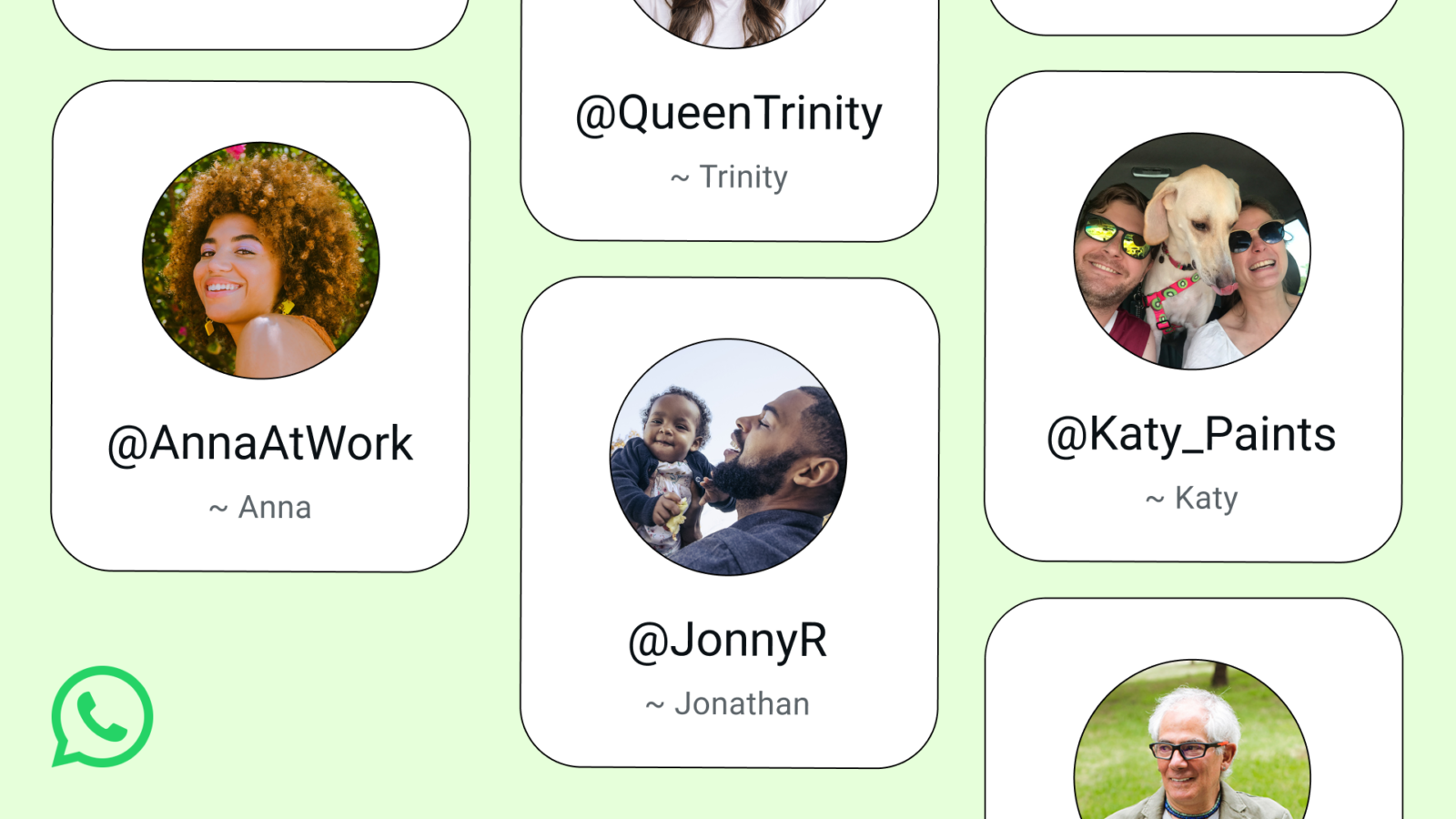
WhatsApp is opening username reservations this week ahead of a broader rollout planned for later in 2026. The change gives users and businesses a way to claim preferred handles before the system goes fully live, addressing the inevitable scramble for desirable names on a platform with over three billion monthly users. While the feature promises more privacy by letting people connect without immediately revealing their phone numbers, it also highlights ongoing tensions between convenience and control in mainstream messaging apps.
To reserve a username, the process is straightforward: head to Settings, select Account, and then Username. Users can enter their choice manually as long as it is available, or rely on an in-app generator for suggestions. For organizations, small businesses, and creators, the app allows claiming handles tied to existing Instagram or Facebook names where eligible. Reservations are expanding globally, with notifications alerting users when the option reaches their region. This early access window is pragmatic given the scale—popular combinations will vanish fast once the floodgates open.
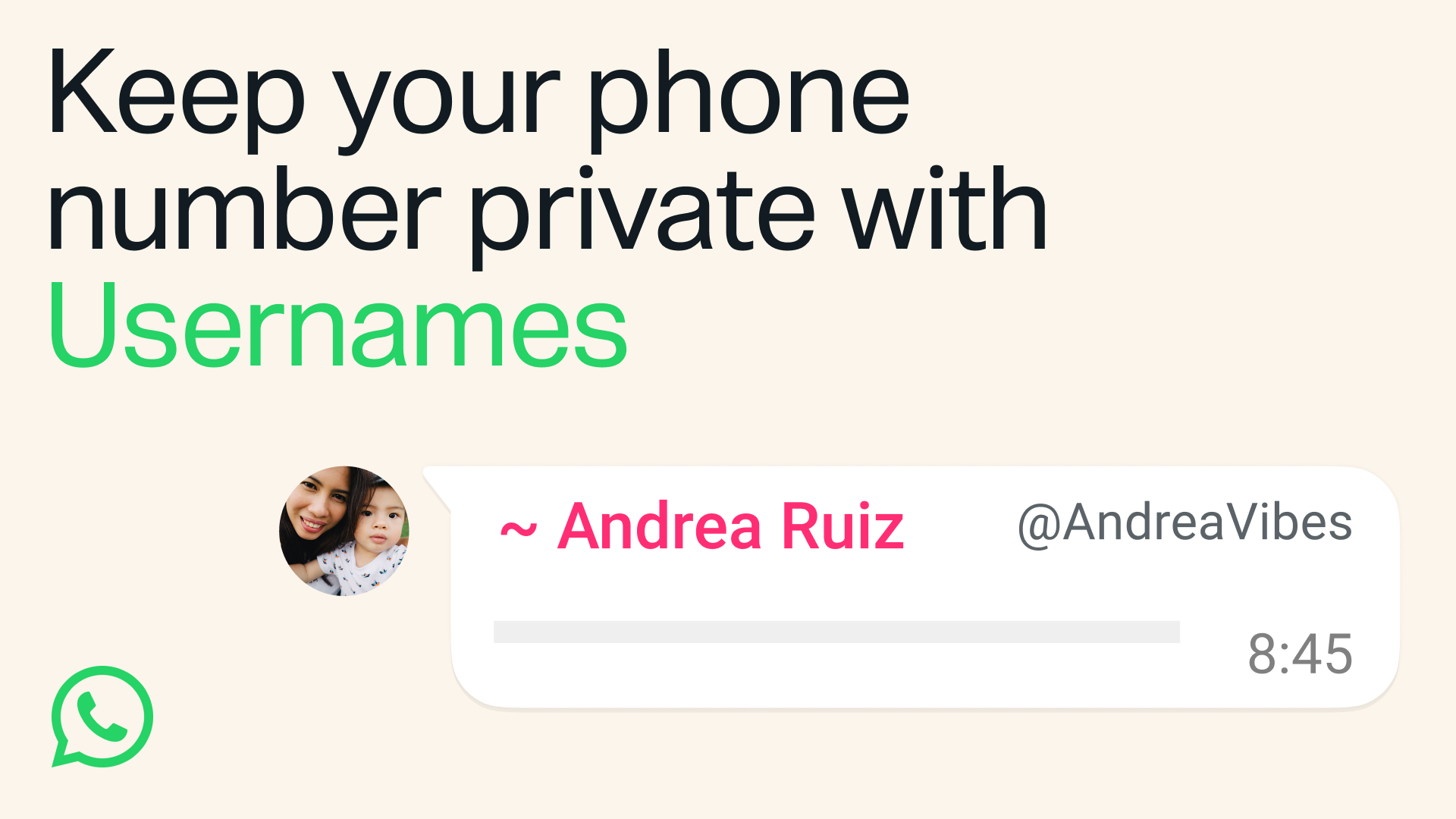
When the full username system activates in the coming months, new interactions will no longer expose phone numbers by default. Someone wanting to message you will need your exact username, and you can add an optional key for extra protection. During reservations, this key uses four digits; it will later support alphanumeric codes. The setup mirrors Signal’s introduction of usernames in 2024, which similarly aimed to decouple phone numbers from identity. Yet WhatsApp’s version lands in a different environment—one deeply integrated with Meta’s broader ecosystem, where data practices have faced repeated regulatory and public pushback.
On paper, the move improves user agency. Phone numbers have served as the default identifier for years, creating friction for casual or professional outreach and raising legitimate privacy issues around spam, harassment, or unwanted tracking. Hiding them behind usernames reduces some of that exposure without requiring users to create entirely new accounts. Businesses stand to gain cleaner, more brand-aligned contact points, potentially lowering barriers for customer service or marketing.
That said, the change is incremental rather than revolutionary. Phone numbers remain tied to account creation and recovery, meaning the underlying linkage to real-world identity persists. Existing contacts will likely continue seeing your number, and the optional key introduces another piece of information to manage and share. For users already wary of Meta’s data footprint, this does not fundamentally alter the platform’s transparency or independence from the company’s advertising-driven model. Compared to privacy-focused alternatives that built numberless communication from the ground up, WhatsApp’s approach feels like a measured concession rather than a bold redesign.
The timing also reflects competitive pressure. As users grow more conscious of how their contact details circulate across apps, platforms must adapt or risk losing ground to tools that prioritize anonymity by default. Reservations help distribute access more fairly, but they cannot eliminate squatting, impersonation risks, or the eventual scarcity of short, memorable handles.