

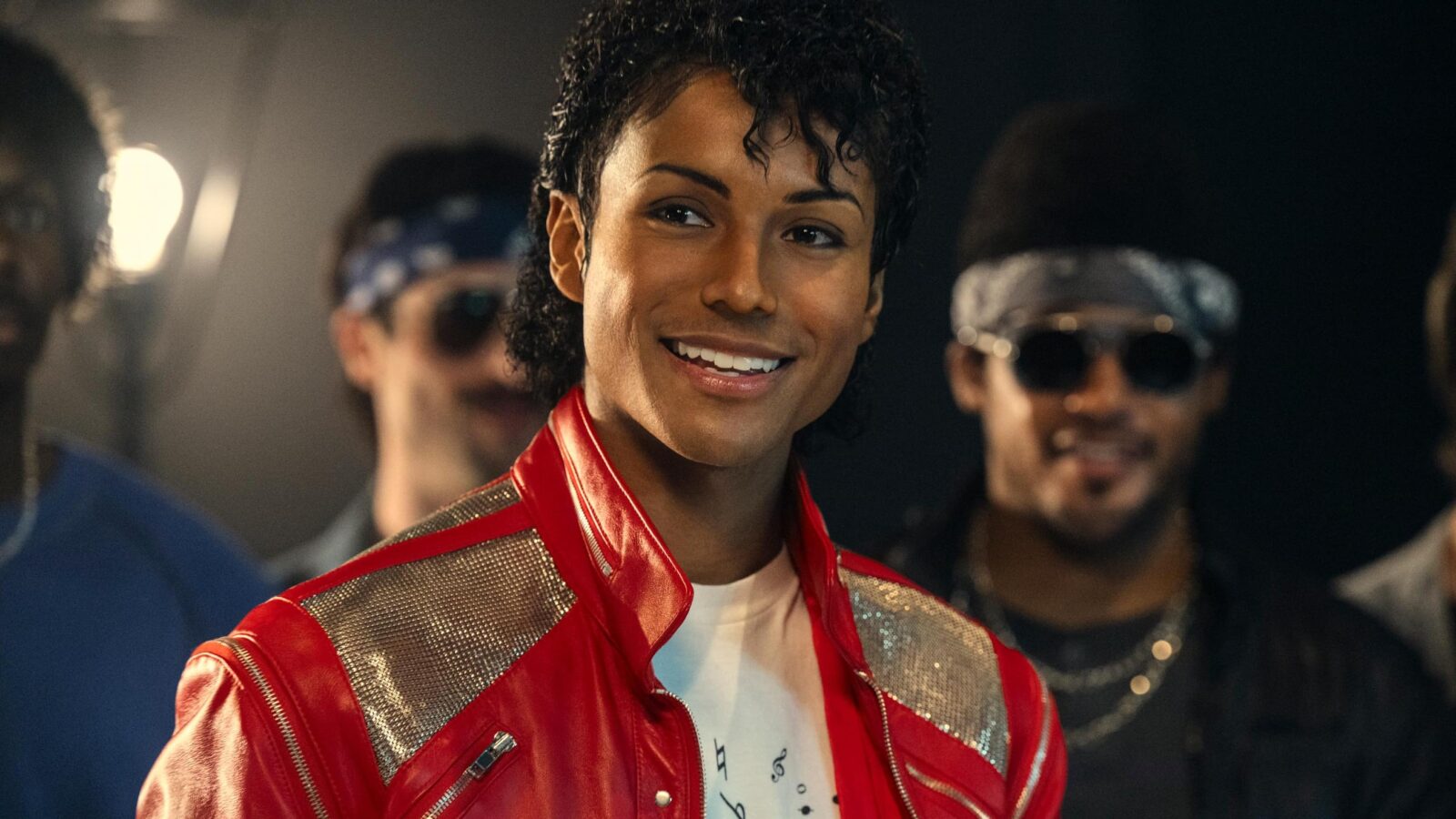
The Michael Jackson biopic has achieved significant commercial success at the global box office, surpassing previous records for the genre despite substantial controversy surrounding its handling of longstanding allegations of child sexual abuse. Directed by Antoine Fuqua and released on April 24, the film stars Jaafar Jackson as the pop icon and has drawn criticism for what many view as a sanitized portrayal that downplays or omits key aspects of Jackson’s legacy. Nevertheless, audience turnout has propelled it past major benchmarks.
As of its tenth weekend, the movie is projected to reach approximately $977 million worldwide, with $370 million domestically and over $607 million internationally. This total edges out Christopher Nolan’s Oppenheimer, making Michael the highest-grossing biopic to date without inflation adjustment. It also overtakes Bohemian Rhapsody’s $911 million haul to claim the top spot among music biopics. Additional markets, including a recent debut in Japan, could push it toward or beyond the $1 billion mark, though such milestones remain rare for the biographical format.
The performance stands out when compared to other entries in the category. Michael has outearned the combined totals of notable predecessors like Elvis, Straight Outta Compton, Rocketman, and Walk the Line. With a reported production budget nearing $200 million, the film represents a strong financial return for Lionsgate, which often mitigates risk through international pre-sales, likely lowering the effective break-even threshold considerably below typical blockbuster levels. Its continued theatrical draw, even as it becomes available on demand in the US, highlights sustained public interest.
Yet the success arrives with notable caveats. Critics assigned the film a low 38% on Rotten Tomatoes, pointing to narrative shortcomings and uneven execution. The decision to prioritize spectacle and musical sequences over a fuller reckoning with Jackson’s documented controversies has fueled debates about biographical responsibility in cinema. Such choices may have limited broader appeal or critical acclaim, potentially capping its ceiling despite strong opening numbers and cultural nostalgia. Music biopics have long proven resilient at the box office by leveraging familiar hits and emotional storytelling, but Michael’s path underscores how audience appetite can diverge sharply from reviewer consensus.
In the wider landscape of Hollywood output, this outcome reflects the enduring power of iconic figures to mobilize viewers, even amid polarized discourse. While the film’s commercial dominance affirms Jackson’s lasting cultural footprint, it also prompts reflection on what stories get told and how selectively. For a genre often criticized for formulaic approaches, Michael’s record run suggests that star power and soundtrack nostalgia can overcome substantial external baggage, though it leaves open questions about the long-term cultural conversation it fosters. The biopic’s trajectory serves as a reminder of the tension between entertainment value and historical accountability in mainstream filmmaking.