
As the FIFA World Cup 2026 approaches, social media platforms are implementing additional safeguards to address scams and online abuse targeting fans and players. With millions expected to engage through apps for match updates, ticket discussions, and fan interactions, the risk of fraud and harassment remains a persistent challenge during major sporting events.
Efforts to combat scams focus on monitoring and disruption. Global tournaments often see spikes in ticketing fraud, fake immigration services, and misleading travel offers. Platforms have invested in AI detection tools and collaborate with law enforcement and financial partners to identify suspicious networks. One example involved dismantling a group of spoofed sites mimicking official tournament branding to promote fake gambling schemes that sought personal and financial details. Cross-industry information sharing, such as through programs like the Global Signal Exchange, helps trace these operations beyond single platforms. While these steps show proactive intent, scammers continually adapt, raising questions about whether technical measures alone can fully contain the problem.
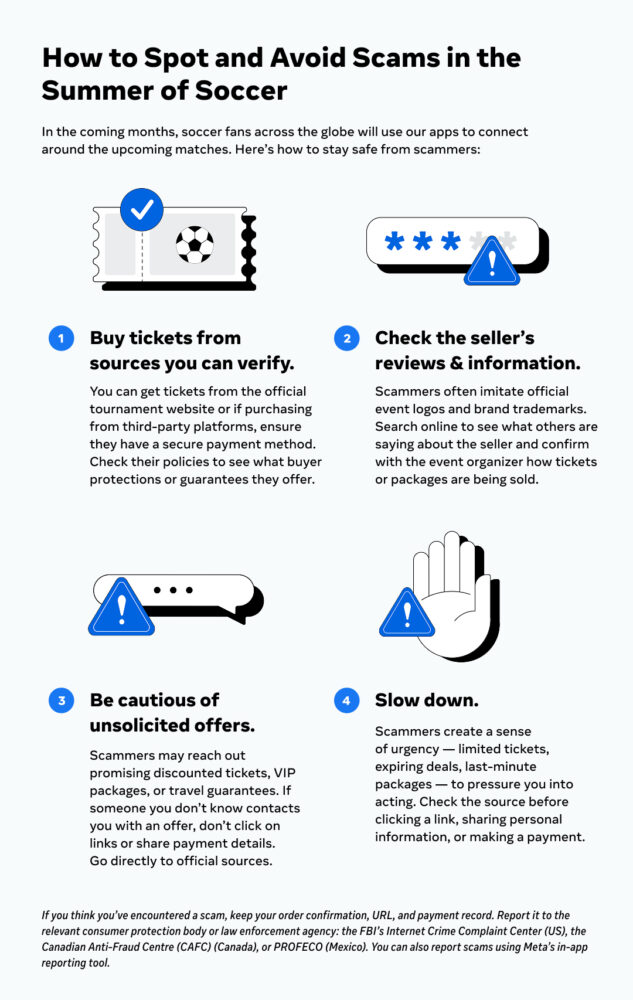
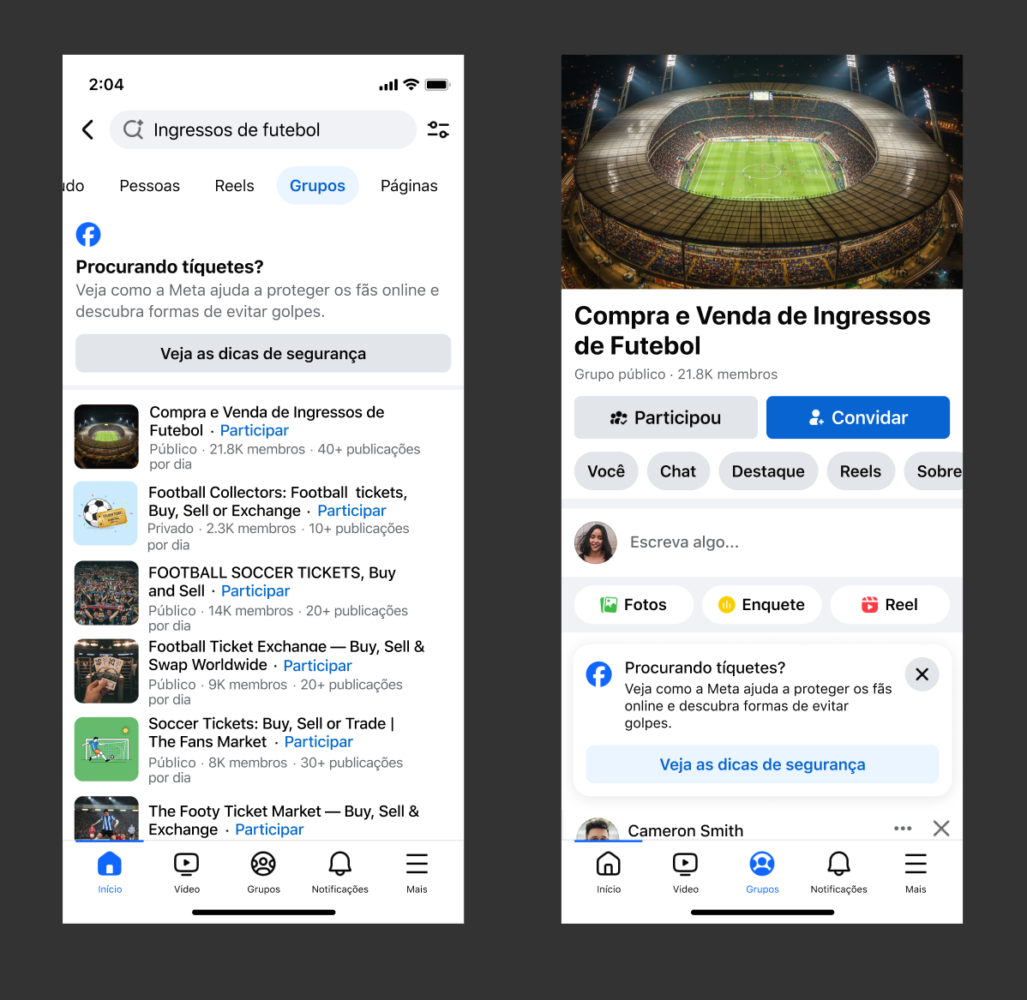
Consumer education forms another key part of the approach. Starting in early June 2026, users searching for FIFA World Cup 2026 tickets on Facebook or browsing related groups will encounter reminders about verifying sources before purchase, along with direct links to reporting tools for suspicious activity. Partnerships with organizations like Canada’s Anti-Fraud Centre and Mexico’s Consumer Protection Agency support broader awareness campaigns, including creator-led content highlighting common pitfalls such as impersonation scams. These initiatives aim to equip fans with practical knowledge, though their effectiveness will depend on how widely the messages reach casual users swept up in tournament excitement.
On the abuse front, rules prohibiting bullying, harassment, and hateful conduct are enforced through a combination of user reports and automated systems. Recent data indicates that between October and December 2025, millions of violating pieces of content were removed across Facebook and Instagram, with a significant portion detected proactively. Engagement with players, teams, and associations helps refine these policies, but past World Cups have shown that high-profile events often amplify toxic behavior, from coordinated attacks on athletes to fan-on-fan hostility.
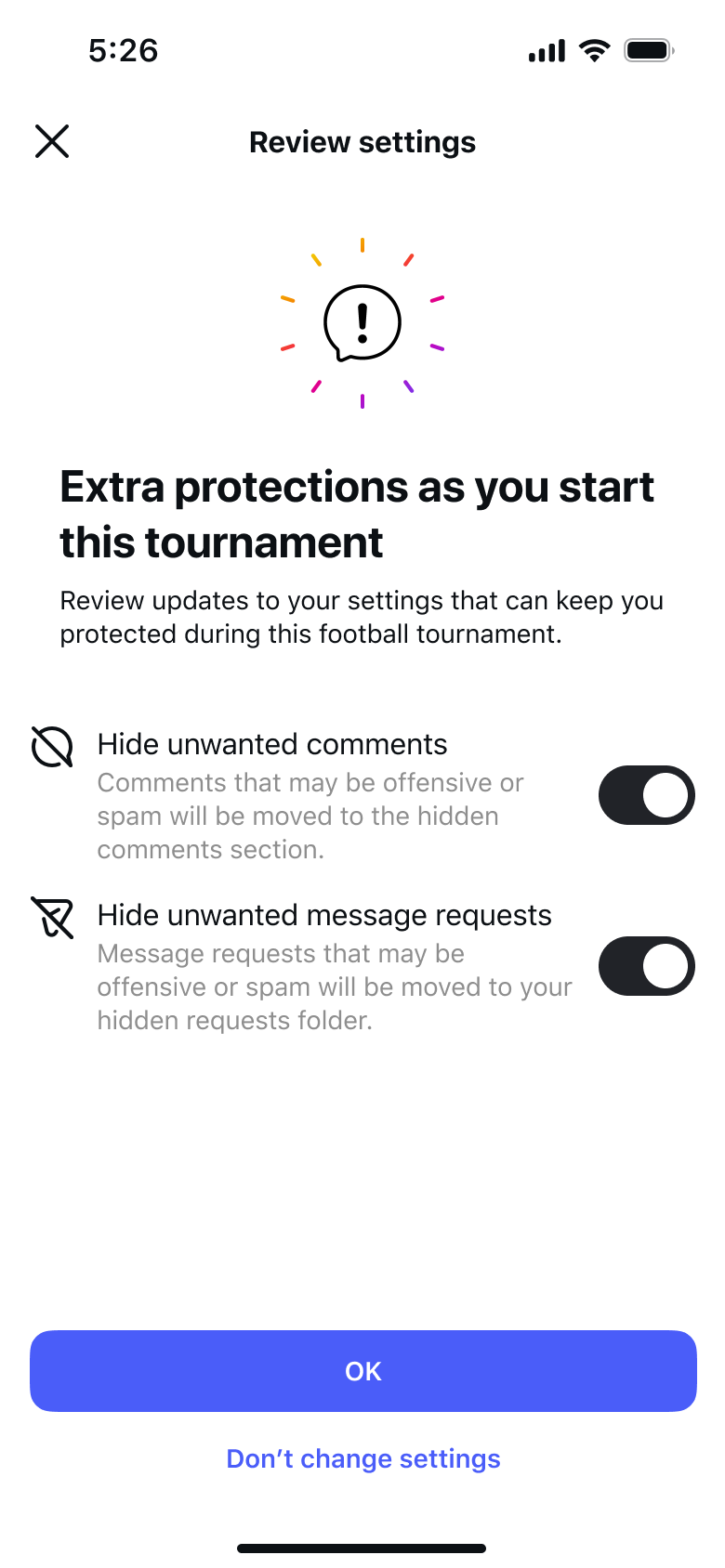
Newer features provide users with more control. Tools like Hidden Words filter offensive language in comments and messages, while Limit Interactions temporarily reduces unwanted contact from non-followers during peak periods. Additional options include restricting direct messages and automated comment moderation for professional accounts. Public figures can balance accessibility with protection, though the tension between open engagement and safety remains difficult to resolve completely. Nudges encouraging users to reconsider potentially harmful posts represent a softer approach to behavior change.
Overall, these measures reflect an ongoing evolution in how platforms handle the darker side of large-scale events. Historical patterns from previous tournaments suggest that while technology and partnerships can reduce risks, complete elimination of scams and abuse is unlikely. Success during FIFA World Cup 2026 will ultimately hinge on user vigilance alongside platform enforcement. As fans prepare to connect and celebrate, awareness of these protections—and their limitations—remains essential for a safer experience.