
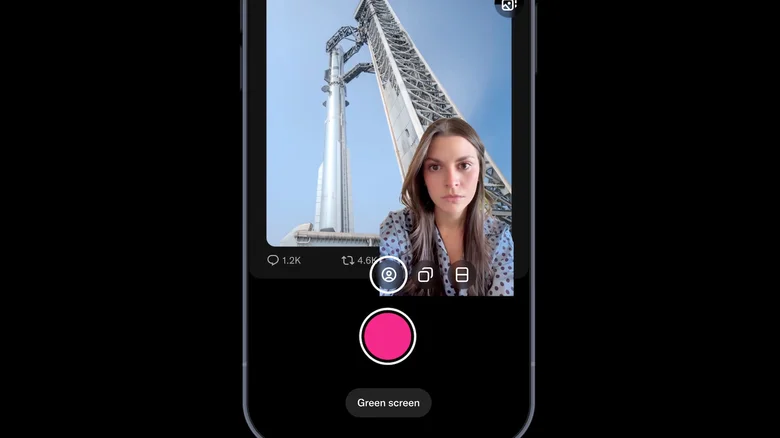
X has introduced a new feature called React with Video, allowing users to record short video responses to existing posts that appear either in a split-screen format or superimposed over the original content. Positioned as an alternative to traditional reposts or quote posts, the tool draws clear inspiration from TikTok’s reaction video format, which has been a core part of that platform’s experience since around 2021. For now, the capability is limited to iOS devices, with rollout to Android and the web version expected soon.
This addition fits into a pattern of X experimenting with short-form video and interactive elements as it seeks to evolve beyond its text-first roots. The platform has rolled out other recent updates, including custom timelines and a feature to temporarily snooze specific topics for up to 24 hours. Yet these changes come alongside notable reductions in functionality. The company recently discontinued its Communities feature, which struggled to gain traction, and imposed stricter limits on free accounts, capping them at 50 posts per day and 200 replies—down significantly from previous allowances. Such restrictions have drawn criticism for diminishing the platform’s accessibility for non-paying users.
Commentary is one of the most important pillars of X. And sometimes the best way to share your thoughts is with video.
— Nikita Bier (@nikitabier) June 2, 2026
Today we're launching a whole new way to make them:
React with Video
Tap the repost button and start recording with green screen, split screen, or… pic.twitter.com/iF3f8wctbK
The appeal of video reactions may vary widely depending on one’s experience with X. On TikTok, carefully tuned algorithms often surface relevant or entertaining responses within niche communities. On X, however, the feature risks amplifying unfiltered commentary from a broader, more polarized user base, where verified accounts and algorithmic promotion can elevate marginal voices. This raises practical concerns about content quality and the potential for reaction videos to escalate rather than clarify discussions on complex or contentious topics.
Social media platforms have long borrowed mechanics from one another in pursuit of engagement, but execution matters. TikTok’s strength lies in its seamless integration of music, effects, and discovery tools, which help reaction content feel dynamic. X’s version, at least initially, appears more straightforward, potentially serving as a quick way to respond but lacking the same production polish or algorithmic finesse. Early adoption will likely reveal whether it enhances meaningful exchange or simply adds to the noise that already challenges the platform’s usability.
Broader context shows X navigating a difficult balance. After rebranding from Twitter and shifting priorities under new ownership, the service continues tweaking features to retain relevance amid competition from established video apps and emerging alternatives. While video reactions could encourage more creative participation, they also reflect ongoing pressure to mimic successful formats rather than innovate independently. For users, the real test will be whether these tools improve daily interactions or contribute to further fragmentation of the feed. As with many platform updates, the outcome depends less on the technology itself and more on how the community and algorithms shape its use over time.